
Conditions Treated by SoftWave Therapy
Wondering whether SoftWave Therapy could help with your pain or injury? At Simply Well Chiropractic, we use this non-invasive treatment as part of personalized care plans for patients dealing with chronic pain, sports injuries, inflammation, and mobility-related concerns. In this guide, we’ll explore the conditions treated by SoftWave Therapy, how the treatment works, and whether it may be a helpful option for your specific needs.
Conditions Treated by SoftWave Therapy in Cincinnati
SoftWave Therapy is most often considered for persistent musculoskeletal pain, tendon-related conditions, joint discomfort, and certain soft-tissue injuries that have not improved as expected with rest, stretching, exercise, or other conservative care.
At Simply Well Chiropractic, we begin with an evaluation rather than assuming that every painful area needs the same treatment. For example, heel pain may involve the plantar fascia, a tendon, a nerve, or—in some cases—a stress injury. The right diagnosis matters before choosing a treatment plan.
Use the categories below to find the body area or condition that best matches your symptoms. Each page provides more detailed information about common symptoms, potential causes, whether SoftWave may be considered, and when another type of evaluation may be appropriate.
Foot and Ankle Conditions
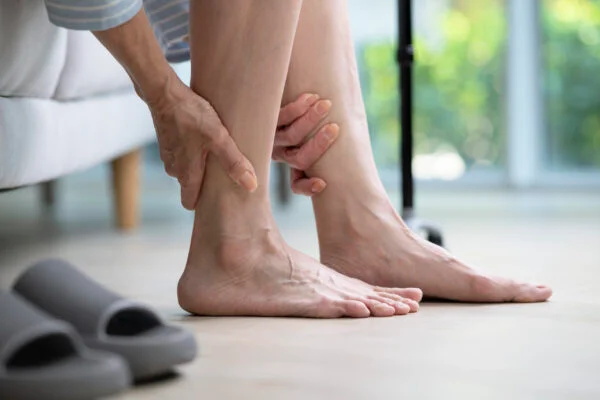
Foot and ankle pain can make every step uncomfortable, especially for runners, walkers, and people who stand for work. SoftWave Therapy is frequently used for:
- Ankle sprains (acute & chronic instability)
- Plantar Fasciitis (Heel Pain)
- Achilles Tendinitis
- Chronic heel pain
- Heel spurs
- Foot tendonitis
- Ligament sprains (ankle, midfoot)
- Foot Arthritis
- Stress fractures in the foot
SoftWave’s broad‑focused acoustic waves can reach deep into the fascia and tendon tissue, increasing circulation and stimulating healing in areas that have been irritated for months or even years.
Knee Pain and Overuse Injuries
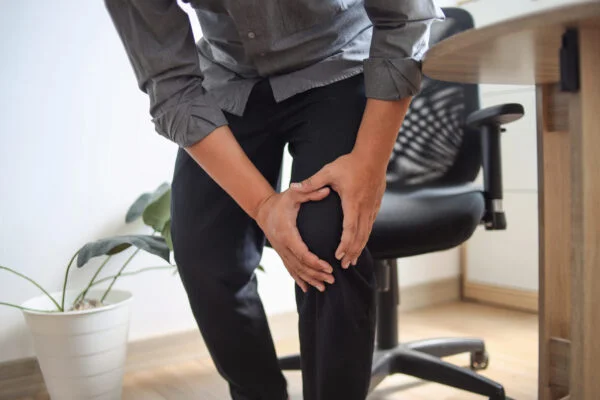
Knee pain is one of the most common reasons patients seek SoftWave Therapy in Cincinnati. We often use it for:
- Patellar tendinitis (Jumper’s knee)
- Runner’s Knee
- ACL/MCL/LCL injuries
- Repetitive strain injuries
- Chronic knee instability
- Post-surgical knee pain and stiffness
- Knee Arthritis
- Knee Bursitis
- IT band syndrome
By delivering focused sound waves around the patellar tendon and surrounding structures, SoftWave can help reduce pain, improve mobility, and support a more active lifestyle.
Hip and Pelvic Pain
Hip and outer‑hip pain can be especially stubborn because the joint is deep and under constant load. SoftWave may be appropriate for:
- Hip bursitis
- Hip flexor issues
- Gluteus tendinopathy
- Piriformis syndrome
- Sciatica
- Post-surgical hip pain and stiffness
- Running-related hip pain
- Chronic hip instability
- Hip Osteoarthritis
The deep‑penetrating acoustic waves help reduce irritation in the tendons and soft tissues along the outer hip, making walking, climbing stairs, and sleeping more comfortable.
Shoulder Conditions
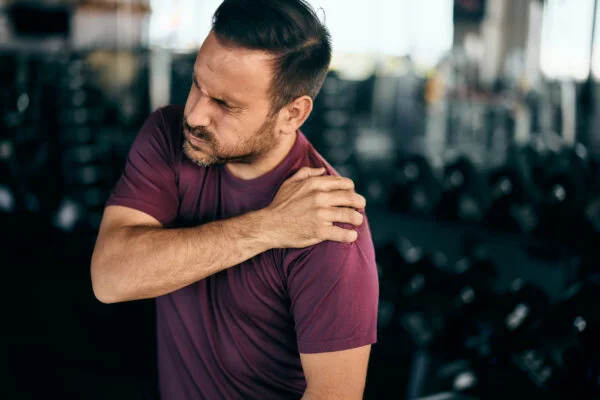
SoftWave Therapy can be a helpful option for many shoulder issues, particularly when pain has lingered despite rest or basic care. At our Cincinnati clinic, we commonly treat:
- Rotator cuff injuries
- Frozen shoulder
- Shoulder impingement syndrome
- Shoulder arthritis
- Shoulder bursitis
- Shoulder instability
- Deltoid strain
- Pectoralis minor strain
- Throwing-related shoulder pain
- Chronic shoulder pain
- Post-surgical shoulder pain and stiffness
By improving blood flow and stimulating repair in the rotator cuff and surrounding soft tissues, SoftWave may help reduce pain that limits reaching, lifting, or sleeping on your side.
Neuropathy and Nerve‑Related Symptoms
Neuropathy can cause burning, tingling, numbness, or “pins and needles” in the feet, legs, or hands that make walking and sleeping more difficult. SoftWave Therapy is sometimes used for:
- Diabetic peripheral neuropathy
- Idiopathic peripheral neuropathy
- Chemotherapy-induced peripheral neuropathy
- Sciatica
- Carpal tunnel syndrome
SoftWave is not a cure for all forms of nerve damage, but by improving local blood flow and reducing soft tissue irritation, it may help decrease symptoms and improve comfort as part of a broader neuropathy treatment plan.
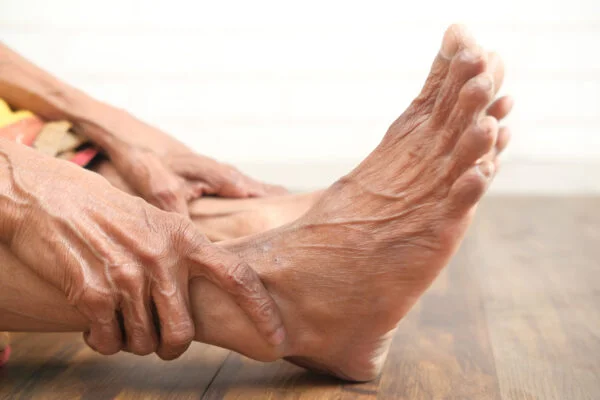

back Pain
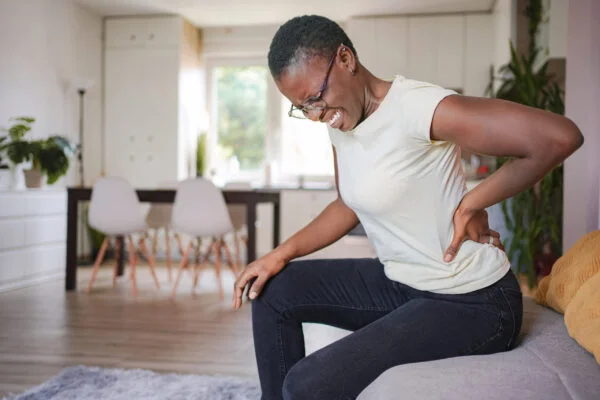
SoftWave is not a replacement for spinal surgery or emergency care, but it may help with certain soft‑tissue‑driven back and neck problems. In combination with chiropractic care and rehabilitative exercise, we may use SoftWave for:
- Chronic low back pain
- Herniated or bulging discs
- Sciatica
- Muscle spasms
- Spinal osteoarthritis
- Stenosis
- Spondylosis
By improving circulation and reducing chronic muscle tension, SoftWave can support better mobility and comfort for day‑to‑day movement.
Sports Injuries and Overuse Conditions
Many Cincinnati athletes and active adults seek SoftWave Therapy when their injuries simply are not healing on their own. Common sports‑related uses include
- Strains and sprains
- Stress Fractures
- Tendonitis
- Patellar tendinitis (Jumper’s knee)
- Rotator cuff Injuries
- Tennis elbow
- IT band syndrome
- Shin splints (medial tibial stress syndrome)
- Ankle sprains (acute & chronic)
- Runner’s knee (patellofemoral pain syndrome)
- Surgical recovery
SoftWave’s ability to stimulate tissue repair makes it a strong option when you have already tried rest, stretching, or basic care but still cannot get back to your normal level of performance.
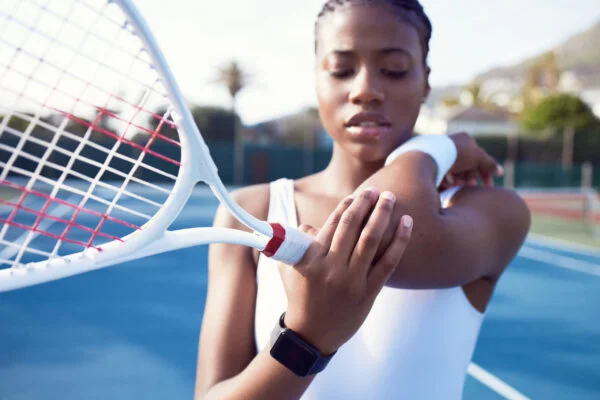
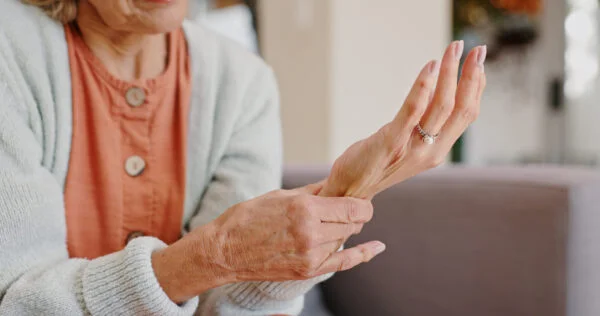
Arthritis‑Related Joint Pain
Arthritis can make everyday movements—like walking, climbing stairs, or getting out of a chair—feel stiff, achy, and limiting. SoftWave Therapy is often used for:
- Knee osteoarthritis
- Hip osteoarthritis
- Shoulder osteoarthritis
- Lumbar spine arthritis
- Cervical spine arthritis
- Ankle osteoarthritis
- Facet joint arthritis
- Thumb CMC arthritis
- First MTP (big toe) arthritis
- Wrist osteoarthritis
- Hand/finger arthritis
While SoftWave does not “cure” arthritis, shockwave‑type treatments have been shown to reduce pain and improve function by calming irritated soft tissues around arthritic joints and supporting better mobility when combined with other conservative care.
Elbow Pain
Elbow pain often develops from repetitive motions at work, in sports, or during daily activities that strain the tendons around the joint. SoftWave Therapy is often used for:
- Tennis elbow (lateral epicondylitis)
- Golfer’s elbow (medial epicondylitis)
- Triceps tendinitis
- Biceps tendinitis (distal)
- Radial tunnel syndrome
- Elbow ligament sprains (UCL, RCL)
- Post-surgical elbow pain & stiffness
By delivering acoustic waves into the irritated tissues, SoftWave can help reduce pain, improve circulation, and support tendon healing, especially when symptoms have not responded well to rest, bracing, or traditional conservative care.
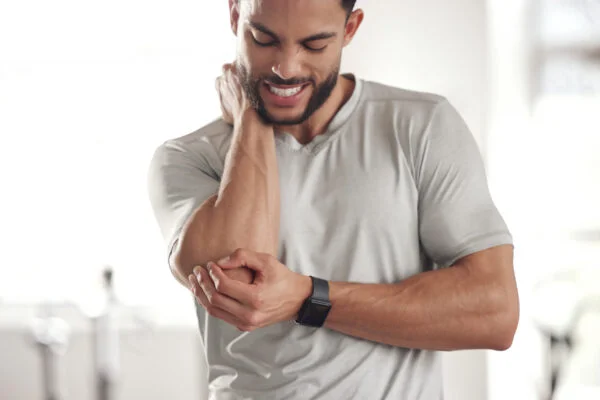
Leg Pain
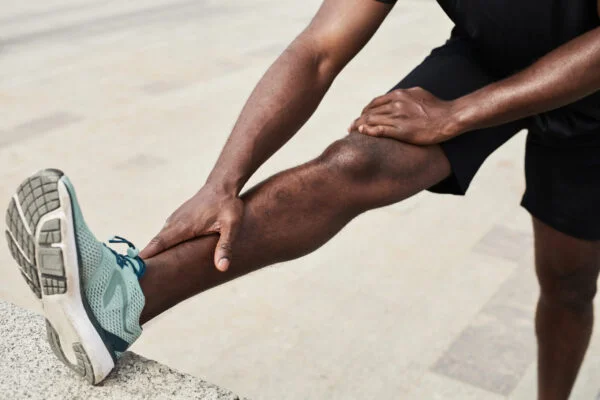
Leg pain can come from overuse, sports injuries, or chronic conditions that make standing, walking, or going up and down stairs uncomfortable. SoftWave Therapy is often used for:
- Sciatica (lumbar radiculopathy)
- Hamstring strains
- IT band syndrome
- Shin splints (medial tibial stress syndrome)
- Achilles tendinitis / tendinosis
- Quadriceps tendinitis / strain
- Patellar tendinitis (Jumper’s knee)
- Hip flexor tendinitis / strain
- Calf strains (gastrocnemius/soleus)
- Restless Leg Syndrome
By delivering acoustic waves into irritated muscles and tendons, SoftWave can help reduce pain, improve circulation, and support tissue healing, especially when leg pain has lingered despite rest, stretching, or traditional conservative care.
wrist and hand Pain
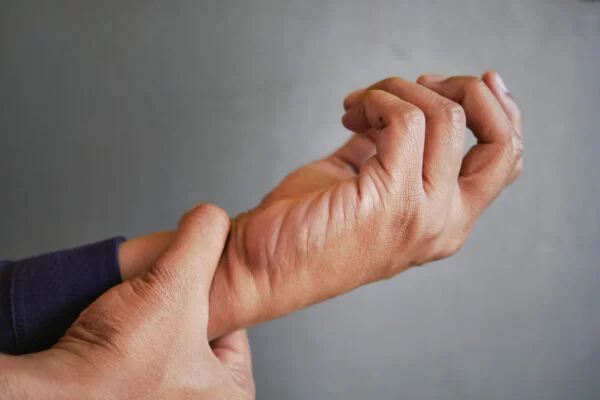
Wrist and hand pain can develop from typing, gripping, lifting, or repetitive tasks that strain the small joints and tendons in these areas. SoftWave Therapy is often used for:
- Carpal tunnel syndrome
- De Quervain’s Tenosynovitis
- Wrist Sprain
- Trigger Finger (Stenosing Tenosynovitis)
- Mallet Finger (Baseball Finger)
- Dupuytren’s Contracture
- Thumb Sprain
By delivering acoustic waves into the irritated soft tissues, SoftWave can help reduce pain, improve circulation, and support healing in the tendons and surrounding structures, especially when symptoms have persisted despite rest, bracing, or other conservative care.
Who Is a Good Candidate for SoftWave Therapy?
You may be a good candidate for SoftWave Therapy in Cincinnati if you:
- Have pain lasting longer than a few weeks that interferes with work, exercise, or daily life
- Have tried rest, medications, injections, or traditional physical therapy without lasting results
- Want to avoid or delay surgery if a conservative, evidence‑informed option is available
- Prefer drug‑free, non‑invasive care that supports actual tissue healing
During your visit, we will review your health history, perform a focused exam of the painful area, and let you know whether SoftWave Therapy is appropriate or whether another approach would be safer or more effective for your specific situation.
Effortless, comfortable treatment delivering remarkable results.
Painless Treatments
No Daily Medications
Zero Risk Of Infection
No Downtime After Treatments
What to Expect During a SoftWave Therapy Session
A typical SoftWave Therapy visit at Simply Well Chiropractic is straightforward and comfortable:
- Brief consultation and exam to confirm the treatment area and goals.
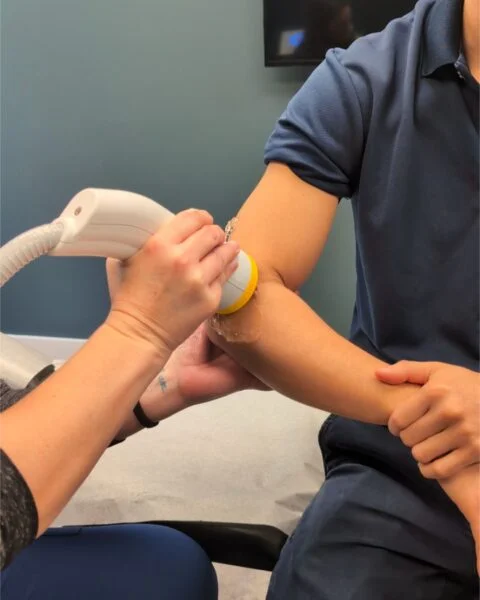
- Application of a small amount of gel to improve contact between the SoftWave device and your skin.
- Gentle movement of the handheld device over the affected region while acoustic waves are delivered; you may feel tapping or mild discomfort in more irritated spots, and intensity can be adjusted.
- Sessions generally last 10–20 minutes depending on the region, with no anesthesia, incisions, or recovery room required.
- Most people resume normal daily activities right after treatment; the best results typically develop over a series of sessions as the healing response builds.
Why Choose Simply Well Chiropractic for SoftWave in Cincinnati?
SoftWave Therapy is only as effective as the clinical decisions behind it, which is why you want a provider who understands both the technology and how to integrate it into a complete care plan. At Simply Well Chiropractic:
- Your SoftWave care is overseen by Dr. Faith Swartzendruber, a licensed chiropractor and SoftWave Therapy specialist with advanced training in musculoskeletal diagnosis and conservative pain management.
- We combine SoftWave Therapy with chiropractic care, rehabilitative exercise, and lifestyle guidance so you are not just chasing pain, you are addressing the underlying mechanical and tissue‑level drivers of your symptoms.
- Your plan is personalized based on your goals, medical history, and response to treatment rather than a one‑size‑fits‑all protocol.
Cincinnati’s trusted softwave provider
Dr. Faith Swartzendruber is a licensed chiropractor and SoftWave Therapy specialist in Cincinnati, Ohio, dedicated to helping patients find non-invasive, evidence-informed solutions for stubborn pain and mobility issues.
Dr. Faith earned her Doctor of Chiropractic degree from Palmer College of Chiropractic in 2022.
She holds Ohio chiropractic license (DC-05144).
Dr. Faith Swartzendruber, DC, integrates her SoftWave Therapy training and chiropractic license with her education background to deliver SoftWave treatments that are both clinically informed and patient-centered.
Dr. Faith has helped hundreds of Cincinnati patients overcome chronic pain with SoftWave Therapy and chiropractic care.
SoftWave Therapy in Cincinnati: Next Steps
If one of the conditions on this page sounds like what you are dealing with, you do not have to keep guessing whether SoftWave Therapy can help. Schedule a SoftWave Discovery Session at Simply Well Chiropractic in Cincinnati to find out whether this treatment is a good match for your diagnosis, goals, and medical history.
During this visit, we can evaluate your problem, perform a targeted SoftWave treatment, and outline a personalized plan to help you move, work, and live with less pain and more confidence.
Address
5721 Dragon Way #110, Cincinnati, OH 45227
info@simplywellchiro.com
Phone
(513) 271-1233
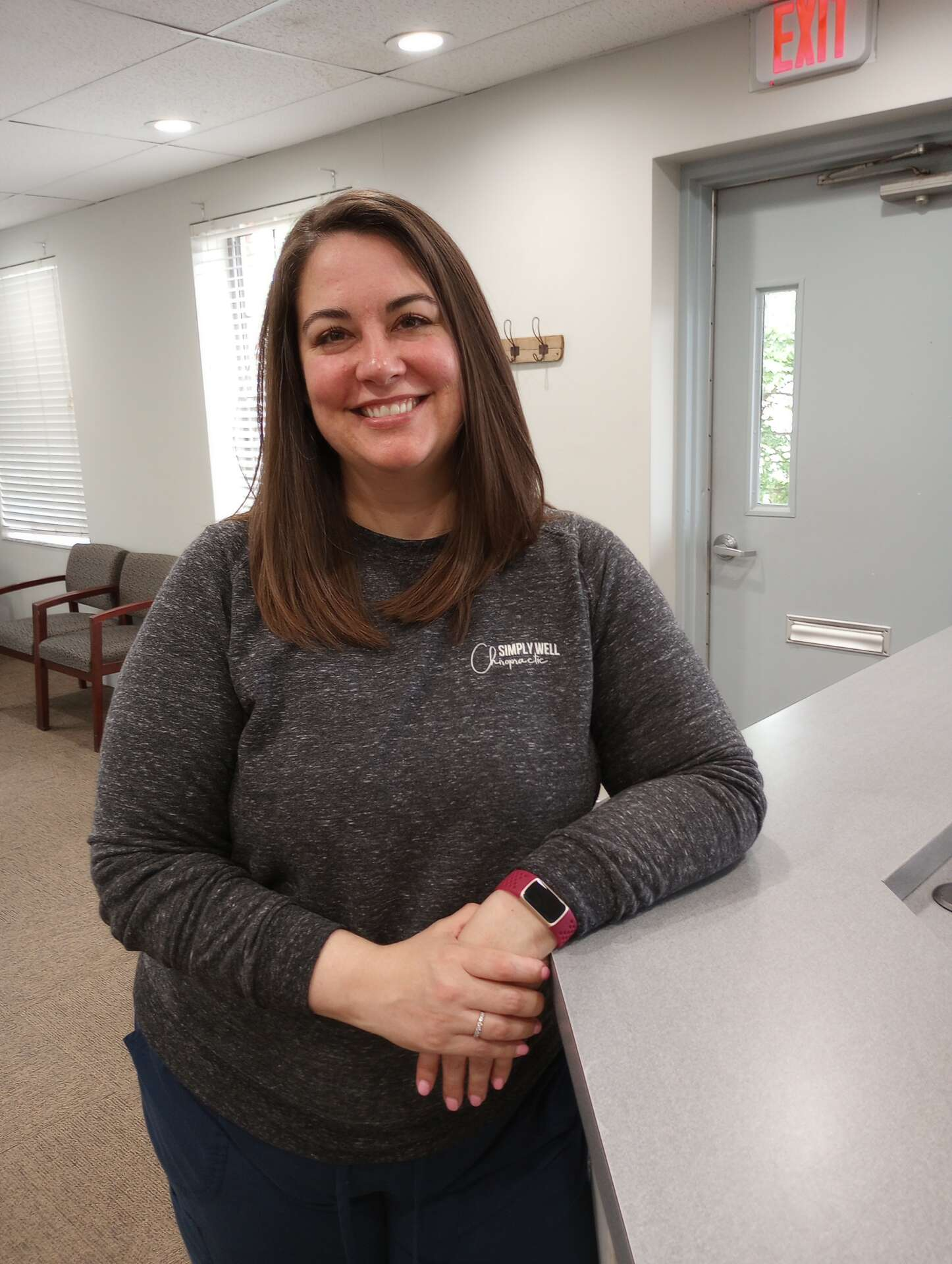
Written and medically reviewed by Dr. Faith Swartzendruber, DC
Ohio Chiropractic License: DC-05144 | Palmer College of Chiropractic
Founder, Simply Well Chiropractic, Cincinnati