
Carpal Tunnel Treatment in Cincinnat
Schedule your $49 Discovery Session today!
What Is Carpal Tunnel Syndrome?
Carpal tunnel syndrome happens when the median nerve is compressed as it travels through a narrow space in the wrist called the carpal tunnel. This nerve controls sensation and strength in your thumb, index finger, middle finger, and part of the ring finger, so even mild pressure can cause numbness, tingling, and weakness.

What Causes Carpal Tunnel Syndrome?
Carpal tunnel syndrome usually develops gradually as pressure builds on the median nerve. Several factors can increase your risk:
- Repetitive hand and wrist motions (keyboard work, assembly line work, manual labor, hairstyling, etc.)
- Prolonged computer or mouse use
- Wrist fractures, sprains, or previous trauma
- Inflammatory or metabolic conditions such as rheumatoid arthritis, diabetes, and hypothyroidism
- Hormonal changes in pregnancy or menopause
- Excess body weight or fluid retention
- Smaller, anatomically narrow carpal tunnels, which can be genetic
You don’t have to work a “heavy” job to develop carpal tunnel; office workers, gamers, musicians, and healthcare workers are all commonly affected in the Cincinnati area.
Common Carpal Tunnel Symptoms
Many people in Cincinnati first notice symptoms of carpal tunnel at night or while working with their hands. Typical signs include:
- Tingling or “pins and needles” in the thumb, index, middle, and ring finger
- Numbness in the hand or fingers, sometimes radiating up the forearm
- Burning or electric‑shock sensations in the wrist or hand
- Hand weakness, dropping objects, or difficulty gripping
- Pain that worsens with repetitive hand use or at night
- The need to “shake out” your hands to relieve symptoms
If these symptoms are ignored, carpal tunnel can progress and may eventually lead to permanent nerve damage and muscle wasting at the base of the thumb.
Why Early Treatment Matters
Carpal tunnel syndrome rarely “just goes away” on its own. Without treatment, continuous pressure on the median nerve can lead to:
- Worsening pain, tingling, and numbness
- Permanent loss of feeling in the fingers
- Weak grip and difficulty with fine motor tasks
- Atrophy (shrinking) of the thumb muscles
Early, conservative treatment can often relieve symptoms and may help you avoid injections or surgery, especially when we can improve circulation, calm inflammation, and reduce pressure on the nerve.
SoftWave Therapy: a non‑surgical option for wrist sprains
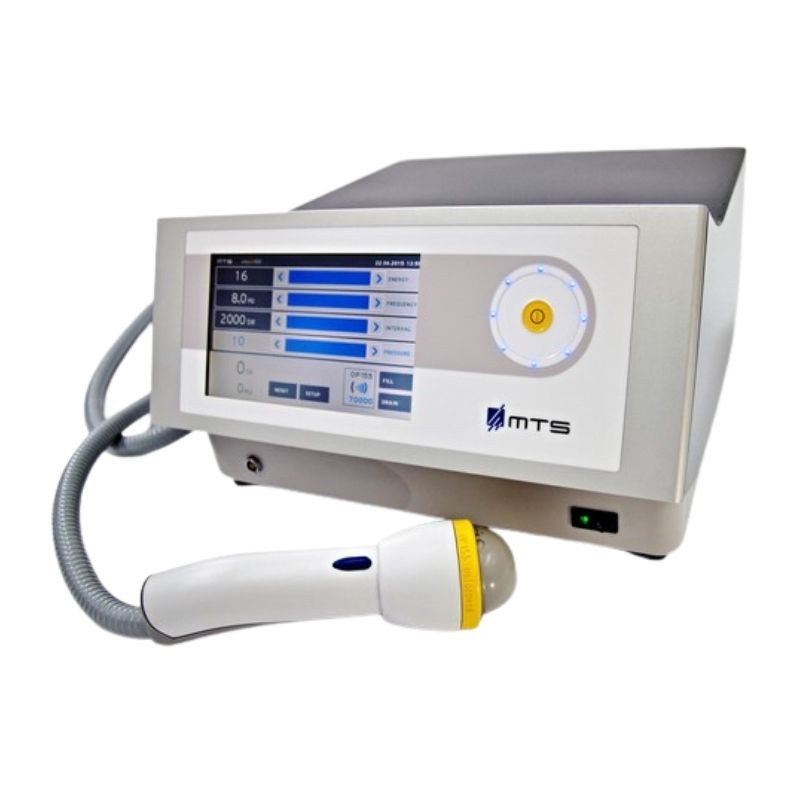
SoftWave Therapy is an FDA‑cleared, non‑invasive treatment that uses broad‑focused acoustic waves to stimulate healing in damaged or inflamed tissues. For carpal tunnel syndrome, SoftWave is applied over the wrist and forearm to target the tissues surrounding the median nerve.
Clinical studies and SoftWave guidance suggest this therapy can:
- Increase blood flow and support new blood vessel formation in the region
- Reduce inflammation and swelling that compresses the median nerve
- Stimulate tissue regeneration and improve the health of tendons and connective tissue
- Decrease pain, numbness, and tingling while supporting better nerve function
Sessions typically last about 10–15 minutes and require no anesthesia, injections, or downtime, so you can return to work and daily activities right away. Many patients feel some degree of symptom change within the first few visits as circulation improves and irritated tissues begin to calm down.
SoftWave Therapy vs. Traditional Carpal Tunnel Treatments
Here’s how SoftWave Therapy compares with some of the most common options Cincinnati patients are offered:
| Treatment option | Invasive? | Typical downtime | Focus of treatment | Potential limitations |
|---|---|---|---|---|
| Wrist brace/splint | No | None | Supports wrist in neutral position | May not resolve underlying tissue changes |
| NSAIDs / pain medications | No | None | Temporarily reduces pain and inflammation | Does not address nerve compression directly |
| Cortisone injection | Minimally | Minimal | Strong short‑term anti‑inflammatory effect | Relief may be temporary; repeated injections can have side effects |
| Carpal tunnel surgery | Yes | Weeks to months | Surgically enlarges the carpal tunnel | Risks of surgery, rehab time, scar tissue |
| SoftWave Therapy (non‑surgical) | No | None | Stimulates tissue healing and circulation, reduces inflammation around nerve | Requires a series of treatments; not a replacement for surgery in every case |
SoftWave isn’t a magic cure for every situation, but for many people with mild to moderate carpal tunnel – or those looking to avoid or delay surgery – it can be an effective part of a conservative treatment plan.
Is SoftWave Right for Your Carpal Tunnel?
SoftWave Therapy may be a good fit if:
- You have been diagnosed with carpal tunnel syndrome or have classic symptoms
- You want to try conservative, non‑surgical options before injections or surgery
- You’ve tried braces, rest, or medications but still have pain or numbness
- Your work, hobbies, or caregiving responsibilities make surgical downtime difficult
During your consultation, we’ll discuss your diagnosis, review what you’ve already tried, and determine whether SoftWave is likely to help, or if you need co‑management or referral to another Cincinnati specialist such as a hand surgeon or neurologist.
Cincinnati’s trusted softwave provider
Dr. Faith is a chiropractor at Simply Well Chiropractic in Cincinnati who focuses on helping patients with carpal tunnel syndrome and wrist pain find relief without surgery or long‑term medications. As a certified SoftWave provider, she has extensive experience using this non‑invasive technology to support tissue healing, reduce inflammation, and improve mobility in the wrists, hands, and forearms affected by nerve irritation. Over the years, Dr. Faith has helped many Cincinnati patients return to work, typing, hobbies, and daily activities with less numbness, tingling, and pain by combining SoftWave Therapy with personalized, conservative care plans.
Dr. Faith earned her Doctor of Chiropractic degree from Palmer College of Chiropractic in 2022.
She holds Ohio chiropractic license (DC-05144).
Dr. Faith Swartzendruber, DC, integrates her SoftWave Therapy training and chiropractic license with her education background to deliver SoftWave treatments that are both clinically informed and patient-centered.
Dr. Faith has helped hundreds of Cincinnati patients overcome chronic pain with SoftWave Therapy and chiropractic care.
What to Expect During Carpal Tunnel SoftWave Treatment
Your visit at Cincinnati SoftWave Therapy is designed to be thorough, comfortable, and transparent.
1
Step 1 – Comprehensive Evaluation
We start with a detailed consultation to understand your history, symptoms, and daily activities. This may include:
- Reviewing your medical and work history, previous treatments, and imaging if available.
2
Step 2 – Your First SoftWave Session
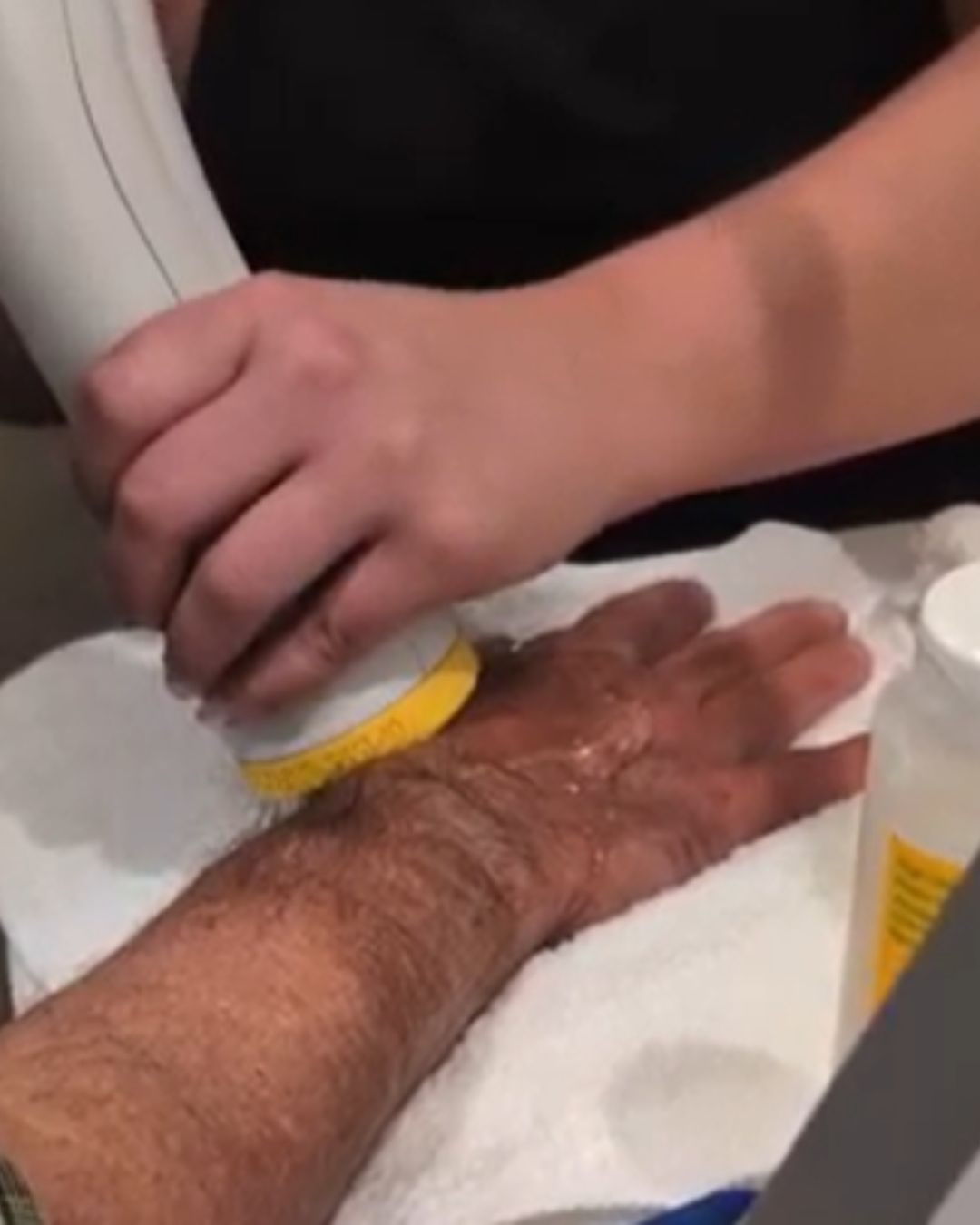
During a SoftWave Therapy session for carpal tunnel:
- A gel is applied to your wrist and forearm to help transmit the sound waves.
- The SoftWave applicator is moved over specific points along your wrist, hand, and forearm.
- You may feel mild to moderate discomfort in irritated areas; this is often where the tissue needs the most attention.
- Treatments usually last 10–15 minutes for the carpal tunnel region.
Most patients tolerate SoftWave well and are able to return to work or home without restrictions after their visit.
3
Step 3 – Frequency and Number of Treatments
The number of sessions you’ll need depends on how long you’ve had symptoms, how severe they are, and your overall health and activity level. Many people begin noticing changes in pain and function within the first few visits, with a typical plan ranging from several sessions spread over a few weeks.
We combine SoftWave with customized home strategies – like ergonomics, stretching, and activity modifications – to help your results last.
Schedule Carpal Tunnel Treatment in Cincinnati
You don’t have to live with constant tingling, numbness, and hand pain. If you’re looking for carpal tunnel treatment in Cincinnati and want a non‑surgical, drug‑free option, SoftWave Therapy can help you move, work, and sleep with more comfort.
Click the button to the left or call our office to schedule your consultation. We’ll evaluate your condition, explain your options clearly, and design a customized plan to help you get lasting relief from carpal tunnel symptoms.

Written and medically reviewed by Dr. Faith Swartzendruber, DC
Ohio Chiropractic License: DC-05144 | Palmer College of Chiropractic
Founder, Simply Well Chiropractic, Cincinnati