
Hip Instability treatment in Cincinnati
Schedule your $49 Discovery Session today!
What Is Hip Instability?
Hip instability means the ball of the hip joint (femoral head) is not being kept securely centered in the socket (acetabulum) during movement. Over time, this extra motion can irritate the labrum, ligaments, and muscles that are supposed to hold the joint steady, creating pain, weakness, and a feeling of “untrustworthy” hips.
In a healthy hip, deep bony alignment, a strong capsule and ligaments, and over 20 stabilizing muscles work together to keep the joint both mobile and stable. When any of these structures are overstretched, injured, or not firing correctly, the result is varying degrees of instability—from subtle microinstability to more obvious subluxations or even dislocations after trauma.
Common Causes of Hip Instability
Hip instability can develop suddenly after an injury or gradually over months or years. Common contributors include:
Post‑surgical or post‑pregnancy changes
Previous hip arthroscopy, pregnancy‑related laxity, or significant weight changes can all alter the way the hip is supported.
Traumatic injuries
High‑energy falls, car accidents, or sports injuries can partially dislocate or fully dislocate the hip, stretching the capsule and tearing supporting tissues.
Labral and ligament tears
Damage to the labrum or ligamentum teres reduces the suction‑seal and mechanical restraint that keep the hip centered.
Developmental and structural issues
Hip dysplasia, shallow sockets, abnormal femoral version, or femoroacetabular impingement change how the ball and socket fit, increasing strain on stabilizing tissues.
Generalized hypermobility and connective tissue disorders
Conditions like Ehlers‑Danlos or joint hypermobility syndrome can leave ligaments too loose, making it harder for the hip to stay in place under load.
Repetitive overuse and sport‑specific stress
Activities that demand extreme range of motion—such as dance, gymnastics, martial arts, or deep yoga—can slowly stretch the capsule and supporting ligaments over time.
Signs and Symptoms You Shouldn’t Ignore
Hip instability does not always look like a dramatic dislocation. For many people, it shows up as a frustrating mix of pain and “slippery” control. You might notice:
- Deep aching or sharp pain in the front of the hip or groin, sometimes radiating to the side or buttock
- A sensation that the hip might “give way,” especially when pivoting, walking on uneven ground, or going down stairs
- Clicking, snapping, catching, or popping inside the joint when you move or change positions
- Feeling like the hip is loose, wobbly, or not under your full control, even when imaging looks “normal”
- Difficulty standing on one leg, sitting for long periods, or returning to running, sports, or higher‑impact exercise
Because hip instability can mimic other problems (like bursitis, muscle strains, or low‑back issues), it is important to work with a practitioner who understands both hip preservation and whole‑body mechanics.
How SoftWave Therapy Supports Hip Stability
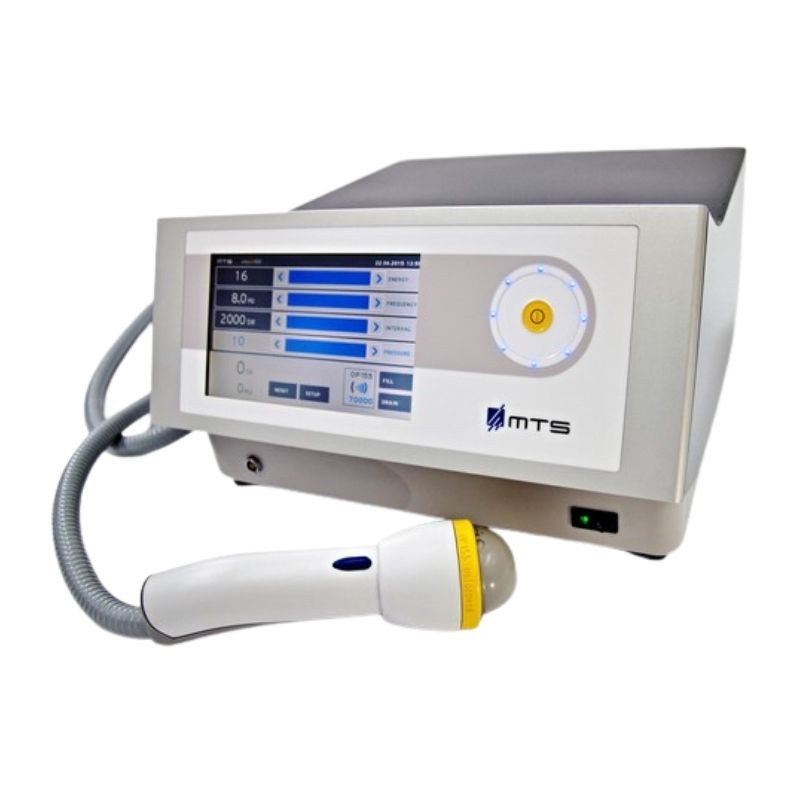
SoftWave Therapy uses unfocused acoustic waves to create a deep, precise mechanical stimulus in the tissues around your hip. This stimulus has been shown to:
- Boost local blood flow and promote new micro‑circulation, delivering more oxygen and nutrients to healing tissues
- Reduce chronic inflammation that keeps capsular and muscular tissue irritated and painful
- Stimulate cellular repair pathways that encourage healthier collagen remodeling in ligaments, tendons, and fascia
- Break up small areas of scar or fibrotic adhesions that may be limiting normal movement patterns
For hip instability, we specifically target:
- The hip capsule and surrounding ligaments that have been overstretched or irritated
- The gluteus medius, minimus, and deep rotators that control femoral head position
- Adjacent tissues in the low back and pelvis when they are contributing to compensatory patterns
SoftWave is non‑invasive, does not require downtime, and is performed in‑office. Most people are able to walk out of the session and resume light daily activities immediately, with progressive changes in pain and control over the following days.
Non-surgical care for hip instability in Cincinnati
Before considering surgery, most hip specialists recommend a solid course of non-operative treatment focusing on strength, stability, and symptom control. At Simply Well Chiropractic, we build your plan around three main pillars.
- Gentle chiropractic and joint mechanics
- Addressing pelvic and lumbar alignment can reduce extra stress on the hip and help the stabilizing muscles work more efficiently.
- Restoring better motion where you are stiff can reduce compensations that feed into the feeling of instability.
- SoftWave Therapy for irritated tissues
- SoftWave uses low-intensity acoustic waves to stimulate healing in muscles, tendons, and other soft tissues around the hip.
- Studies and clinical reports suggest SoftWave can improve blood flow, reduce inflammation, and support tissue repair—important when tendons or joint tissues are overloaded from instability.
- Targeted stability and strength work
- Evidence supports exercise-based therapy focused on the hip stabilizers and core for hip microinstability and related pain.
- We emphasize controlled single-leg work, glute and deep rotator strength, and progressive balance drills to teach the hip to “hold” better under load.
Many patients appreciate that this combination is non-invasive, drug-free, and designed to help them avoid or delay surgery when appropriate.

Your Visit: Assessment, Discovery Session, and Plan
Because no two cases of hip instability are identical, your first visit in our Cincinnati office is designed to find the specific weak links that are driving your symptoms.
You can expect:
- Detailed history and movement exam
We look at how your hip moves in all directions, test strength and balance, screen for hypermobility, and evaluate your low back, knees, and feet. - SoftWave Discovery Session
We perform a guided SoftWave scan over the hip and surrounding tissues to identify “hot spots” of irritation and test how your body responds to the treatment stimulus. - A clear diagnosis and non‑surgical game plan
You will leave with a step‑by‑step plan that may include SoftWave Therapy, specific hip‑stability exercises, activity modifications, and, when appropriate, coordination with your orthopedic surgeon or physical therapist.
If our findings suggest that your hip may need surgical evaluation—for example, in cases of severe dysplasia, recurrent frank dislocations, or advanced cartilage damage—we will discuss those red flags openly and help you connect with an appropriate hip preservation specialist in the Cincinnati region.
Cincinnati’s trusted softwave provider
Dr. Faith Swartzendruber is a licensed chiropractor and SoftWave Therapy provider in Cincinnati, Ohio, who helps people improve hip stability and relieve pain caused by muscle weakness or joint imbalance. She focuses on restoring strength, control, and confidence in movement—without surgery or heavy medications. Through an evidence-informed, personalized approach, Dr. Faith combines SoftWave Therapy with targeted chiropractic and rehabilitative care to promote lasting stability, better alignment, and long-term hip health.
Dr. Faith earned her Doctor of Chiropractic degree from Palmer College of Chiropractic in 2022.
She holds Ohio chiropractic license (DC-05144).
Dr. Faith Swartzendruber, DC, integrates her SoftWave Therapy training and chiropractic license with her education background to deliver SoftWave treatments that are both clinically informed and patient-centered.
Dr. Faith has helped hundreds of Cincinnati patients overcome chronic pain with SoftWave Therapy and chiropractic care.
Schedule a hip flexor evaluation in Cincinnati
Ready to find out whether your hip instability is a good fit for SoftWave Therapy and conservative care?
- Call our Cincinnati office at [phone number] to schedule a SoftWave Discovery Session.
- Or request an appointment online, and our team will reach out to find a time that works for you.
We will listen to your story, perform a thorough assessment, and give you clear next steps—so you can stop worrying about your hip and start moving forward again.

Written and medically reviewed by Dr. Faith Swartzendruber, DC
Ohio Chiropractic License: DC-05144 | Palmer College of Chiropractic
Founder, Simply Well Chiropractic, Cincinnati