SoftWave Therapy: A Different Approach to Pain and Tissue Recovery
SoftWave Therapy offers an advanced, non-invasive alternative for chronic pain management and accelerated tissue recovery by harnessing electrohydraulic acoustic sound waves. This technology delivers high-energy acoustic pulses deep into damaged cellular environments to stimulate microcirculation, reduce inflammation, and trigger the body’s natural repair mechanisms. By recruiting native stem cells and promoting angiogenesis, SoftWave Therapy addresses the root causes of musculoskeletal injuries, joint pain, and chronic inflammation without needles, surgery, or downtime.
No needles or injections
No medication required
Brief in-office sessions
Personalized Treatment
What is Softwave Therapy?
SoftWave Therapy is a non-invasive form of extracorporeal shockwave therapy (ESWT) that uses broad-focused acoustic waves to stimulate a healing response in painful or slow-to-recover tissue.
SoftWave uses acoustic energy to encourage a biological response
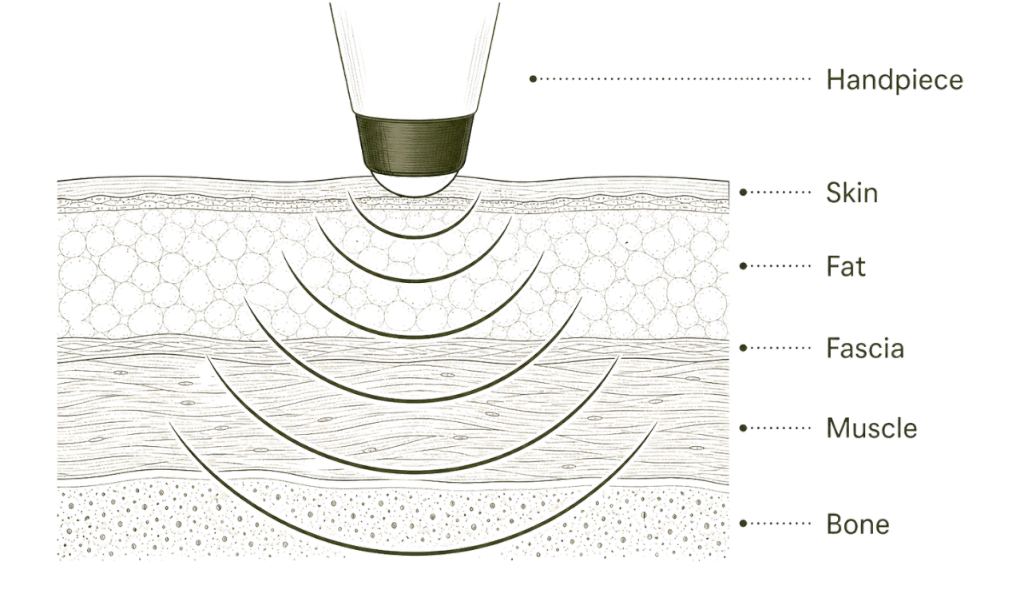
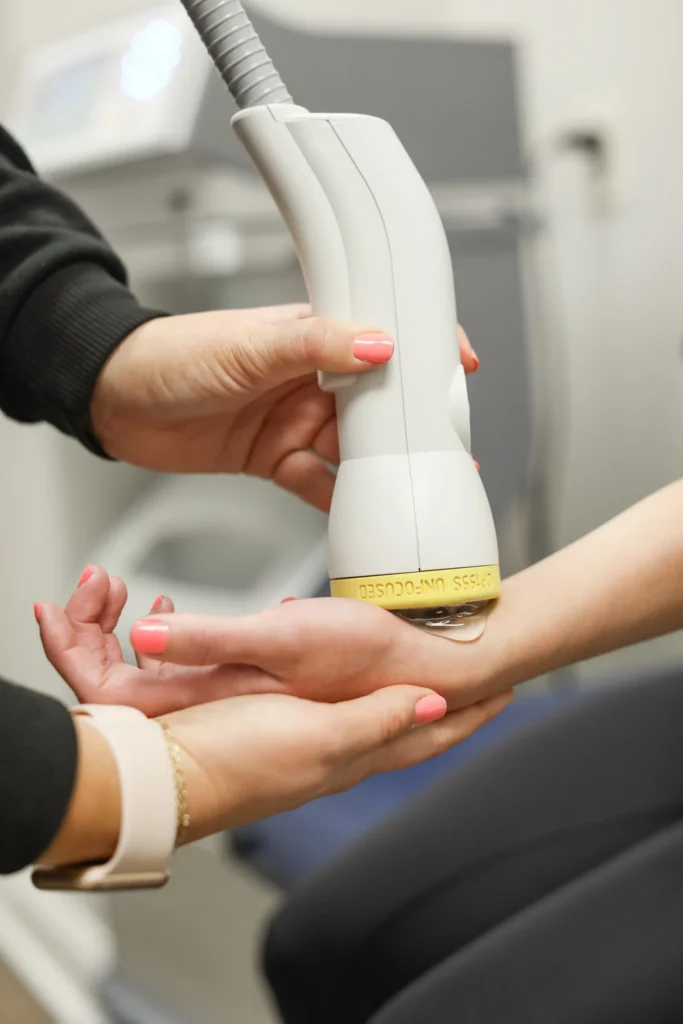
SoftWave Therapy uses electrohydraulic technology to create a true acoustic shockwave. During treatment, a handheld applicator delivers short pulses of mechanical energy through the skin and into the targeted area.
The goal is not to force tissue to heal or “break up” an injury. Instead, the mechanical stimulus may activate cellular signaling and support the body’s normal repair processes in tissue that is painful, inflamed, scarred, or not responding as expected. SoftWave describes this process as mechanotransduction: a physical signal that can lead to chemical and biological activity in the treatment area.
Softwave uses acoustic waves—not needles or surgery.
SoftWave delivers brief pulses of acoustic energy through the skin using a handheld applicator. There are no injections, incisions, or medication required as part of the treatment itself.
Softwave supports the body’s natural healing response.
The mechanical energy from the wave is intended to stimulate biological activity in the treatment area—a process often called mechanotransduction.
It treats a broad area, not just one tiny point.
SoftWave is designed to distribute energy across a wider treatment zone, reaching both more superficial and deeper tissue.
It may help with pain, circulation, and connective-tissue activation.
SoftWave’s device has FDA 510(k) clearances for specified uses including temporary increases in local blood circulation, relief of minor muscle aches and pains, and activation of connective tissue.
It is one part of a complete recovery plan.
SoftWave is not a “magic fix” or a replacement for diagnosis, movement assessment, strength work, mobility, load management, or referral when needed.
Softwave is personalized to your symptoms and goals.
A thoughtful plan considers what is painful, what is limiting you, how long the issue has been present, and what you want to get back to doing.
Is SoftWave Therapy right for you?
SoftWave Therapy may be worth exploring if you are looking for a non-surgical, drug-free option for an ongoing musculoskeletal concern—especially if pain is affecting your ability to stay active, work comfortably, exercise, or enjoy everyday movement.
A SoftWave Discovery Session may be a good fit if:
SoftWave Therapy is not appropriate for every person or every condition. Dr. Faith will discuss your history and goals, identify any reasons to seek additional medical evaluation, and help you decide on an appropriate next step.
What happens during a SoftWave appointment?
SoftWave sessions are typically brief, but the evaluation behind them matters. We use your symptoms, movement, and real-time feedback to identify the area that needs attention and create a plan that makes sense for you.
We Listen
We start with you: your story, your concerns, your goals.
Assess movement and tissue
Dr. Faith evaluates the area, nearby movement patterns, and potential contributors to your symptoms.
Locate the treatment area
The SoftWave applicator is moved over the area while you provide feedback about where you feel familiar tenderness or sensitivity. This can help guide treatment toward the most relevant tissue.
Build the next step
You leave with a clear recommendation. That may include SoftWave sessions, chiropractic care, mobility work, strength-based rehabilitation, activity modifications, referral, or a different approach altogether.
Conditions SoftWave Therapy Treats
What SoftWave Therapy May Do for Tissue
Softwave Therapy supports your body’s natural ability to repair, rebuild and restore function over time.
Supports circulation
Enhances blood flow to deliver nutrients and support healing.
Encourage signaling
Stimulates cellular communication that promotes repair.
reduce sensitivity
Calms overactive pain signals and supports comfort.
Create Movement
Prepares tissue to respond, rehab and build strength.
Schedule with a SoftWave Therapy provider in Cincinnati
If you are ready to explore whether SoftWave Therapy may fit your needs, schedule a $49 SoftWave Discovery Session with Dr. Faith at Simply Well Chiropractic.
SoftWave Therapy questions, answered.
Address
5721 Dragon Way #110, Cincinnati, OH 45227
info@simplywellchiro.com
Phone
(513) 271-1233
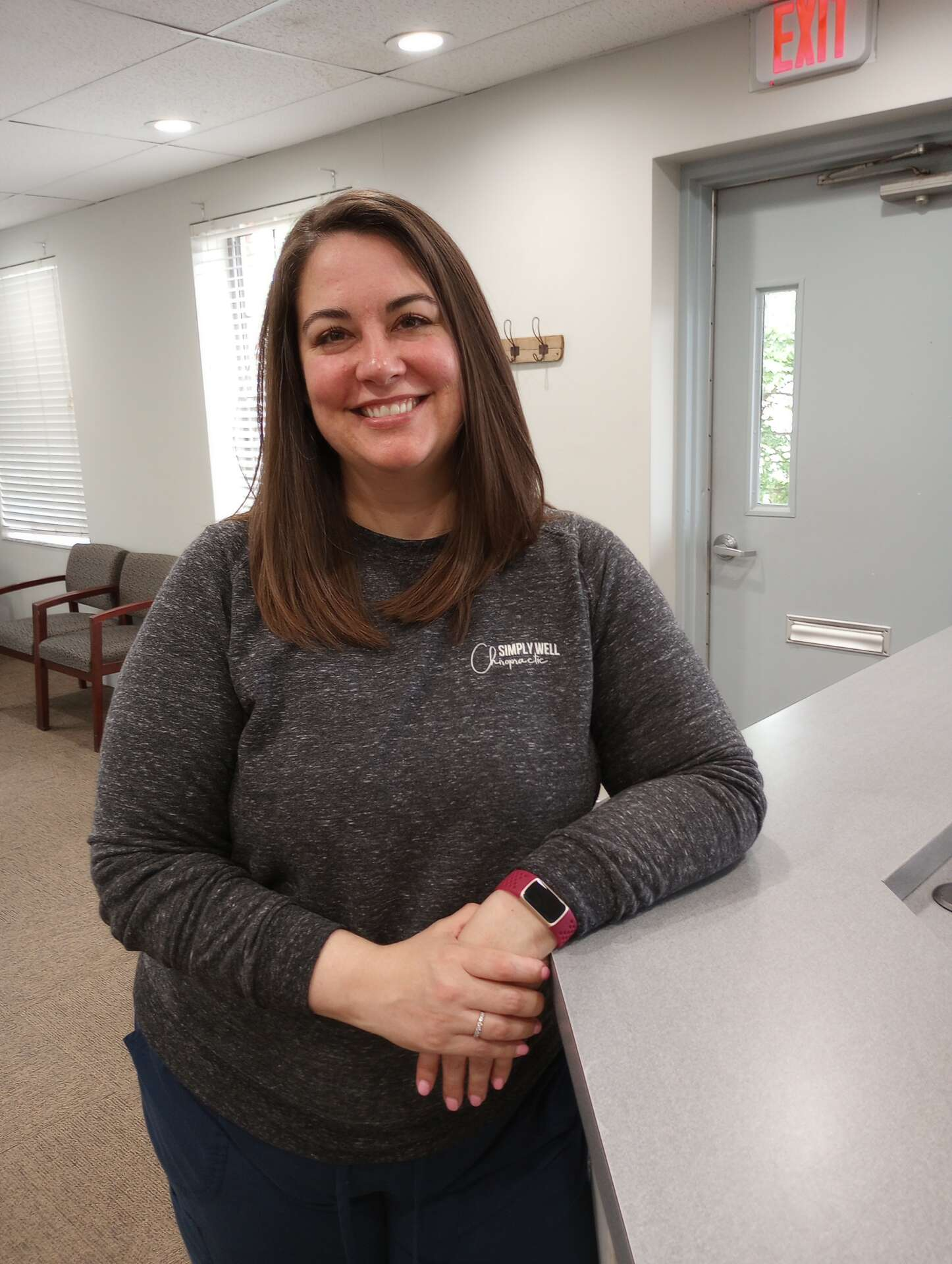
Written and medically reviewed by Dr. Faith Swartzendruber, DC
Ohio Chiropractic License: DC-05144 | Palmer College of Chiropractic
Founder, Simply Well Chiropractic, Cincinnati