Shoulder Bursitis Relief in Cincinnati
$49 Discovery Session at Simply Well Chiropractic
Non-Invasive | FDA-Cleared
If every reach into a cabinet, every attempt to put on a shirt, or every night spent on your side sends a sharp ache through your shoulder, you may be dealing with shoulder bursitis—not “just getting older.” At Simply Well Chiropractic’s Cincinnati SoftWave Therapy clinic, we help people reduce shoulder bursitis pain fast and get back to work, sports, and sleep without injections or surgery.
Dull, aching pain on the outside or top of your shoulder
Pain when rotating your arm or crossing your arms across your chest
What Is Shoulder Bursitis?
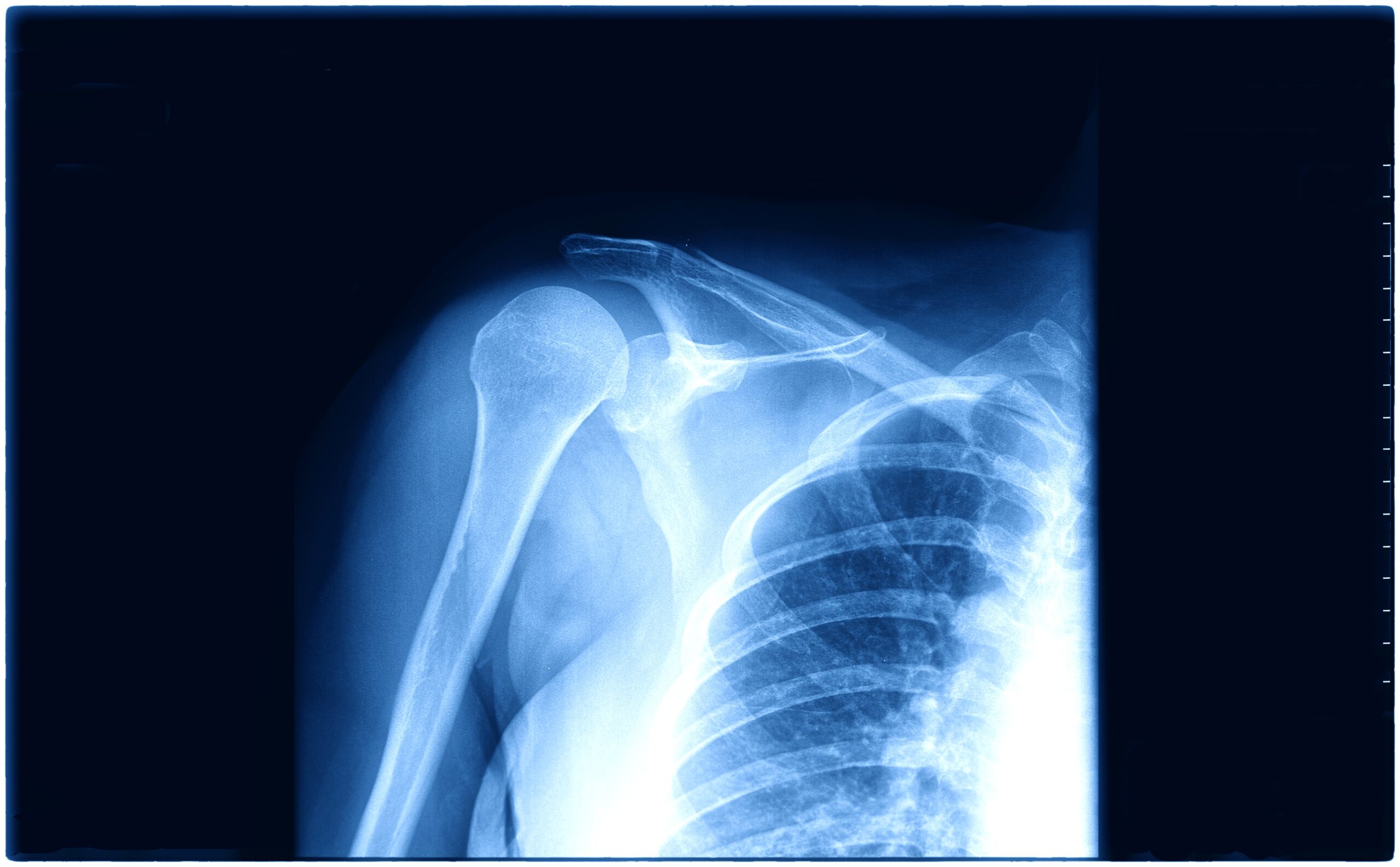
Your shoulder contains small, fluid‑filled cushions called bursae that sit between bones, tendons, and muscles to reduce friction and allow smooth movement. The most commonly irritated one is the subacromial bursa, which sits between your rotator cuff tendons and the bony arch of your shoulder blade.
When this bursa becomes inflamed and fills with excess fluid, it swells, reduces space in the joint, and creates a painful “pinching” as you lift or rotate your arm. This is shoulder bursitis (or subacromial bursitis).
Shoulder Bursitis Symptoms
Do you experience any of these symptoms?
- Dull, aching pain on the outside or top of your shoulder
- Swelling or a feeling of fullness in the shoulder
- Pain that worsens with overhead reaching or lifting
- Discomfort when sleeping on the affected shoulder
- Pain when rotating your arm or crossing your arms across your chest
- Clicking or catching sensation with movement
- Pain that developed gradually, often after repetitive activity
- You can move your arm, but certain movements hurt
- Pain that improves with rest but returns with activity
- You’ve tried rest, ice, or anti-inflammatories with limited improvement
- A doctor or imaging confirmed “subacromial bursitis”
If you have several of these symptoms, shoulder bursitis is the likely culprit. The good news: bursitis typically responds faster to treatment than rotator cuff or frozen shoulder because it’s often acute inflammation rather than deep tissue damage.


What Causes Shoulder Bursitis?
Shoulder bursitis usually isn’t random. Something is repeatedly irritating that bursa until it finally “complains.” Common contributors include:
Athletes and Throwing Sports
Baseball pitchers, football quarterbacks, volleyball players, and swimmers frequently develop bursitis from repetitive overhead throwing or reaching. The constant overhead motion irritates the bursa and can also irritate the rotator cuff. Treatment needs to address both the inflammation and the mechanics that caused it.
Workers with Repetitive Tasks
Construction workers, painters, electricians, assembly line workers, and anyone with repetitive overhead tasks are at high risk. The bursa becomes irritated from constant motion, poor ergonomics, or heavy lifting overhead. For workers, quick recovery is critical—bursitis can sideline you from your job.
Desk Workers and Poor Posture
People who spend hours at desks or computers often develop forward shoulder posture. This posture changes shoulder mechanics, increases stress on the bursa and rotator cuff, and can trigger bursitis even without overhead activity. In these cases, addressing posture and muscle balance is key to preventing recurrence.
Aging Adults
People over 50 develop bursitis more easily because:
Tissues lose elasticity with age
Muscle strength and flexibility decrease
Tendons and bursae become less resilient
Arthritis or other joint changes increase friction
Post-Injury or Post-Surgery
After shoulder injury or rotator cuff surgery, the bursa can become irritated during healing or rehabilitation. Bursitis in this context needs careful management to avoid disrupting the healing process.
How SoftWave Therapy Treats Shoulder Bursitis
SoftWave Therapy uses high‑energy acoustic waves to calm inflammation, stimulate healing, and restore healthier tissue in and around the inflamed bursa. Unlike passive rest or medications that simply block pain, SoftWave is designed to address the biology driving your bursitis.
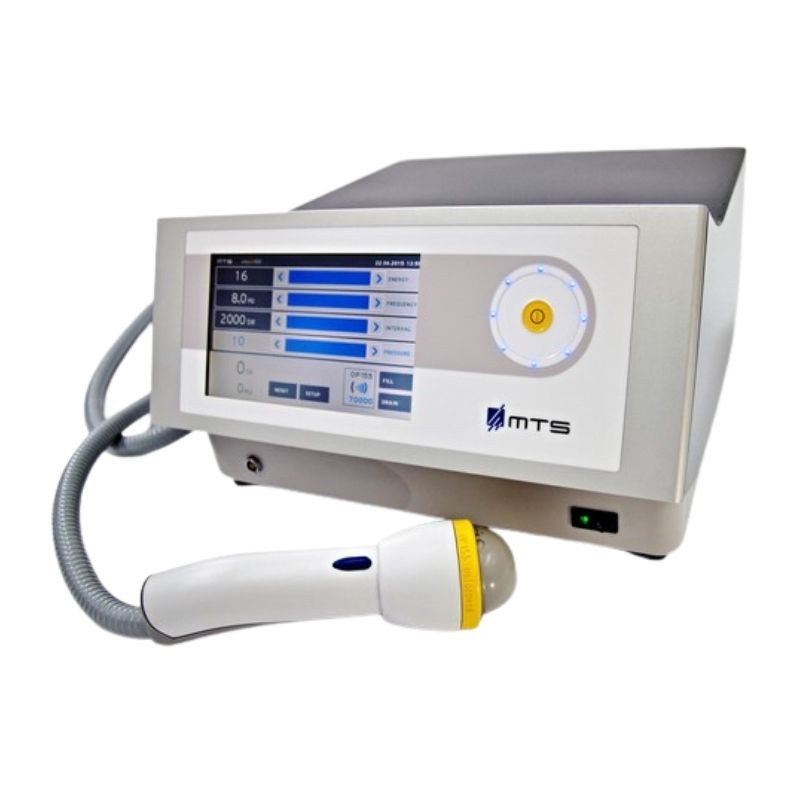
During treatment, the SoftWave applicator is moved over your shoulder so energy penetrates 1–2 inches to reach the subacromial bursa and surrounding rotator cuff tendons. Patients often describe a brief “rubber band snap” sensation over irritated tissue, which helps us precisely localize the painful structures.
Key therapeutic effects include:
- Rapid inflammation reduction – SoftWave helps down‑regulate inflammatory chemicals and reduce excess fluid in the bursa, which decreases pressure and pain.
- Improved circulation and neovascularization – it promotes new micro‑blood vessel growth, bringing more oxygen and nutrients to damaged tissue.
- Cellular regeneration – acoustic energy stimulates local cells to repair and remodel injured soft tissue rather than just numb symptoms.
- Pain relief – as swelling and pressure drop, nerves calm down and movement becomes smoother and less painful.
For shoulder bursitis specifically, this combination often leads to faster symptom improvement than rest alone or repeated cortisone injections.
How SoftWave Therapy Treats Shoulder Bursitis
SoftWave Therapy is exceptionally effective for bursitis because it specifically targets the inflamed bursa and the underlying irritation causing it.
The Science Behind SoftWave for Bursitis
When the SoftWave device is applied to your shoulder:
01.
Penetrates the bursa directly: Acoustic waves reach the inflamed bursa (1-2 inches deep for subacromial bursitis), delivering therapeutic energy directly to the problem area.
02.
Reduces inflammation rapidly: The acoustic waves decrease inflammatory markers and reduce swelling in the bursa. Pain relief often begins within the first few sessions—faster than most treatments.
03.
Promotes neovascularization: New blood vessels form, bringing oxygen and nutrients to the inflamed tissue. This accelerates healing and reduces pain naturally.
04.
Reduces pressure in the joint: As swelling decreases, pressure on nerves and tissues decreases. This compound effect (less swelling + less pressure) creates rapid pain relief.
05.
Addresses underlying irritation: SoftWave stimulates healing in any irritated rotator cuff tendons or other soft tissues contributing to bursitis, preventing recurrence.
Why Many Cincinnati Patients Choose SoftWave First
Most traditional care pathways for shoulder bursitis look like “rest, pills, therapy, injection, maybe surgery.” SoftWave Therapy fits earlier in that sequence for many patients because it actively promotes healing while still being non‑invasive.
Here’s how SoftWave compares to common options:
- Rest alone – can calm a flare, but the irritated tissue may not fully heal, and symptoms often return when you go back to normal activity.
- Anti‑inflammatory medications – may reduce pain but don’t directly repair the bursa or address mechanics, and long‑term use has side effects.
- Cortisone injections – often relieve pain for several weeks to a few months, but you’re usually limited in how many injections you can safely receive each year due to risks like tendon weakening and tissue damage.
- Physical therapy alone – crucial for long‑term shoulder health, but in the early, very inflamed stage, some exercises can be hard to tolerate.
SoftWave can reduce inflammation enough that you can participate in rehab sooner and more effectively, which is why we frequently combine SoftWave Therapy with targeted home exercises or PT referrals.
Cincinnati’s trusted softwave provider
Dr. Faith Swartzendruber is a licensed chiropractor and SoftWave Therapy provider in Cincinnati, Ohio, who helps people find relief from shoulder bursitis and related inflammation. Her goal is to reduce pain, calm irritated tissues, and restore smooth, comfortable movement—without surgery or heavy medications. With an evidence-informed, personalized approach, Dr. Faith combines SoftWave Therapy with targeted chiropractic and rehabilitative care to support tissue healing, improve shoulder mobility, and promote lasting comfort and function.
Dr. Faith earned her Doctor of Chiropractic degree from Palmer College of Chiropractic in 2022.
Dr. Faith holds Ohio chiropractic license (DC-05144).
Dr. Faith Swartzendruber, DC, integrates her SoftWave Therapy training and chiropractic license with her education background to deliver SoftWave treatments that are both clinically informed and patient-centered.
Dr. Faith has helped hundreds of Cincinnati patients overcome chronic pain with SoftWave Therapy and chiropractic care.

Who SoftWave Bursitis Treatment Helps Most
At our Cincinnati SoftWave Therapy clinic, shoulder bursitis patients usually fall into a few patterns:
- Active adults 35–65 dealing with shoulder pain from lifting, recreational sports, or DIY projects
- Workers with overhead demands such as painters, electricians, contractors, and warehouse workers who cannot afford long layoffs
- Desk‑bound professionals with rounded posture whose shoulder pain escalated over months without a dramatic injury
- Post‑surgical or post‑injury patients whose imaging is “fine” but whose shoulder still hurts with certain motions
If you’ve already tried rest, ice, medications, or even a cortisone shot and your shoulder still bothers you, SoftWave offers a non‑surgical option aimed at changing the underlying tissue environment, not just masking pain.
What to Expect: Your Shoulder Bursitis Treatment Journey
Your First Appointment (Discovery Session – $49)
Consultation (10 minutes)
Dr. Faith asks about your bursitis: When did it start? What activities make it worse? Have you had imaging? What have you tried? What are your goals?
SoftWave Diagnostic Session (10 minutes)
The device is applied to your shoulder. You’ll feel the characteristic response when it reaches the inflamed bursa. This diagnostic feedback guides treatment.
Immediate Relief
Many patients notice reduced pain or improved mobility within hours of the first session.
Important: Dr. Faith recommends a conservative starting plan and evaluates your progress. If you’re improving well, you’re done. If you need more sessions, she’ll discuss it with you—no large packages forced upfront.
Shoulder bursitis responds well to SoftWave Therapy in most patients, but results are not guaranteed and vary significantly by individual. The treatment timelines and session ranges described above represent typical outcomes, not certainties—every case is unique, and factors like bursitis severity, how long you’ve had it, your age, overall health, whether you address the underlying cause, and your individual healing response all affect your specific results.
Softwave Results Timeline
Days 1-3: First Signs of Relief
Pain begins to decrease, especially with movement. Swelling may start to reduce. Sleep may improve if bursitis was keeping you awake.
Week 1-2: Noticeable Improvement
Pain with overhead movements decreases significantly. You can do more activities without aggravation. Swelling noticeably reduces.
Week 2-3: Major Breakthrough
Most pain is gone during normal daily activities. You can return to work or light activities. Overhead reaching, while not perfect, is much better.
Week 3-4: Back to Normal
Pain is minimal or resolved. You can return to sports, weightlifting, or overhead work. Full function restored.
After treatment: Unlike injections, SoftWave results typically last months to years because the tissue heals, not just the inflammation is suppressed.
Shoulder Bursitis vs. Rotator Cuff vs. Frozen Shoulder: Key Differences
Bursitis, rotator cuff injury, and frozen shoulder can feel similar, but they’re different conditions with different treatment approaches and timelines.
| Factor | Shoulder Bursitis | Rotator Cuff Injury | Frozen Shoulder |
|---|---|---|---|
| What’s inflamed/damaged | Bursa (fluid sac) | Rotator cuff tendons | Joint capsule |
| Main symptom | Dull ache at shoulder tip; swelling | Sharp pain with overhead reaching; weakness | Extreme stiffness; pain with all movement |
| Onset | Often follows repetitive activity | Can be acute (injury) or gradual (overuse) | Gradual, often no clear cause |
| Worst movement | Overhead lifting, sleeping on side | Specific overhead movements | Any movement in all directions |
| Pain character | Dull, aching | Sharp, catching | Constant ache with stiffness |
| Swelling | Yes, often visible | No swelling typically | No swelling typically |
| Typical duration without treatment | Weeks to months | Months | 1-2 years |
| Response to rest | Improves with rest | Improves slowly | Worsens with immobility |
| Response to SoftWave | Very fast (2-4 weeks) | Moderate (6-10 weeks) | Slower (8-12 weeks) |
Key takeaway: Bursitis is often acute inflammation that responds quickly to anti-inflammatory treatment. Rotator cuff and frozen shoulder are deeper tissue issues that take longer to heal. If your shoulder pain developed after repetitive activity and you have visible swelling, bursitis is likely and will improve fastest.
Why Cortisone Injections Aren’t Always the Best First Step for Shoulder Bursitis
Cortisone injections are commonly prescribed for shoulder bursitis because they work fast—they reduce inflammation and pain within days. But they have limitations many patients don’t realize:
Temporary relief
Cortisone injections last 3-4 months on average. After that, pain typically returns unless the underlying cause is addressed. Many patients need repeated injections, which can damage tissue.
Limited to 3-4 per year
Too many cortisone injections carry risks: tissue damage, weakening of tendons, infection, and loss of effectiveness over time.
Potential side effects
Systemic cortisone absorption can affect blood sugar, immune function, and bone density, especially with repeated injections.
FREQUENTLY ASKED QUESTIONS ABOUT Shoulder Bursitis Treatment in Cincinnati
Shoulder Bursitis Treatment in Cincinnati: Start Restoring Movement
SShoulder bursitis does not have to keep you from work, caring for your family, or doing the activities you enjoy for months on end. With a targeted, non‑invasive approach like SoftWave Therapy—paired with smart movement and posture changes—most people see meaningful relief in a matter of weeks, not years.
Your $49 Discovery Session at Simply Well Chiropractic includes a full shoulder evaluation, orthopedic testing, your first SoftWave treatment, and a clear plan to help you relieve pain and restore movement without relying on repeated injections or surgery.
Address
5721 Dragon Way #110, Cincinnati, OH 45227
info@simplywellchiro.com
Phone
(513) 271-1233

Written and medically reviewed by Dr. Faith Swartzendruber, DC
Ohio Chiropractic License: DC-05144 | Palmer College of Chiropractic
Founder, Simply Well Chiropractic, Cincinnati