Chemotherapy Neuropathy Treatment in Cincinnati
Schedule your $49 Discovery Session today!
What Is Chemotherapy-Induced Peripheral Neuropathy (CIPN)?
Chemotherapy-Induced Peripheral Neuropathy happens when chemotherapy drugs irritate or damage the nerves in your hands and feet. It can start during chemo or months later, and for some people, it lingers long after treatment ends.
- Tingling, burning, or “pins and needles” in the feet or hands
- Numbness or loss of feeling
- Sharp, shooting, or electric-like pains
- Trouble with balance, walking, or fine motor tasks
- Sensitivity to cold or touch
Many patients are told to “wait and see” or rely on medications that may dull pain but do not repair nerve damage
Why Chemotherapy-induced peripheral neuropathy Is So Frustrating
Peripheral nerves carry messages between your brain, spinal cord, and the rest of your body. Certain chemo drugs can injure these nerves, affecting sensation, coordination, and comfort.
- “My cancer is gone, but my feet still burn.”
- “I can’t feel the ground when I walk.”
- “I’m scared I’ll fall because my legs don’t feel stable.”
If this sounds familiar, you are not alone—and there are options beyond “learn to live with it.”
How SoftWave Therapy may help chemotherapy neuropathy
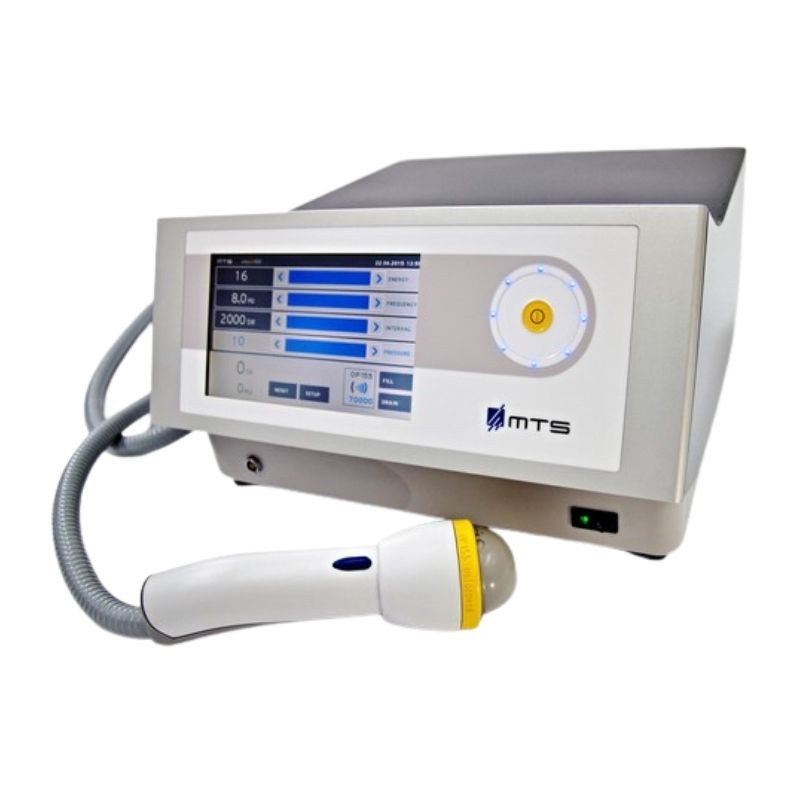
SoftWave Tissue Regeneration Technology delivers low‑intensity, unfocused acoustic waves over a broad area of the affected nerves and tissues. In laboratory and clinical settings, this type of therapy has been shown to:
- Activate resident stem cells and growth factors that help repair damaged nerves and blood vessels
- Modulate inflammation, which is a major driver of neuropathic pain and hypersensitivity
- Improve local blood flow and microcirculation, supporting nerve nutrition and waste removal
- Stimulate nerve fiber regeneration and axonal sprouting, which can support functional recovery over time
For patients with chemotherapy neuropathy, our goals with SoftWave Therapy are to:
- Reduce burning, tingling, or “pins and needles” sensations in hands and feet
- Improve balance, coordination, and confidence walking
- Decrease reliance on pain medications when possible (in partnership with your prescribing doctor)
- Restore quality of life so you can enjoy time with family, work, and daily activities again
While no treatment can guarantee results or fully “reverse” CIPN, early clinical experience and emerging SoftWave case reports suggest many neuropathy patients notice meaningful changes in pain and function after a series of treatments.
Why typical CIPN treatments fall short
Most conventional CIPN treatment plans focus on symptom management rather than nerve repair. This can include:
- Prescription medications like gabapentin or duloxetine
- Topical creams or patches
- Physical therapy and home exercises
- Supplements or vitamins recommended by your care team.
These options can help some patients but often leave others with ongoing pain, numbness, or side effects like fatigue, weight gain, or mental fog. Because of this, many cancer centers – including those studying acupuncture for CIPN – are exploring complementary, non-pharmacologic treatments to improve quality of life.
Non-drug approaches in Cincinnati (and where SoftWave fits)
In Cincinnati, many cancer patients are offered or seek out non-drug options such as:
- Acupuncture to help reduce pain intensity and improve function
- Neuropathy technology programs that promise nerve healing and reduced pain
- Lifestyle changes, exercise, and nutrition plans through survivorship clinics
SoftWave vs other neuropathy options in Cincinnati
What to expect at your Cincinnati SoftWave visit
Your first visit includes:
At‑home and lifestyle guidance
When appropriate, we share simple exercises, footwear tips, and lifestyle strategies that support nerve health and pair well with SoftWave Therapy.
CIPN history and exam
We review your cancer diagnosis, chemotherapy agents, timelines, and current neuropathy symptoms, then perform focused neurological testing of sensation, reflexes, and balance.
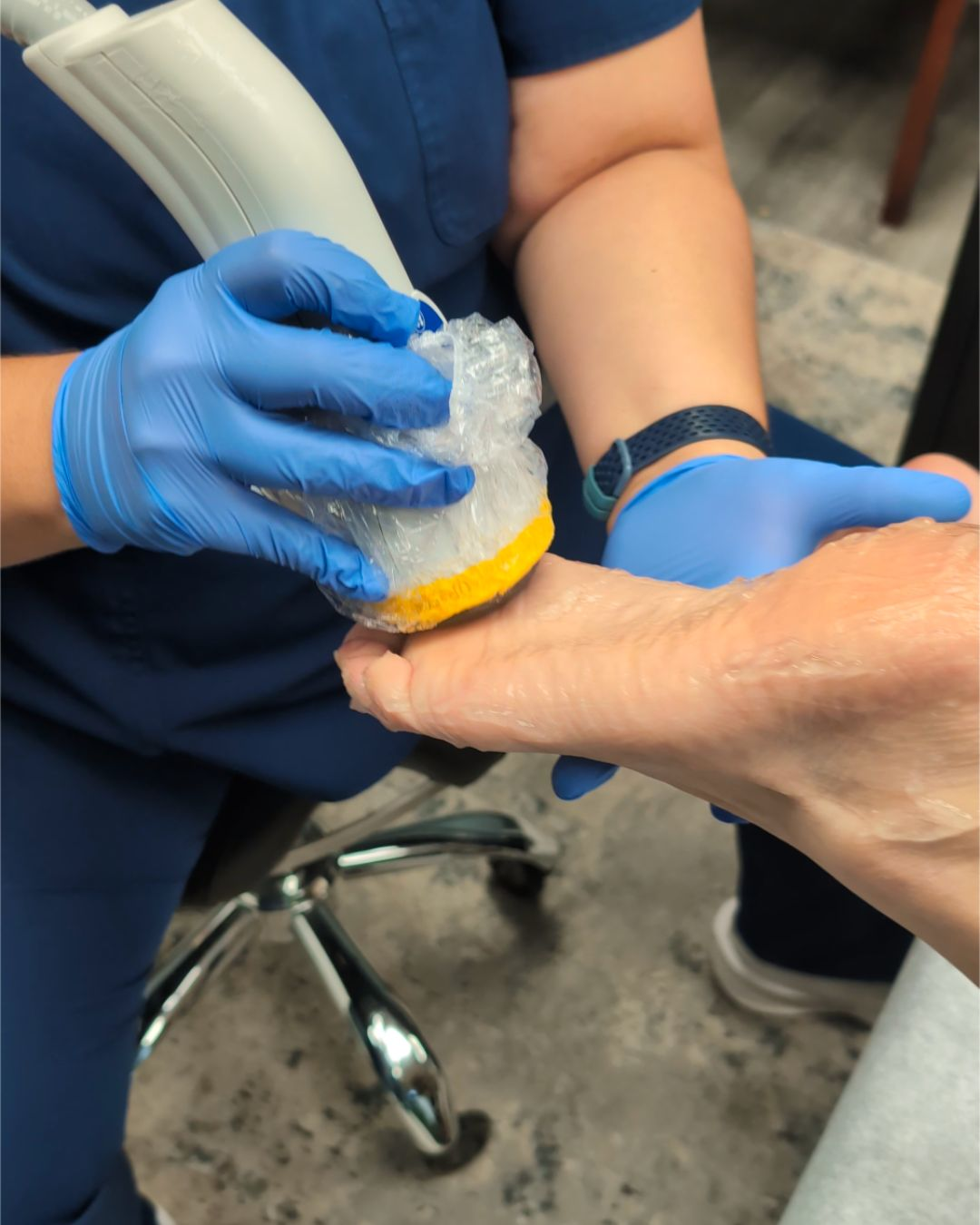
SoftWave mapping session
The SoftWave handpiece is used to gently “map” painful or damaged areas in your feet, legs, hands, or arms, helping us identify the most reactive tissues and nerves.
Personalized care plan
Based on your exam and response to the initial session, we outline a recommended SoftWave treatment schedule, typically starting with a short series of weekly visits and reassessment points.
Cincinnati’s trusted softwave provider
Dr. Faith is a chiropractor at Simply Well Chiropractic in Cincinnati who focuses on helping patients with neuropathy find relief from burning, tingling, and numbness without surgery or long‑term medications. As a certified SoftWave provider, she has extensive experience using this non‑invasive technology to support tissue healing, improve circulation, and calm irritated nerves in the feet, legs, hands, and arms. Over the years, Dr. Faith has helped many Cincinnati patients walk more comfortably, sleep better, and return to daily activities with less nerve pain by combining SoftWave Therapy with personalized, conservative care plans.
Dr. Faith earned her Doctor of Chiropractic degree from Palmer College of Chiropractic in 2022.
She holds Ohio chiropractic license (DC-05144).
Dr. Faith Swartzendruber, DC, integrates her SoftWave Therapy training and chiropractic license with her education background to deliver SoftWave treatments that are both clinically informed and patient-centered.
Dr. Faith has helped hundreds of Cincinnati patients overcome chronic pain with SoftWave Therapy and chiropractic care.
Is SoftWave Therapy safe for cancer survivors?
SoftWave Therapy is noninvasive, does not involve needles, and does not add new medications or supplements to your regimen. Treatments are delivered over the skin and typically last 10–15 minutes for each treated region.
We:
- Review your cancer history, chemotherapy regimen, and current medications before recommending care
- Coordinate with your oncologist or hematologist when needed so treatment aligns with your overall cancer plan
- Avoid treating directly over known tumors or active cancer fields and focus on symptomatic limbs and peripheral nerves, consistent with safety best practices in regenerative therapies
Most patients describe SoftWave sessions as tolerable, with temporary soreness or redness being the most common short‑lived side effects. You remain awake, clothed, and able to communicate with your provider the entire time.

Get Help for Chemotherapy Neuropathy in Cincinnati
You worked hard to get through chemotherapy—you don’t have to accept burning, tingling, or numbness as your new normal. At Simply Well Chiropractic’s Cincinnati SoftWave Therapy clinic, we help patients with chemotherapy-induced peripheral neuropathy pursue less pain, better function, and a more confident daily life.
To schedule your SoftWave Discovery Session for CIPN and learn whether this regenerative therapy is right for you, contact Simply Well Chiropractic in Cincinnati today.

Written and medically reviewed by Dr. Faith Swartzendruber, DC
Ohio Chiropractic License: DC-05144 | Palmer College of Chiropractic
Founder, Simply Well Chiropractic, Cincinnati