
Carpal Tunnel Syndrome Treatment in Cincinnati
Schedule your $49 Discovery Session today!
What is carpal tunnel syndrome?
Carpal tunnel syndrome happens when the median nerve is compressed as it passes through a narrow tunnel of bones and ligaments in your wrist. This tunnel protects the median nerve and flexor tendons that help you bend your fingers and thumb.
When the tissues in this space swell—or the mechanics of your wrist and surrounding joints are off—pressure builds inside the tunnel and irritates the nerve. Over time, this pressure leads to symptoms like tingling, numbness, weakness, and pain in the hand and fingers.
What causes carpal tunnel syndrome?
There is rarely one single cause. Rather, multiple stressors add up over time and irritate the median nerve. Risk factors and common triggers include:
- Repetitive hand and wrist motions (typing, mouse use, assembly line work, tools, musical instruments)
- Awkward wrist positions or prolonged flexed/extended posture
- Prior wrist injuries, fractures, or dislocations
- Systemic health conditions (diabetes, rheumatoid arthritis, thyroid imbalance, obesity, pregnancy‑related fluid retention)
- Smaller carpal tunnel anatomy, which is more common in women
- Possible nerve irritation higher up the chain in the neck or shoulder, contributing to double‑crush syndrome
Our approach is to evaluate both the wrist and the rest of the kinetic chain—neck, shoulder, elbow, and spine—to find all the contributors to your carpal tunnel symptoms.
Common symptoms patients notice
Most of our Cincinnati carpal tunnel patients describe patterns like:
- Tingling, “pins and needles,” or burning in the thumb, index, middle, and part of the ring finger
- Numbness in the hand, especially when holding a phone, steering wheel, or book
- Nighttime pain that wakes you up, forcing you to “shake out” your hands
- Weak grip, dropping objects, or difficulty with fine motor tasks like buttoning clothes
- Sensation that the fingers or hand are swollen—even when they don’t look swollen
- Pain that may radiate from the wrist up the forearm or toward the elbow
Not all wrist or hand pain is carpal tunnel; conditions like neck nerve irritation or ulnar nerve entrapment can mimic it, which is why an accurate diagnosis matters.
Why carpal tunnel needs early treatment

Carpal tunnel often starts with mild, intermittent symptoms but can become chronic and debilitating if the nerve stays compressed. Left untreated, carpal tunnel syndrome can lead to:
- Persistent numbness that doesn’t go away
- Loss of hand strength and muscle wasting at the base of the thumb
- Reduced dexterity and clumsiness with daily tasks
- Potential irreversible median nerve damage
Early, conservative treatment increases the chances of full symptom relief and helps many patients avoid surgery.
SoftWave Therapy for carpal tunnel syndrome
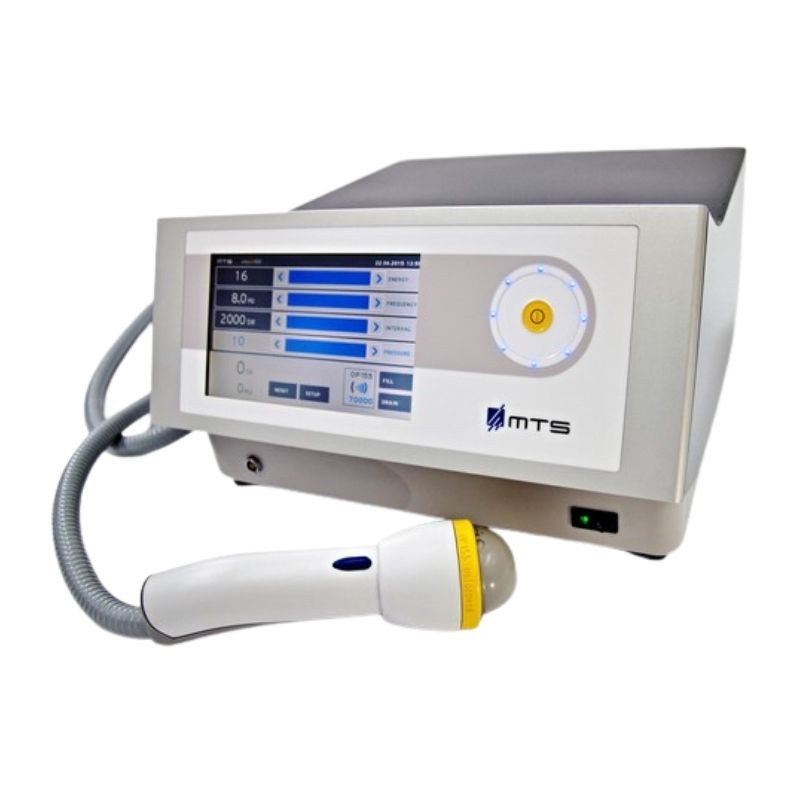
SoftWave Therapy (also called extracorporeal shockwave therapy or ESWT) is a non‑invasive, FDA‑cleared technology that uses unfocused shockwaves to stimulate healing and tissue regeneration.
Unlike older shockwave devices that concentrate energy at a small, painful point, SoftWave’s broad‑focus technology treats a larger area with improved comfort while reaching several inches deep into tissue. For carpal tunnel patients, this allows us to treat the entire carpal tunnel region, surrounding soft tissues, and related structures in a short session.
How SoftWave Therapy works
SoftWave delivers high‑energy sound waves through a handheld applicator and ultrasound gel applied to the wrist and forearm. These waves create controlled micro‑stimulation in the tissues, triggering a cascade of biological responses:
- Increased blood flow and microcirculation, bringing more oxygen and nutrients to irritated tissues
- Reduced inflammation and swelling in and around the carpal tunnel
- Activation of stem cells and growth factors that support tissue repair and remodeling
- Disruption of chronic pain signaling, helping break the pain cycle
Research and clinical use suggest shockwave/SoftWave Therapy can improve symptoms, functional scores, and nerve conduction parameters in patients with carpal tunnel syndrome, including various severity levels.
Benefits of SoftWave Therapy for carpal tunnel
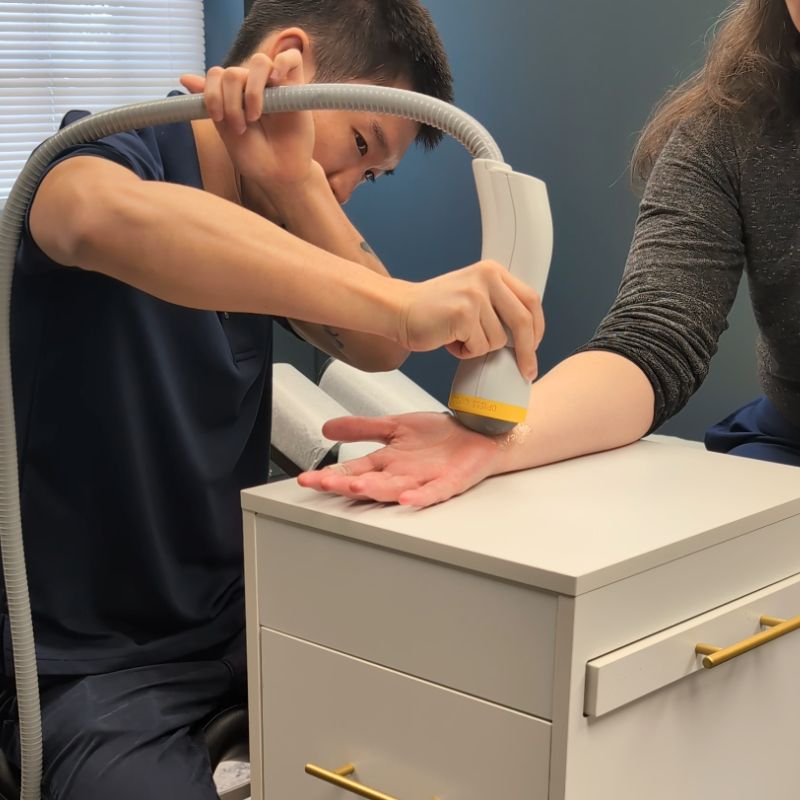
Patients often choose SoftWave Therapy in Cincinnati because it is:
- Non‑surgical
- Injection‑free
- Typically requires no anesthesia or downtime
- Performed in 10–15 minute sessions
- Designed to address the underlying tissue environment, not just mask symptoms
Most patients feel a tapping or pulsing sensation during treatment that is well tolerated. Some notice immediate changes in pain or tingling, while others improve gradually over a series of sessions as tissue healing progresses.
Chiropractic care and carpal tunnel
Many patients with carpal tunnel symptoms also have biomechanical issues in the neck, shoulder, elbow, or wrist that contribute to nerve irritation. Our chiropractors in Cincinnati assess the entire pathway of the median nerve, from the neck down to the wrist.
Your care may include:
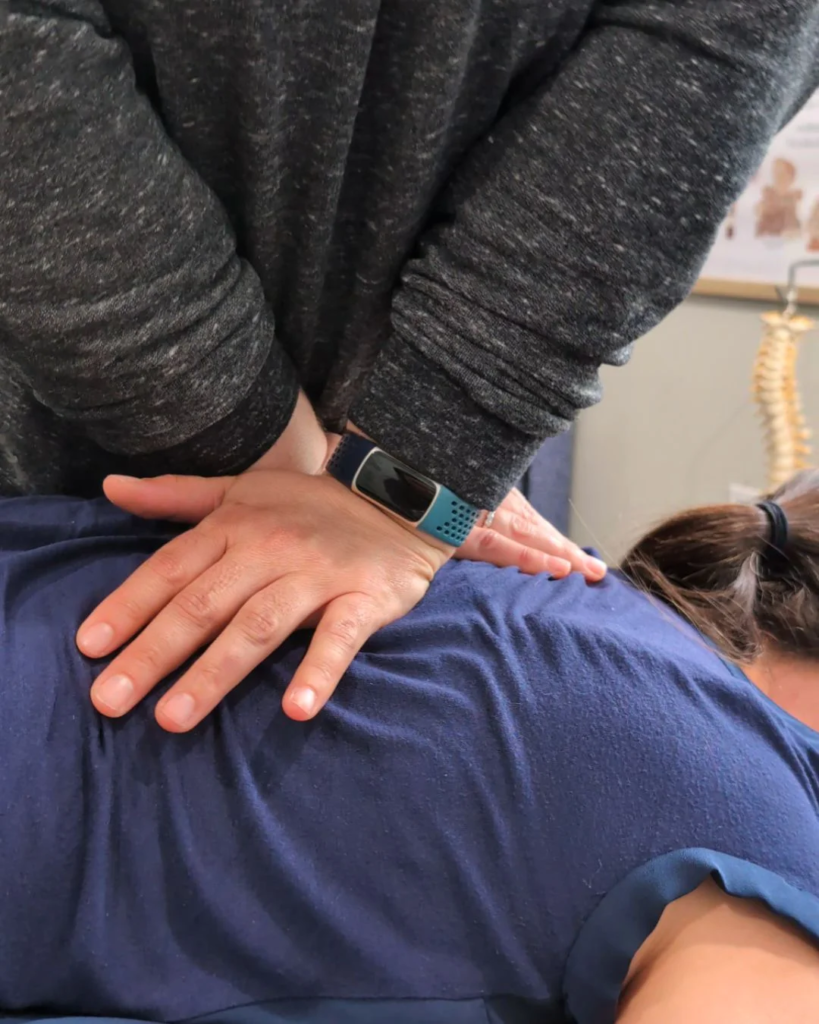
- Gentle spinal and extremity adjustments to improve joint motion and relieve nerve irritation
- Specific adjustments to the wrist bones to optimize tunnel mechanics
- Soft‑tissue therapy for tight muscles and fascia in the forearm, shoulder, and neck
- Postural and ergonomic coaching for desk work, driving, and tool use
Addressing both local wrist compression and upstream nerve tension can improve outcomes and decrease the likelihood of symptoms returning.
What to expect at your Cincinnati carpal tunnel visit
At your first visit, we will:
You’ll have time to ask questions so you can make an informed decision about your carpal tunnel syndrome treatment.
Cincinnati’s trusted softwave provider
Dr. Faith Swartzendruber is a licensed chiropractor and SoftWave Therapy provider in Cincinnati, Ohio, who helps people find relief from carpal tunnel syndrome and persistent wrist or hand pain. She focuses on reducing nerve compression, easing inflammation, and restoring comfortable hand function—without surgery or heavy medications. Using an evidence-informed, personalized approach to care, Dr. Faith combines SoftWave Therapy with targeted chiropractic and rehabilitative strategies to support nerve health, improve mobility, and promote long-term relief and function.
Dr. Faith earned her Doctor of Chiropractic degree from Palmer College of Chiropractic in 2022.
She holds Ohio chiropractic license (DC-05144).
Dr. Faith Swartzendruber, DC, integrates her SoftWave Therapy training and chiropractic license with her education background to deliver SoftWave treatments that are both clinically informed and patient-centered.
Dr. Faith has helped hundreds of Cincinnati patients overcome chronic pain with SoftWave Therapy and chiropractic care.
Take the next step toward relief
If you’re searching for “carpal tunnel syndrome treatment in Cincinnati” because your wrist and hand symptoms are getting in the way of work, hobbies, or sleep, you don’t have to wait for them to get worse.
Contact our Cincinnati office today to schedule a thorough evaluation and learn whether non‑surgical, regenerative SoftWave Therapy—combined with chiropractic and conservative care—can help you avoid or delay carpal tunnel surgery and get back to using your hands confidently again.

Written and medically reviewed by Dr. Faith Swartzendruber, DC
Ohio Chiropractic License: DC-05144 | Palmer College of Chiropractic
Founder, Simply Well Chiropractic, Cincinnati