
Diabetic Neuropathy Treatment in Cincinnati
Schedule your $49 Discovery Session today!
What Is Diabetic Neuropathy?
Diabetic neuropathy is nerve damage caused by high blood sugar over time. When glucose stays elevated, it injures the small blood vessels that feed your nerves and directly harms the nerve fibers themselves. The most common form is diabetic peripheral neuropathy, which typically affects the feet and legs first and can later involve the hands.
Common symptoms include:
- Burning, tingling, or “pins and needles” in the feet and legs
- Numbness or loss of feeling (especially in the toes or soles)
- Sharp, stabbing, or electric-shock-like pain
- Extreme sensitivity to touch—even bedsheets can hurt
- Weakness, unsteady walking, or frequent tripping
- Foot ulcers, slow-healing wounds, or unnoticed injuries
There are also other diabetes-related nerve problems—such as autonomic neuropathy (affecting digestion, blood pressure, bladder, and sexual function) and focal neuropathies (isolated nerve injuries)—but for most patients searching “diabetic neuropathy treatment in Cincinnati,” the primary concern is foot and leg pain, numbness, and the fear of losing mobility.
Signs and Symptoms of Diabetic Neuropathy
Diabetic neuropathy can look different from person to person, but there are common patterns you should watch for, especially in the feet and legs where damage usually starts first.
Sensory (Feeling) Changes
- Burning, tingling, or “pins and needles” in the feet, toes, or legs
- Numbness or reduced ability to feel temperature, pain, or touch
- Sharp, stabbing, or electric-shock–like pains
- Extreme sensitivity to light touch (even socks or bedsheets can hurt)
Motor (Strength and Movement) Changes
- Muscle weakness in the feet or ankles
- Difficulty lifting the front of the foot (foot drop) or frequent tripping
- Cramping in the calves or feet, especially at night
- Loss of coordination or balance, feeling “unsteady” when walking
Autonomic (Automatic Body Function) Changes
- Changes in sweating patterns in the feet or legs (too much or too little)
- Dry, cracking skin on the feet that increases ulcer risk
- Dizziness or lightheadedness when standing up (if autonomic nerves are involved)
- Digestive changes such as bloating, nausea, or constipation in more advanced, widespread neuropathy
Foot and Skin Warning Signs
- Sores, blisters, or cuts on the feet that you didn’t feel happening
- Wounds that heal slowly or keep coming back
- Calluses or pressure spots in areas you don’t feel well
- Changes in foot shape or alignment over time
If you notice several of these symptoms—especially burning, tingling, numbness, or loss of balance—it’s important to talk with your healthcare provider promptly and get a focused foot and nerve evaluation. Early attention gives you the best chance to slow progression and protect your mobility.
Why Traditional Diabetic Neuropathy Treatment Often Feels Incomplete
Standard care for diabetic neuropathy typically focuses on two things:
- Blood sugar management – Essential to slow down further nerve damage. This includes insulin or other medications, nutrition, weight management, and lifestyle changes.
- Symptom control – Medications such as gabapentin, pregabalin, duloxetine, or certain antidepressants and anticonvulsants are often prescribed to dull pain signals.
These tools are important and you should never stop or change them without working directly with your prescribing provider. But many patients tell us they still experience:
- Pain that breaks through their medication
- Side effects like brain fog, fatigue, or dizziness
- Worsening numbness despite “stable” labs
- Ongoing fear of falls, ulcers, and amputation
Research on diabetes-related nerve damage shows that while tighter glucose control is crucial, many patients continue to have symptoms and progressive nerve injury even with guideline-level blood sugar and blood pressure control. That’s why you may feel like you’re “doing everything right” yet still watching your feet get worse.
Our SoftWave Therapy program is designed to complement—not replace—your medical care by directly targeting the nerve tissue and microcirculation in your legs and feet.
How SoftWave Therapy Helps Diabetic Nerve Damage Heal
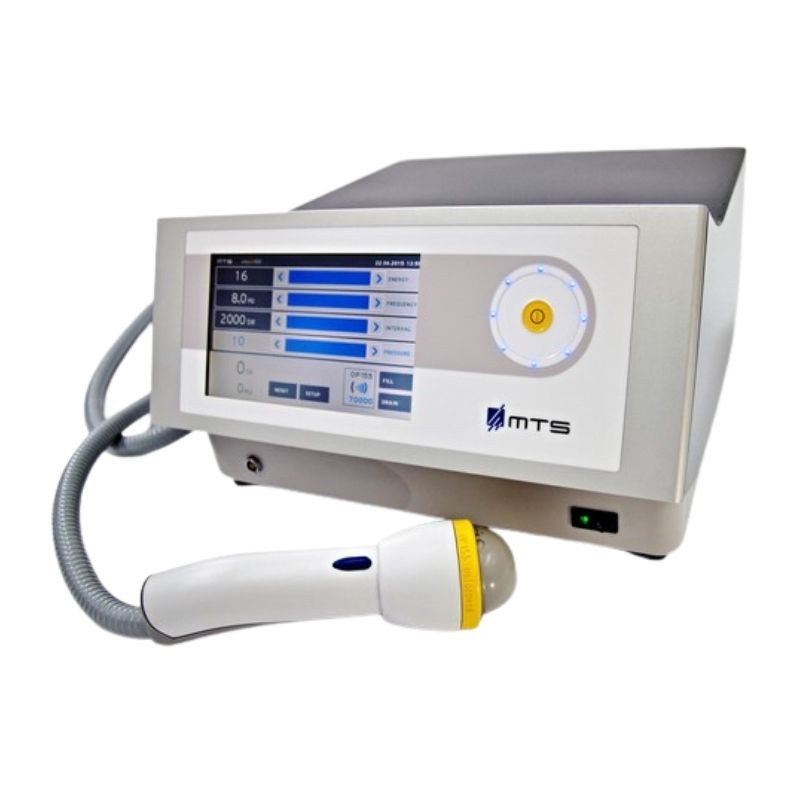
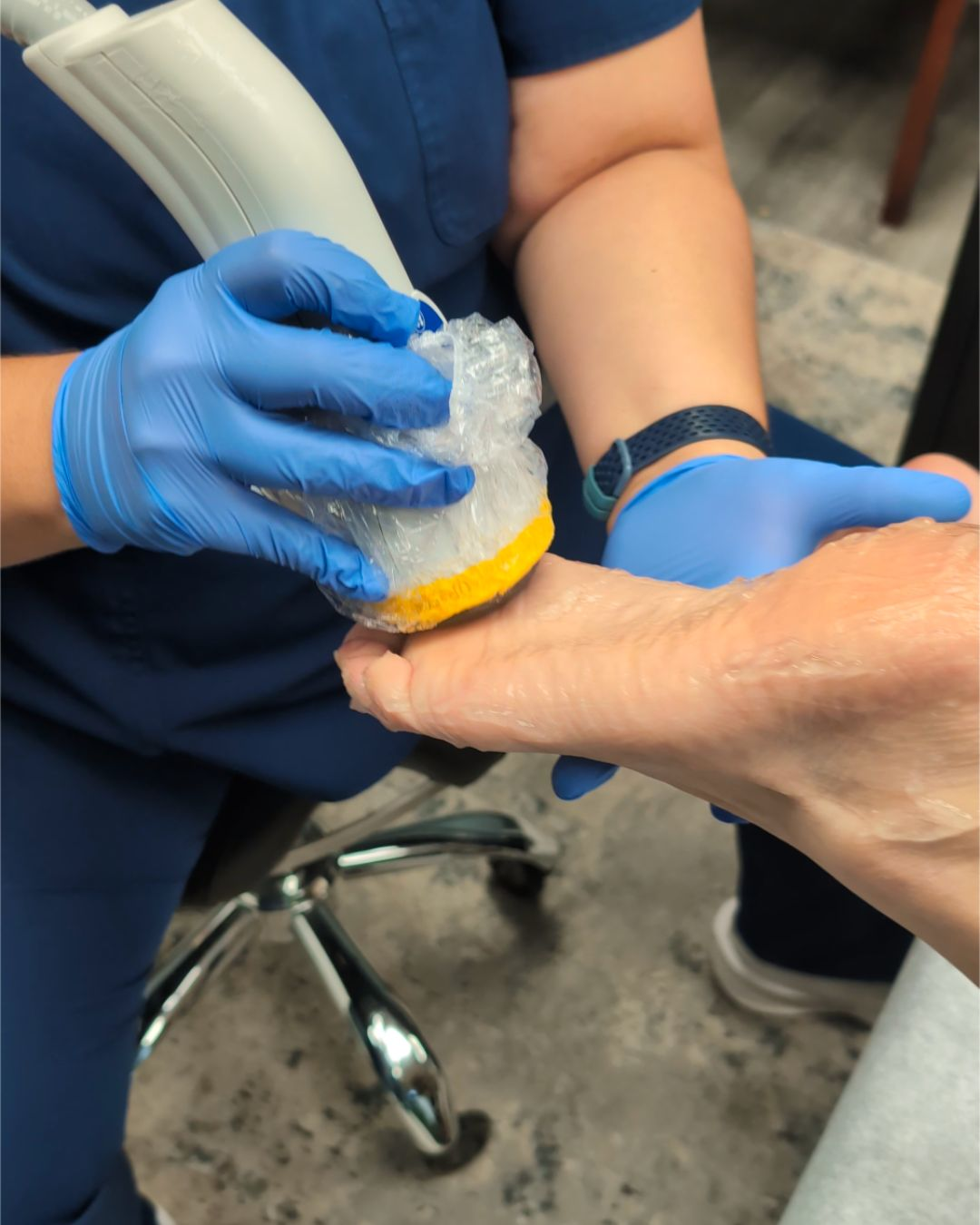
SoftWave Therapy is an FDA-cleared, non-invasive shockwave technology that delivers high-energy acoustic waves through the skin into damaged tissues. Unlike older, focused shockwave devices, SoftWave uses a wide, unfocused wave that penetrates 4–5 inches below the surface to reach deeper structures and larger treatment areas.
Peer-reviewed studies on shockwave technologies similar to SoftWave have shown:
- Significant reductions in pain scores
- Improved microcirculation and tissue oxygenation
- Activation of resident stem cells and release of natural growth factors
- Decreased inflammation and improved tissue remodeling over months
For patients with diabetic peripheral neuropathy, these mechanisms matter because high blood sugar damages the tiny blood vessels that feed your nerves and reduces the nerve’s ability to repair itself. By improving blood flow and triggering regenerative signaling, SoftWave Therapy aims to create a more favorable environment for nerve healing and symptom improvement.
What SoftWave May Help With
While individual results vary, our neuropathy patients most often report:
- Less burning, tingling, and “electric” sensations
- Improved light touch and awareness of the floor under their feet
- More stable balance and confidence when walking
- Less nighttime pain and better sleep quality
- Gradual return of function and stamina in daily activities
Clinical research on shockwave therapy and neuropathy indicates that improvements can continue for months after the last session because stem cell activation and tissue remodeling remain active over time.
Our Diabetic Neuropathy Treatment Process in Cincinnati
Every patient’s diabetes history, medication list, and complication profile is unique. At Simply Well Chiropractic, your neuropathy care starts with a detailed, step-by-step evaluation.
Diabetic Neuropathy Discovery Session
During your first visit, we will:
- Review your medical and diabetes history, including A1c trends and current medications
- Ask about your neuropathy symptoms, timing, and how they affect your life
- Perform a focused nerve and circulation exam of your feet and legs
- Use SoftWave as a diagnostic tool over your painful areas to see how your nerves respond in real time
Most patients feel a clear difference between healthy and damaged tissue during this session, which helps us estimate how likely you are to respond to a full treatment plan.
Personalized SoftWave Treatment Plan
If you’re a good candidate, we’ll design a tailored plan based on your symptom severity, diabetes history, and goals. A typical SoftWave neuropathy protocol may include:
- 1–2 sessions per week at the start
- Gradual spacing out of treatments as your symptoms improve
- Periodic re-exams to track progress in pain, sensation, and function
We also coordinate with your other providers when appropriate, especially if you’re under the care of an endocrinologist, podiatrist, cardiologist, or nephrologist for diabetes-related complications.
Who Is a Good Candidate for SoftWave Neuropathy Treatment?
Not everyone with diabetic neuropathy is a match for this technology, so it’s important to understand who is most likely to benefit from SoftWave neuropathy treatment.
You may be a good candidate if you:
- Have been diagnosed with Type 1 or Type 2 diabetes
- Have burning, tingling, numbness, or pain in your feet, legs, or hands
- Have tried medications, creams, or other therapies without enough relief
- Want a non-invasive option that targets the underlying tissue, not just the symptoms
SoftWave Therapy is not appropriate for everyone. We will not recommend treatment if your evaluation suggests:
- Advanced, non-salvageable tissue damage requiring surgical or urgent medical care
- Infection that needs immediate medical treatment
- Conditions or implanted devices that are contraindicated for shockwave therapy
Schedule Your Diabetic Neuropathy Treatment Consultation in Cincinnati
If you’re tired of being told to “just live with it” or only being offered higher doses of the same medications, it may be time to explore a science-backed regenerative approach. SoftWave Therapy gives many diabetic neuropathy patients in Cincinnati a realistic chance at less pain, better sensation, and more confident movement—without surgery or new prescriptions.
Click “Schedule Now” or call our office to book your Diabetic Neuropathy Discovery Session. You’ll learn whether SoftWave Therapy is a good fit for your specific situation and what a customized treatment plan could look like for you.
You don’t have to accept burning, numb feet as your “new normal.” There are options. And we’re here in Cincinnati to help you explore them.
Is Diabetic Neuropathy Reversible?
Large diabetes centers report that with better blood sugar control, some mild neuropathy symptoms—such as numbness and tingling—can partially improve over about a year, but more severe nerve damage is less likely to fully reverse. The key goals are to:
- Slow or stop further nerve damage
- Improve symptoms and function
- Protect your feet and prevent ulcers and amputations
SoftWave Therapy does not cure diabetes and is not a guarantee of complete neuropathy reversal. Instead, it’s designed to support your body’s healing capacity—by improving microcirculation, reducing local inflammation, and stimulating tissue repair—so that your nerves have a better chance to recover while you continue working with your primary care provider or endocrinologist on blood sugar, blood pressure, and cholesterol targets.
Supportive Strategies for Better Outcomes

SoftWave Therapy works best as part of a comprehensive self-care strategy. While we do not manage your prescriptions or laboratory markers, we strongly encourage you to keep working with your medical team on:
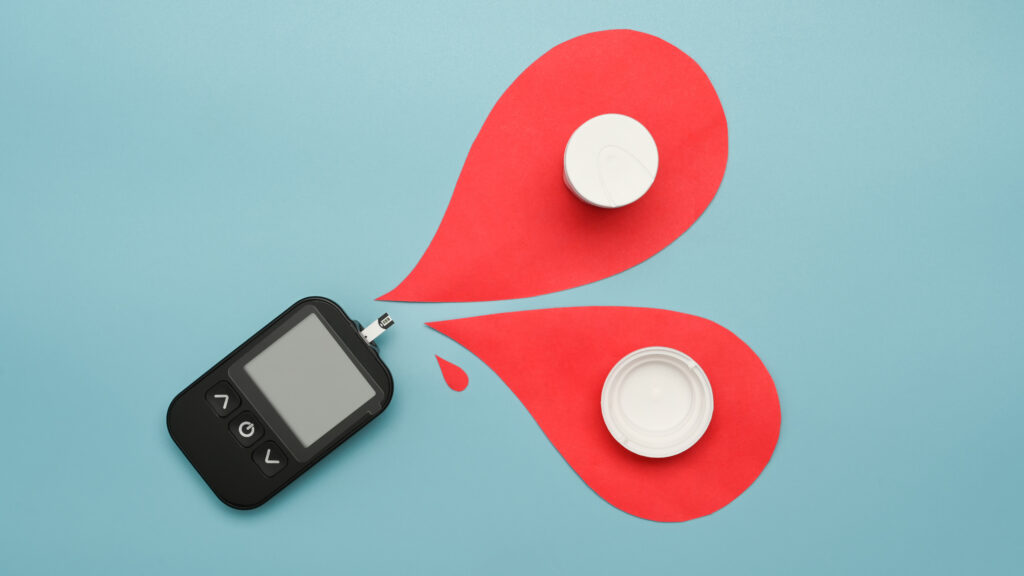
- Blood sugar management (diet, medication, and movement)
- Blood pressure and cholesterol control
- Smoking cessation, if applicable
- Daily foot checks and appropriate footwear
- Prompt treatment of any blisters, cuts, or ulcers
When each part of your care team focuses on their specialty—medical management on metabolic control, and our clinic on local nerve and tissue health—you have a much better chance of staying ahead of neuropathy.
How Red Light Therapy and SoftWave Therapy Work Together
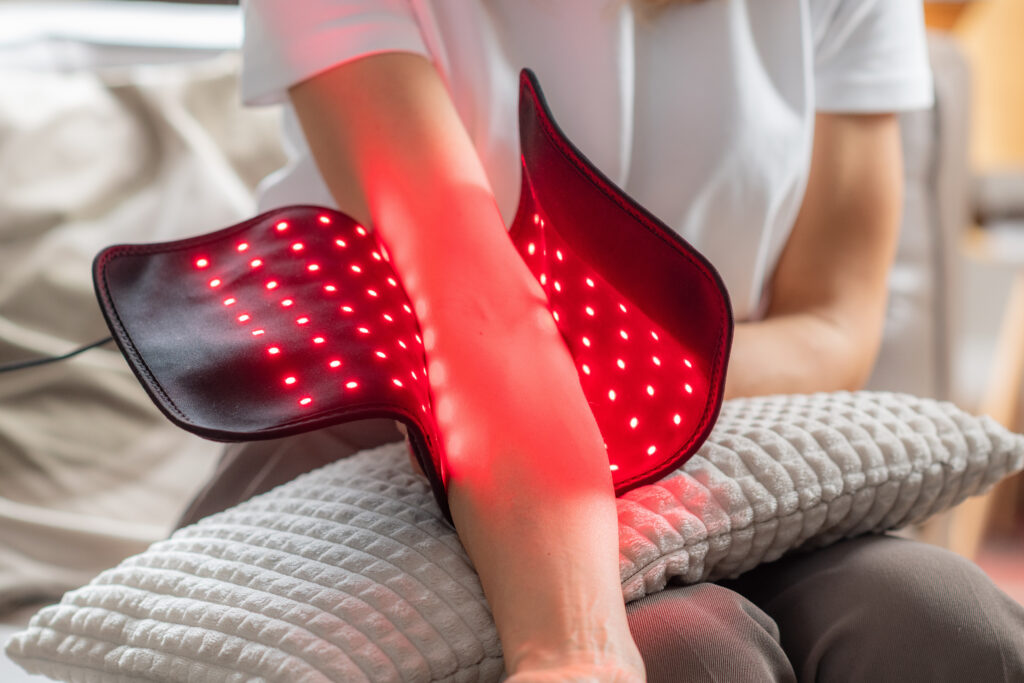
Red light therapy and SoftWave Therapy complement each other by targeting different layers of the healing process. Red light therapy uses specific wavelengths of light to stimulate the mitochondria in your cells, which can boost cellular energy (ATP), support tissue repair, and reduce inflammation in superficial tissues like skin, fascia, and small blood vessels.
SoftWave Therapy, on the other hand, sends acoustic waves deeper into the tissue to trigger stem cell activation, improve microcirculation, and break up areas of chronic inflammation and damage. When we combine these two therapies in a neuropathy plan, SoftWave helps “wake up” deeper, damaged tissues and improve blood flow, while red light therapy supports those same tissues at the cellular level, reinforcing healing signals and energy production.
Cincinnati’s trusted softwave provider
Dr. Faith is a chiropractor at Simply Well Chiropractic in Cincinnati who focuses on helping patients with neuropathy find relief from burning, tingling, and numbness without surgery or long‑term medications. As a certified SoftWave provider, she has extensive experience using this non‑invasive technology to support tissue healing, improve circulation, and calm irritated nerves in the feet, legs, hands, and arms. Over the years, Dr. Faith has helped many Cincinnati patients walk more comfortably, sleep better, and return to daily activities with less nerve pain by combining SoftWave Therapy with personalized, conservative care plans.
Dr. Faith earned her Doctor of Chiropractic degree from Palmer College of Chiropractic in 2022.
She holds Ohio chiropractic license (DC-05144).
Dr. Faith Swartzendruber, DC, integrates her SoftWave Therapy training and chiropractic license with her education background to deliver SoftWave treatments that are both clinically informed and patient-centered.
Dr. Faith has helped hundreds of Cincinnati patients overcome chronic pain with SoftWave Therapy and chiropractic care.
Why Choose Simply Well Chiropractic for Diabetic Neuropathy in Cincinnati?
In Cincinnati, you have options for diabetic neuropathy care—from primary care and endocrinology to podiatry and pain clinics. Here’s what sets our clinic apart for patients seeking regenerative, non-pharmaceutical support:
Specialized SoftWave expertise
We’re one of the few Cincinnati clinics trained to use SoftWave specifically for neuropathy and nerve-related pain conditions.
Whole-person approach
We look beyond “take this pill” and focus on circulation, nerve health, biomechanics, and daily function.
Coordination with your existing providers
We respect your existing diabetes care plan and work alongside your medical team, not in competition with them.
Non-invasive and low downtime
No injections, no surgery, no extended recovery. Most patients walk out of sessions and go right back to their day.
Take the Next Step: Diabetic Neuropathy Relief in Cincinnati
If you’re searching for “diabetic neuropathy treatment Cincinnati,” “burning feet from diabetes,” or “neuropathy doctor near me,” and you want options beyond more medication, we’d love to meet you.
At Simply Well Chiropractic, we offer a SoftWave Neuropathy Discovery Session at our Cincinnati clinic so you can:
- See if your diabetic peripheral neuropathy is a good fit for SoftWave Therapy
- Experience how treatment feels
- Get clear, honest answers about what kind of results are realistic for you
To schedule your Diabetic Neuropathy Discovery Session in Cincinnati, call our office or request an appointment online today. Taking action now can help protect your nerves, reduce pain, and give you more confident steps in the years ahead.
Address
5721 Dragon Way #110, Cincinnati, OH 45227
info@simplywellchiro.com
Phone
(513) 271-1233

Written and medically reviewed by Dr. Faith Swartzendruber, DC
Ohio Chiropractic License: DC-05144 | Palmer College of Chiropractic
Founder, Simply Well Chiropractic, Cincinnati