
ACL, LCL & mcl treatment in cincinnati
Schedule your $49 Discovery Session today!
If you felt or heard a “pop” in your knee, noticed swelling within a few hours, or now feel like your knee might buckle when you walk, you may have injured one of the main stabilizing ligaments in your knee: the ACL, MCL, or LCL. These injuries are common in Cincinnati athletes, runners, weekend warriors, and active adults—and when they are not handled well, they can turn into months or even years of instability and pain, which is exactly what Simply Well Chiropractic is here to help you address.
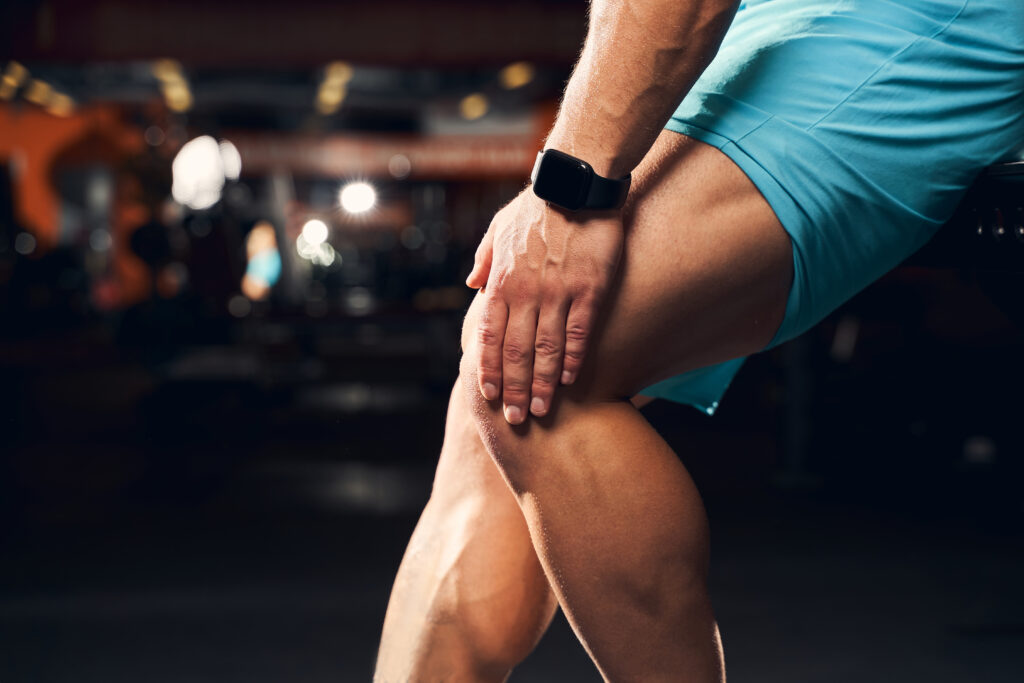
Understanding Your Knee Ligaments: ACL, MCL, and LCL
The knee is a complex hinge joint formed where the thigh bone (femur) meets the shin bone (tibia), supported by cartilage, tendons, and four primary ligaments. Three of these ligaments are especially important for day‑to‑day stability:
- Anterior Cruciate Ligament (ACL) – Runs through the center of the knee and prevents the shin bone from sliding too far forward or rotating excessively. It is one of the most commonly injured ligaments in cutting and pivoting sports such as soccer, basketball, football, skiing, and volleyball.
- Medial Collateral Ligament (MCL) – Sits along the inside of your knee and resists forces pushing the knee inward. It often tears when the outside of the knee is hit, such as during a tackle or collision.
- Lateral Collateral Ligament (LCL) – Supports the outer side of the knee and helps prevent the knee from buckling outward. LCL injuries are less common but can occur when a blow comes from the inside of the knee or when the leg is forced outward.
Injuries to these ligaments are often graded from mild sprains (stretched fibers) to partial tears to complete ruptures, and the right treatment depends heavily on which ligament is involved and how severe the damage is.
Common Causes and Risk Factors for ACL, MCL, and LCL Injuries
Knee ligament injuries can happen during sports, accidents, or routine daily activities. Frequent causes include:
- Sudden changes in direction while the foot is planted, such as cutting or pivoting in soccer, basketball, or football.
- Awkward landings from a jump, especially if the knee collapses inward.
- Direct blows to the outside or inside of the knee, common in contact sports and some workplace accidents.
- Falls from a height or off a ladder.
- High‑energy trauma, such as car accidents, where the front of a bent knee strikes the dashboard.
You may be at higher risk if you:
- Play sports that require cutting, pivoting, and single‑leg landings.
- Have a history of prior knee ligament injury, which increases the likelihood of future tears.
- Are female, as women are several times more likely to experience ACL tears in certain sports.
- Have strength, flexibility, or movement imbalances that load one knee more than the other.

Symptoms of ACL, MCL, and LCL Injuries
Symptoms can appear immediately or within hours after the incident. Common signs include:
- A loud or distinct “pop” at the time of injury, especially with ACL tears.
- Rapid swelling of the knee within the first several hours.
- Pain on the inside of the knee (more typical with MCL injuries) or on the outside of the knee (often LCL injuries).
- A feeling of instability or the knee “giving way” when walking, pivoting, or going down stairs.
- Difficulty fully straightening or bending the knee, or feeling “stuck” or “blocked.”
Because these symptoms can overlap with meniscus tears, bone bruises, or other knee injuries, a proper evaluation is essential.
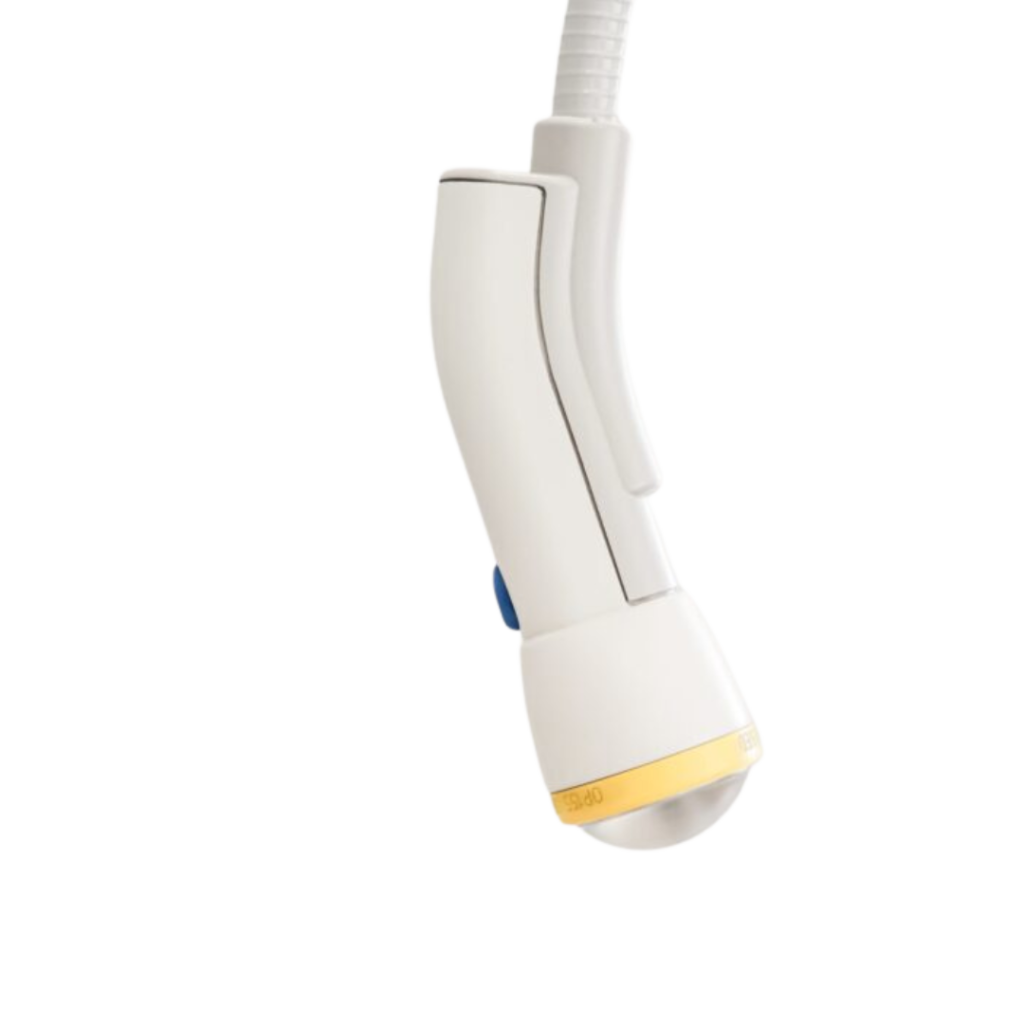
Where SoftWave Therapy Fits in ACL, MCL, and LCL Recovery
SoftWave Therapy is a non‑invasive, unfocused shockwave technology that uses high‑energy acoustic waves to stimulate your body’s own healing processes in injured soft tissues. It does not replace surgery when the ligament is fully ruptured, but it can be a powerful adjunct for partial tears, sprains, and persistent pain after surgery or rehabilitation.
Current research on shockwave‑type therapies shows they can:
- Increase local blood flow and circulation to injured tissues.
- Stimulate biological responses associated with tissue repair and regeneration.
- Help break up scar tissue and adhesions in muscles, tendons, and fascia around the joint.
Applied to ACL, MCL, and LCL injuries, SoftWave Therapy may:
- Decrease pain so you can participate more fully in rehab and daily activities.
- Support healing of partial ligament sprains and surrounding soft tissues in appropriate cases.
- Address stubborn post‑surgical or post‑injury pain and stiffness when traditional care has plateaued.
SoftWave Therapy is delivered in our office without incisions, injections, or anesthesia, and most patients return to regular daily activities shortly after treatment, following their provider’s recommendations.
SoftWave Therapy vs Traditional Knee Ligament Treatments
Patients with ACL, MCL, or LCL injuries are often told they only have two options: rest (and hope) or surgery. In reality, there is a spectrum of care, and SoftWave Therapy can bridge the gap between passive rest and invasive procedures.
For some patients, especially with partial tears or sprains of the MCL or LCL, SoftWave Therapy may help avoid or delay surgery by improving symptoms and function while the body heals. For those who do need ACL reconstruction or multi‑ligament repair, SoftWave can be used pre‑ and post‑operatively to support soft tissue health and recovery under the guidance of your surgical and rehab team.
Who Might Benefit From SoftWave Therapy for Knee Ligament Injuries?
SoftWave Therapy may be appropriate if you:
- Have an ACL, MCL, or LCL sprain or partial tear confirmed by examination or imaging.
- Are still dealing with knee pain, stiffness, or weakness long after an initial ligament injury or surgery.
- Want to explore non‑invasive, non‑pharmaceutical options to support healing and function.
- Are doing physical therapy but feel stuck at a plateau in your progress.
- Are trying to avoid or delay surgery when medically appropriate, after consultation with your orthopedic provider.
Patients with complex, unstable, or emergency injuries—such as complete multi‑ligament tears, fractures, or significant joint dislocations—should be evaluated by an orthopedic surgeon or emergency department first. When SoftWave is not appropriate, we help direct you to the right level of care.
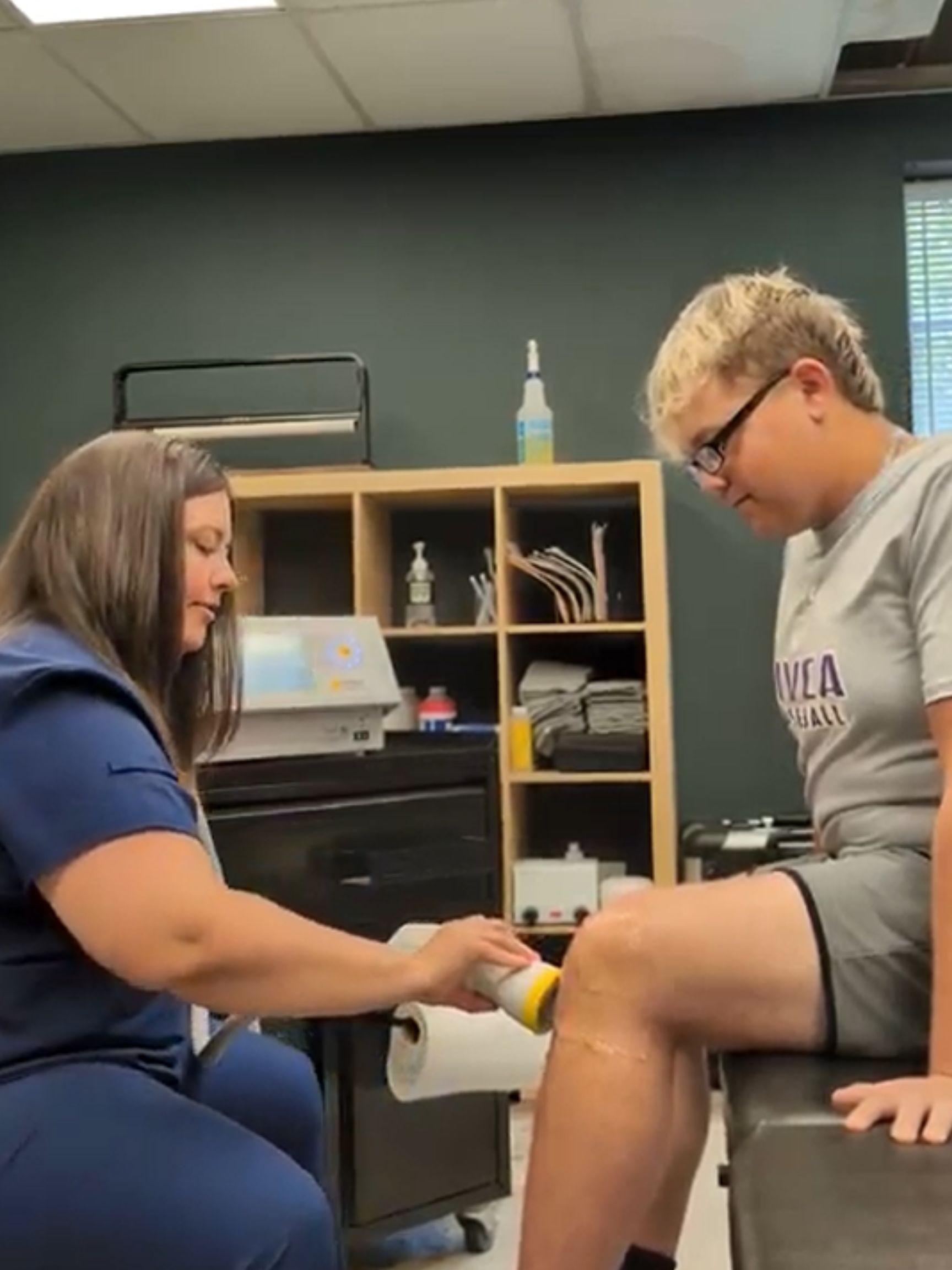
Schedule a softwave Therapy appointment
Don’t let an ACL, MCL, or LCL injury dictate how you move, work, or play—schedule an appointment with Simply Well Chiropractic today to find out whether SoftWave Therapy and customized rehab can help you stabilize your knee and get back to the activities you love.
What to Expect at Your SoftWave Knee Visit
When you come to Simply Well Chiropractic for a knee ligament injury, we follow a clear, step‑by‑step process:
Detailed History and Examination
We’ll ask how your injury happened, what you feel (pop, swelling, instability), and what movements bother your knee the most. We’ll perform a focused orthopedic and functional exam to assess ligament integrity, muscle imbalances, and compensations.
Review of Imaging and Referrals (If Needed)
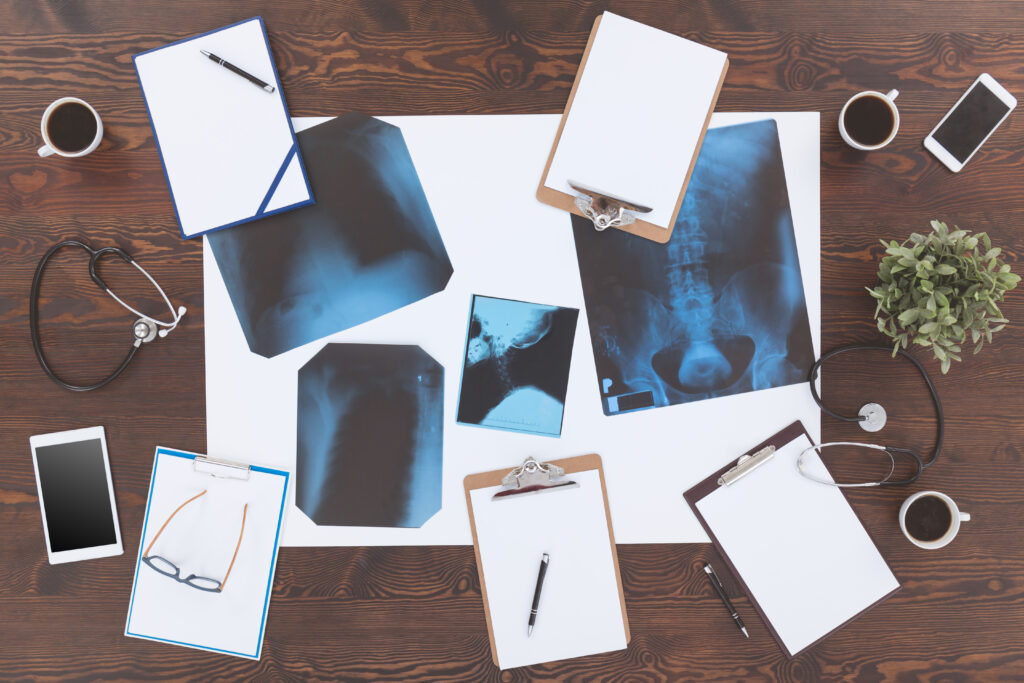
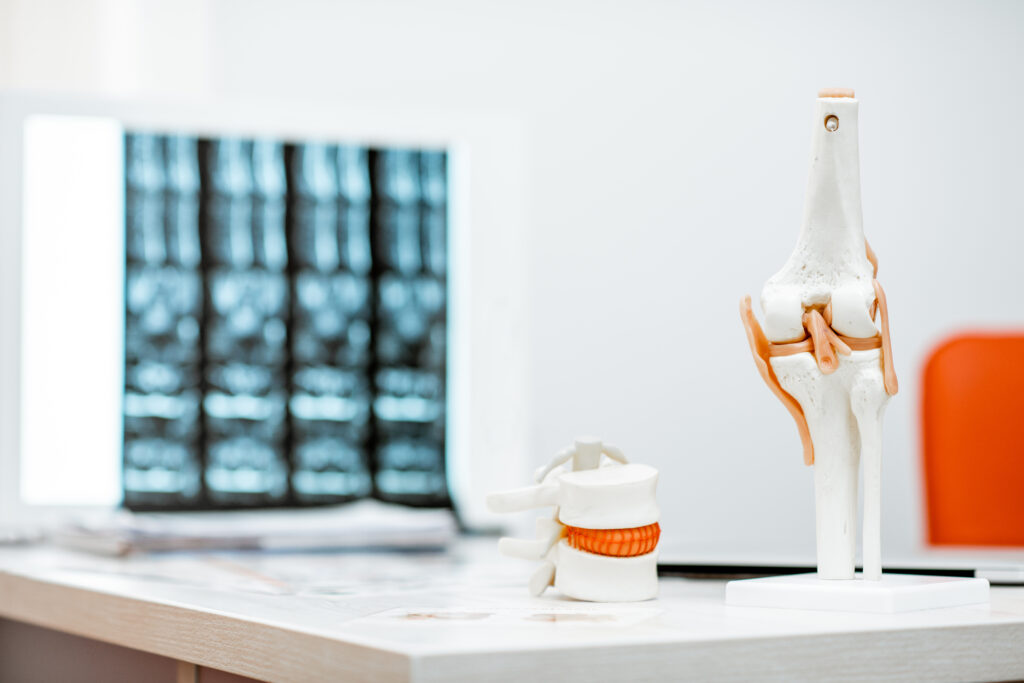
If you already have an MRI or X‑rays, bring them with you. If we suspect a significant or complete ligament tear, we will refer you to a trusted local orthopedic specialist for imaging and co‑management.
Personalized Care Plan
If you’re a good candidate for SoftWave Therapy, we will design a care plan that includes treatment frequency, knee‑specific rehab exercises, and any chiropractic or soft tissue work needed to support your overall alignment and mechanics.

SoftWave Treatment Session
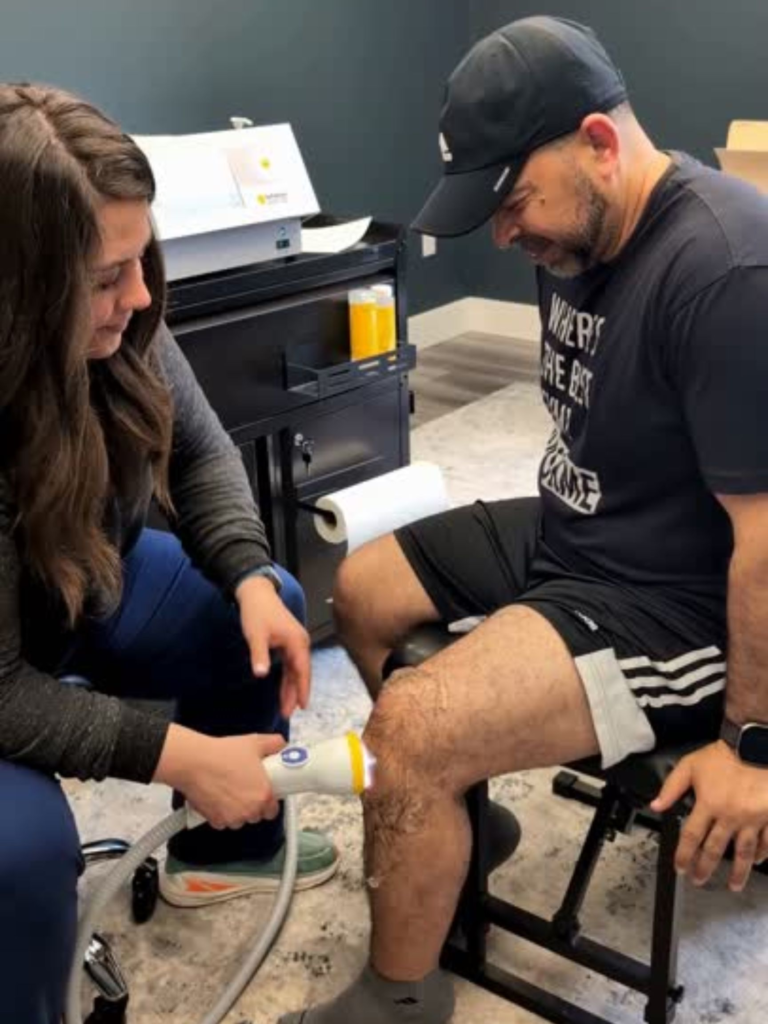
If you already have an MRI or X‑rays, bring them with you. If we suspect a significant or complete ligament tear, we will refer you to a trusted local orthopedic specialist for imaging and co‑management.
Reassessment and Progress Tracking
We regularly reassess pain, range of motion, stability, and function (walking, stairs, squatting, sports‑specific movements) so you can see measurable changes over time.

Cincinnati’s trusted softwave provider
Dr. Faith Swartzendruber is a licensed chiropractor and SoftWave Therapy provider in Cincinnati, Ohio, who helps people recover from ACL, MCL, and LCL injuries. She focuses on reducing pain and inflammation, improving knee stability, and supporting the body’s natural healing process—without surgery or heavy medications. Using an evidence-informed, personalized approach, Dr. Faith combines SoftWave Therapy with targeted chiropractic and rehabilitative care to promote tissue repair, strengthen the knee, and restore long-term mobility and function.
Dr. Faith earned her Doctor of Chiropractic degree from Palmer College of Chiropractic in 2022.
She holds Ohio chiropractic license (DC-05144).
Dr. Faith Swartzendruber, DC, integrates her SoftWave Therapy training and chiropractic license with her education background to deliver SoftWave treatments that are both clinically informed and patient-centered.
Dr. Faith has helped hundreds of Cincinnati patients overcome chronic pain with SoftWave Therapy and chiropractic care.
Schedule a SoftWave Evaluation for Your ACL, MCL, or LCL Injury in Cincinnati
If you suspect a knee ligament injury—or if knee pain and instability are limiting your life long after an ACL, MCL, or LCL sprain or surgery—SoftWave Therapy at Simply Well Chiropractic may be the missing piece in your recovery.
Call our Cincinnati office or request an appointment online today to schedule a SoftWave knee evaluation. We will help you understand your options, coordinate with your other providers when necessary, and create a plan to help you get back to walking, working, and playing with more stability and less pain.

Written and medically reviewed by Dr. Faith Swartzendruber, DC
Ohio Chiropractic License: DC-05144 | Palmer College of Chiropractic
Founder, Simply Well Chiropractic, Cincinnati