Deltoid Strain Treatment in Cincinnati
Schedule your $49 Discovery Session today!
What Is a Deltoid Strain?
A deltoid strain happens when the muscle fibers of your shoulder muscle are overstretched or partially torn. This often follows weightlifting, throwing sports, sudden loading (like catching a heavy object), or trying to push through fatigue at the gym.
Common deltoid strain symptoms include:
- Pain or tenderness on the outside of the shoulder
- Pain when lifting the arm to the side or overhead
- Soreness pressing on the deltoid muscle
- Possible swelling or bruising after a harder injury
- Weakness or fatigue with pushing and pressing movements
If your pain started after a workout, sports, or a sudden strain and mainly sits over the side of your shoulder, it’s reasonable to suspect the deltoid muscle is involved.
Common Symptoms of a Deltoid Strain
Deltoid injuries can feel slightly different from rotator cuff or general shoulder joint problems, but they often overlap. Typical signs include:
Pain or tenderness on the front, side, or back of the shoulder, especially over the “meaty” part of the upper arm.
- Pain when lifting your arm out to the side, straight in front, or overhead.
- Soreness with pushing movements (push‑ups, bench press, overhead press) or throwing.
- Swelling or bruising over the muscle after a more significant strain or tear.
- Morning stiffness or aching after sleeping on the affected shoulder.
- In severe cases, difficulty or inability to lift the arm, with a visible change in the contour of the muscle.
Other shoulder issues—like rotator cuff tears, bursitis, or frozen shoulder—can also cause pain in the deltoid area, which is why an exam is important to pinpoint the true source of the problem.
What Causes Deltoid Strain and Pain?
Many people first notice deltoid pain during and after:
- Weightlifting (especially shoulder presses, bench press, dips, or lateral raises).
- Throwing sports (baseball, softball, football, javelin).
- Overhead work (painting, stocking shelves, manual labor).
- Falls or sudden jerking movements that force the arm unexpectedly.
- Repetitive swimming or overhead stroke sports.
Overuse is one of the most common culprits: repeatedly stressing the deltoid without enough rest inflames and weakens the muscle and its tendon, eventually leading to strain. In some cases, underlying shoulder problems such as rotator cuff injuries, shoulder impingement, or bursitis force the deltoid to overcompensate, creating secondary deltoid pain.
Sleeping directly on an irritated shoulder for hours can also aggravate deltoid pain by increasing pressure on the muscle and surrounding tissues.
Deltoid Strain vs. Rotator Cuff or Other Shoulder Problems
Many patients worry their pain is coming from the rotator cuff, labrum, or arthritis, and they search things like “deltoid strain vs rotator cuff tear.” While only a provider can diagnose the exact source, there are some general patterns:
- Deltoid strain: Pain is usually more on the outer muscle belly and worsens when you press on the muscle itself or use it to lift.
- Rotator cuff or impingement: Pain is often deeper in the joint, accompanied by catching, pinching, or weakness with specific motions.
- Bursitis or arthritis: Pain and stiffness may feel more generalized in the joint and can be worse after inactivity or with certain sleeping positions.
At Simply Well Chiropractic, your exam focuses on which tissues are actually irritated—deltoid, rotator cuff, bursa, or joint—so we can build a plan that targets the right problem.
How SoftWave Therapy Helps Deltoid Strain
SoftWave Therapy is a non‑invasive regenerative treatment that uses broad‑focused acoustic waves to trigger your body’s own healing response in injured soft tissues, including the deltoid muscle and its tendon. Unlike treatments that simply mask pain, SoftWave is designed to stimulate true tissue repair.
Key benefits for deltoid strains and shoulder pain include:
- Increased local blood flow to the injured muscle to deliver oxygen and nutrients needed for healing.
- Activation of dormant stem cells and growth factors that support regeneration of damaged fibers.
- Modulation of inflammation, helping resolve chronic irritation instead of just dampening it temporarily.
- Breakdown of small adhesions and scar tissue that can limit shoulder mobility.
- Pain relief without injections, surgery, or long recovery times.
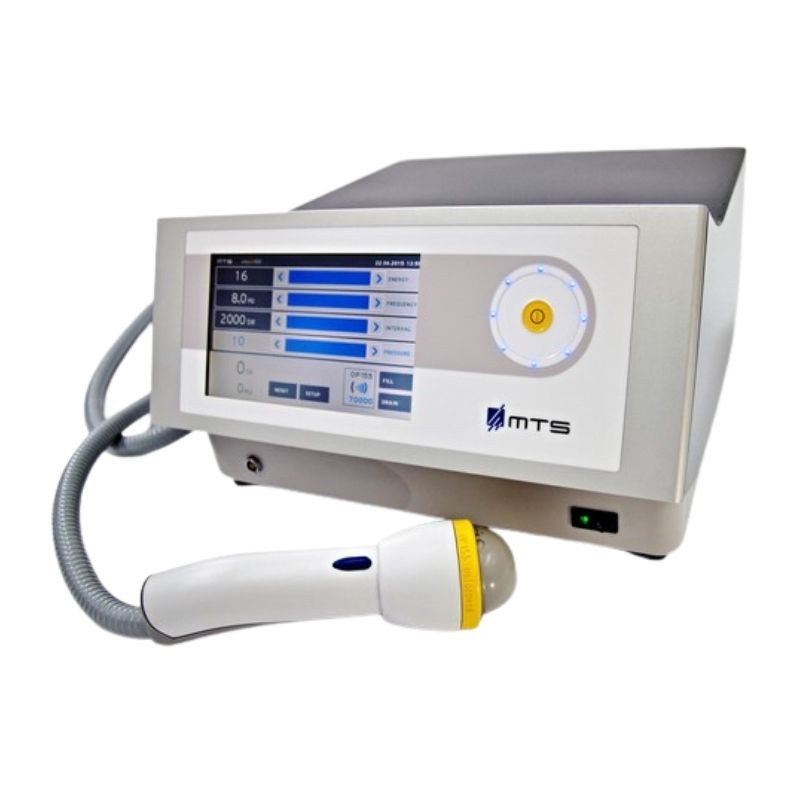
At Simply Well Chiropractic in Cincinnati, we use unfocused electrohydraulic SoftWave technology that penetrates 4–5 inches deep and can efficiently treat the entire deltoid and surrounding shoulder complex in each session. This allows us to address not just the painful area but also the related soft tissues that may be contributing to your strain.
What to Expect from Deltoid Strain Treatment with SoftWave

Discovery Session
Your first visit is a focused Discovery Session to confirm whether SoftWave is appropriate for your shoulder and deltoid strain. During this appointment, we:
- Take a detailed history of how your pain started, what makes it worse, and what you’ve already tried.
- Perform a hands‑on shoulder and deltoid exam to identify which fibers are involved and rule out more serious injuries.
- Use the SoftWave handpiece diagnostically over the deltoid and surrounding tissues; areas of damaged or inflamed tissue typically feel more tender or “sharp” when stimulated.
This diagnostic step helps map the true source of your pain and guides a precise treatment plan.
The SoftWave Treatment Session
Each SoftWave session for deltoid strain typically lasts about 10 minutes and follows a consistent process:
- Ultrasound gel is applied over the shoulder and upper arm to improve comfort and conductivity.
- The SoftWave applicator is moved over the deltoid muscle, its tendon attachment points, and any related shoulder structures.
- You may feel a tapping or pulsing sensation that can be more intense over problem areas, often decreasing as the tissue begins to respond.
- There is no anesthesia, cutting, or injections, and you can walk out and resume normal daily activities right away.
Most care plans begin with more frequent visits (for example, one to two times per week for the first few weeks) and then taper as healing progresses and symptoms decrease.
We’re ready to help you with your deltoid pain
You should schedule an evaluation if:
- Shoulder or deltoid pain has lasted more than 1–2 weeks
- You have trouble lifting your arm, carrying objects, or doing overhead work
- Pain is interrupting sleep or limiting workouts and sports
- You’ve tried rest, ice, or basic stretching and it isn’t improving
Simply Well Chiropractic cares for patients throughout Cincinnati who want a non‑invasive, regenerative approach to shoulder and deltoid pain using SoftWave Therapy.
Cincinnati’s trusted softwave provider
Dr. Faith is a chiropractor at Simply Well Chiropractic in Cincinnati who focuses on helping patients relieve stubborn deltoid and shoulder pain so they can move more comfortably without surgery or long‑term medications. As a certified SoftWave provider, Dr. Faith has extensive experience using this non‑invasive technology to support tissue healing, calm inflammation, and improve mobility in irritated deltoid and rotator cuff tissues. Over the years, she has helped many Cincinnati patients return to lifting, reaching, exercise, and daily activities with less shoulder pain by combining SoftWave Therapy with personalized, conservative care plans.
Dr. Faith earned her Doctor of Chiropractic degree from Palmer College of Chiropractic in 2022.
She holds Ohio chiropractic license (DC-05144).
Dr. Faith Swartzendruber, DC, integrates her SoftWave Therapy training and chiropractic license with her education background to deliver SoftWave treatments that are both clinically informed and patient-centered.
Dr. Faith has helped hundreds of Cincinnati patients overcome chronic pain with SoftWave Therapy and chiropractic care.
How SoftWave Complements Other Deltoid Strain Treatments
SoftWave Therapy integrates smoothly with a well‑rounded deltoid strain plan that may also include:

- Guided activity modification, so you can stay as active as safely possible while still allowing the deltoid to heal.
- Progressive exercises to restore range of motion, followed by careful strengthening of the anterior, middle, and posterior deltoid as your pain improves.
- Posture and scapular stability work to offload the deltoid and prevent repeat strain.

By improving circulation, reducing pain, and promoting tissue repair, SoftWave often allows patients to tolerate therapeutic exercises sooner and with less discomfort, which can shorten overall recovery time and reduce the risk of chronic, recurring shoulder issues.
Home Care Tips While Your Deltoid Heals
While receiving care in our Cincinnati office, you can support your progress at home by following evidence‑based recommendations:
Use relative rest: Avoid or scale back the specific movements and loads that provoke your pain, especially heavy overhead lifting and repetitive throwing.
Apply ice in the first days after a flare‑up, 10–15 minutes at a time, a few times per day, to help with pain and swelling.
Sleep on your back or the opposite side, using pillows to keep pressure off the injured shoulder.
Warm up thoroughly and stretch your shoulders before returning to higher‑demand activity, paying special attention to the deltoid and surrounding muscles.
As pain decreases, gentle deltoid and shoulder‑friendly exercises—such as pendulum swings, cross‑body stretches, and low‑load arm raises within a comfortable range—can help restore motion and reduce stiffness.

Written and medically reviewed by Dr. Faith Swartzendruber, DC
Ohio Chiropractic License: DC-05144 | Palmer College of Chiropractic
Founder, Simply Well Chiropractic, Cincinnati