Radial Tunnel Syndrome Treatment in Cincinnati
Schedule your $49 Discovery Session today!
What Is Radial Tunnel Syndrome?
Radial tunnel syndrome happens when the radial nerve gets pinched or compressed as it passes through a narrow “tunnel” of muscles and tendons on the top of your forearm, just below the elbow. Tightness, swelling, or irritation in this tunnel increases pressure on the nerve and leads to pain and weakness in the arm.
Commonly, the radial nerve is stressed by:
- Repetitive forearm and wrist motions (typing, screw‑driving, tools, assembly work)
- Heavy push‑and‑pull activities (throwing, lifting, sports, manual labor)
- Excessive gripping or bending at the wrist
- Direct blows or trauma around the outside of the elbow or forearm
Radial tunnel syndrome can overlap with or be mistaken for tennis elbow (lateral epicondylitis), which is why a careful exam matters.
Common Symptoms of Radial Tunnel Syndrome
Radial tunnel symptoms usually center around the outside of the elbow and top of the forearm rather than the hand. You may notice:
- Deep, aching pain on the top/back of the forearm, often a few inches below the elbow
- Dull, burning, or nagging forearm pain that can radiate toward the wrist
- Pain with rotating your forearm (turning a doorknob, using a screwdriver, turning a key)
- Pain with straightening the wrist or extending the elbow
- Pain that worsens at night or the day after heavy use
- Weakness with gripping, lifting, or straightening the wrist because of pain
In more advanced cases, the nerve irritation may contribute to noticeable weakness and difficulty keeping the wrist lifted (sometimes called “wrist drop”).
If these symptoms sound familiar and have not improved with rest, it is important to be evaluated early so you can avoid long‑term nerve irritation.
Traditional Treatment Options (and Their Limits)
Conventional care usually starts with activity changes and basic conservative measures. These may include:
- Resting or modifying the movements that trigger your pain
- Over‑the‑counter anti‑inflammatory medications (NSAIDs)
- Wrist and/or elbow splinting, especially at night, to reduce stress on the radial nerve
- Ice or heat, as tolerated, to manage irritation
- Physical therapy exercises to gently stretch and strengthen the muscles around the nerve
- Corticosteroid injections around the nerve to temporarily reduce inflammation and help confirm the diagnosis.
If months of non‑surgical care fail, some patients are offered radial tunnel release surgery, where the surgeon opens the tunnel and removes tight tissue pressing on the nerve. Surgical results are mixed, with studies suggesting that about 60–80% of patients have good outcomes, but many still report lingering symptoms afterwards.
Because of these limitations, more people are looking for non‑surgical treatments that do more than mask pain and that help promote true tissue and nerve healing.
How SoftWave Therapy Helps Radial Tunnel Syndrome
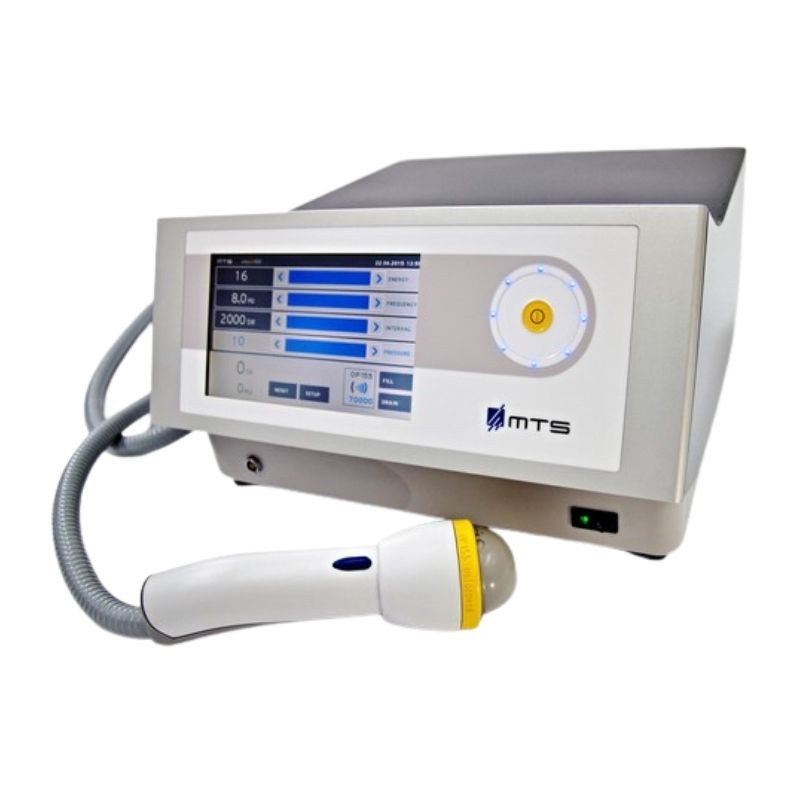
SoftWave Therapy is an advanced form of unfocused electrohydraulic acoustic wave treatment that uses sound waves—not injections or surgery—to stimulate your body’s own healing response. Unlike older “radial” shockwave devices that concentrate energy in a small, superficial area, SoftWave spreads energy over a larger volume of tissue while still reaching 4–5 inches deep.
This broader, deeper reach matters in conditions like radial tunnel syndrome, where multiple layers of muscles and fascial bands can be contributing to nerve compression. By treating the entire region around the nerve, SoftWave aims to improve circulation, reduce chronic inflammation, and support tissue repair in the muscles and connective tissue that form the tunnel.
Research and clinical experience with SoftWave and related technologies show that acoustic wave therapy can:
- Increase blood flow and promote growth of new blood vessels in injured tissues
- Reduce chronic, low‑grade inflammation that keeps tissues irritated and painful
- Stimulate dormant stem cells and growth factors, encouraging real tissue regeneration rather than just short‑term pain relief
- Improve flexibility and function in tendons and soft tissues, which can reduce mechanical pressure on nearby nerves.
In hand and wrist conditions specifically, SoftWave has been shown to provide meaningful improvement in pain, function, and nerve parameters in conditions like carpal tunnel syndrome, suggesting similar potential benefits where nerves are trapped in tight tissue spaces.
What a SoftWave Treatment Plan Looks Like

Your radial tunnel care at Simply Well Chiropractic starts with a detailed evaluation to confirm the diagnosis and identify any overlapping issues (such as tennis elbow, shoulder mechanics, or neck‑related nerve irritation). From there, we build a customized plan that often includes SoftWave Therapy as the cornerstone, along with targeted rehab.
A typical SoftWave‑centered approach may include:
- SoftWave sessions:
- Supportive care:
- Gentle activity modifications so you are not re‑irritating the nerve while it heals
- Rehab exercises designed to gradually restore strength, mobility, and nerve glide without overloading the radial tunnel
- Ergonomic and sport‑specific recommendations (keyboard positioning, tool grip, tennis or pickleball mechanics, etc.).
SoftWave’s regenerative effects continue for weeks to months after the last session as blood flow improves and stem cells remain active, which is why many patients keep noticing gains even after finishing the treatment plan.
Why Choose Our Cincinnati Clinic for Radial Tunnel Syndrome?
Patients in Cincinnati and Northern Kentucky have access to many providers for nerve injuries in the hand and wrist, including major orthopedic groups. What sets our clinic apart is our emphasis on non‑surgical, regenerative, and chiropractic‑led care that aims to fix the underlying tissue environment around the nerve—not just reduce pain temporarily.
When you choose our practice for radial tunnel syndrome treatment in Cincinnati, you get:
Our goal is simple: help you avoid unnecessary surgery when possible, get you out of pain, and return you to your daily activities with confidence.
When to Seek Radial Tunnel Treatment in Cincinnati
You should consider an evaluation for radial tunnel syndrome if:
- Elbow and forearm pain has lasted more than a few weeks and is not improving with basic rest
- Pain limits your work, lifting, or sports, or wakes you at night
- You notice weakness, dropping objects, or difficulty keeping your wrist lifted
- Other treatments (medications, bracing, injections, PT alone) have not delivered lasting relief.
Early intervention may shorten your recovery and reduce the chance of long‑term nerve irritation. If we determine that your condition is better suited to a different specialist, we will discuss that honestly and coordinate care.
Cincinnati’s trusted softwave provider
Dr. Faith Swartzendruber is a licensed chiropractor and SoftWave Therapy provider in Cincinnati, Ohio, who helps people find relief from radial tunnel syndrome and lingering forearm or elbow pain. She focuses on reducing nerve irritation, easing muscle tension, and restoring pain-free movement—without surgery or heavy medications. Using an evidence-informed, personalized approach, Dr. Faith combines SoftWave Therapy with targeted chiropractic and rehabilitative care to support nerve healing, improve arm strength, and promote lasting relief and function.
Dr. Faith earned her Doctor of Chiropractic degree from Palmer College of Chiropractic in 2022.
She holds Ohio chiropractic license (DC-05144).
Dr. Faith Swartzendruber, DC, integrates her SoftWave Therapy training and chiropractic license with her education background to deliver SoftWave treatments that are both clinically informed and patient-centered.
Dr. Faith has helped hundreds of Cincinnati patients overcome chronic pain with SoftWave Therapy and chiropractic care.
Schedule a Radial Tunnel Evaluation in Cincinnati
If you are searching for “radial tunnel syndrome treatment in Cincinnati,” you are likely ready for answers—not just another brace or pill. At our Cincinnati SoftWave Therapy clinic, we offer a thorough evaluation and a non‑surgical treatment plan built around your goals.
Call our office or request an appointment online today to find out whether SoftWave Therapy and our integrative approach are right for your radial tunnel syndrome.

Written and medically reviewed by Dr. Faith Swartzendruber, DC
Ohio Chiropractic License: DC-05144 | Palmer College of Chiropractic
Founder, Simply Well Chiropractic, Cincinnati