Cortisone Shots vs. SoftWave Therapy in Cincinnati: Hidden Risks, Real Healing, and How to Choose What’s Right for You
Get to know more about cortisone shots
Are you among the millions of people who’ve been told that cortisone shots are a safe, effective solution for your chronic pain? You’re not alone. Many patients undergo these injections believing they’re receiving harmless treatment, unaware that they might be unknowingly putting aspects of their health at risk. The truth is, while cortisone shots may temporarily mask your pain, they come with side effects that many healthcare providers don’t fully discuss.
Cortisone shots, also known as corticosteroid injections, are widely used to relieve pain and inflammation. They are generally considered a safe and effective short-term treatment option, but there are important considerations and potential risks that patients should be aware of.
Quick overview: cortisone vs. SoftWave Therapy
- Cortisone shots (corticosteroid injections) quickly reduce inflammation and pain, but they do not heal damaged tissue and can accelerate degeneration when repeated.
- SoftWave Therapy uses unfocused extracorporeal shockwaves to trigger a natural healing response—improving blood flow, calming chronic inflammation, and stimulating tissue repair.
- For most chronic joint and tendon issues, SoftWave aims at long‑term function and tissue quality, while cortisone focuses on short‑term symptom control.
What cortisone shots actually are
Cortisone shots are injections of a powerful synthetic corticosteroid directly into a painful or inflamed area, such as a knee, shoulder, hip, or around a tendon. They are widely used for:
- Arthritis and joint pain
- Bursitis and tendonitis
- Plantar fasciitis and heel pain
- Shoulder, hip, and spine pain flares
Because cortisone is such a strong anti‑inflammatory, many people experience noticeable relief within a few days, sometimes lasting several weeks to a few months. That makes these injections appealing when pain is disrupting sleep, work, or basic daily activities.
The key question is not whether cortisone can reduce pain—it often can—but what it costs your body long term
The benefits of cortisone shots
When used carefully and sparingly, cortisone shots have a legitimate role in pain management.
Fast symptom relief: For severe pain, being able to walk, work, or participate in physical therapy again can be life‑changing in the short term.
Targeted anti‑inflammatory effect: Injecting the medication directly into the painful area can calm a significant inflammatory flare when other options (rest, ice, oral meds) are not enough.
Widely available and often covered: Cortisone injections are common in orthopedic and pain management offices and are frequently covered by insurance.
For some patients, a single, carefully‑timed shot used as part of a broader rehabilitation plan can be reasonable. The concern arises when cortisone becomes the primary—and repeated—strategy.
The hidden side effects of repeated cortisone shots
Most patients are told about temporary soreness or a brief “cortisone flare.” Fewer are told about what may be happening quietly to cartilage, bone, and tendon structure underneath.
Short‑term side effects you might notice
- Temporary spike in pain or swelling (“cortisone flare”)
- Skin thinning or discoloration at the injection site
- Facial flushing
- Short‑term rise in blood sugar (especially for people with diabetes)
- Trouble sleeping for a few days
These often resolve quickly. The more serious concerns are cumulative.
Long‑term and structural risks
Research and clinical experience suggest the following risks increase as injections are repeated in the same region:
- Tendon weakening and rupture: Corticosteroids can reduce tendon strength and quality over time, raising the chance of a partial or full tear—especially in load‑bearing structures like the Achilles tendon or rotator cuff.
- Cartilage thinning and joint degeneration: Repeated intra‑articular injections may accelerate cartilage breakdown, potentially speeding progression of osteoarthritis and moving patients closer to joint replacement.
- Bone and joint changes: In rare cases, corticosteroids have been linked to osteonecrosis (death of bone tissue) and stress‑type fractures under joint surfaces.
- Systemic hormonal and immune effects: Cortisone can enter the bloodstream, temporarily suppressing immune function and affecting the hypothalamic‑pituitary‑adrenal (HPA) axis, which can contribute to fatigue, blood pressure changes, and other systemic symptoms in susceptible patients.
- Infection risk: Any injection into a joint or tissue carries a small but real risk of infection.
Because of these risks, many medical providers limit the number of cortisone injections in a single joint to just a few per year. What often isn’t emphasized is that each shot can still come at a structural cost.
Why “pain free” is not the same as “healed”
Cortisone works by suppressing the inflammatory signals that make tissues painful and swollen. In the short term, that feels like healing. The underlying problem, however, is usually still there:
- The tendon fibers are still frayed.
- The cartilage is still thinned or overloaded.
- The joint mechanics and movement patterns are still off.
With less pain acting as a warning signal, it’s easy to do more than the tissue can handle, which can accelerate wear and tear. This is one reason some people feel great after a cortisone shot, push hard, and then “suddenly” end up with a tear or severe flare later.
SoftWave Therapy takes the opposite approach: it temporarily increases cellular activity and a controlled inflammatory response in order to drive actual tissue repair.
What is SoftWave Therapy?
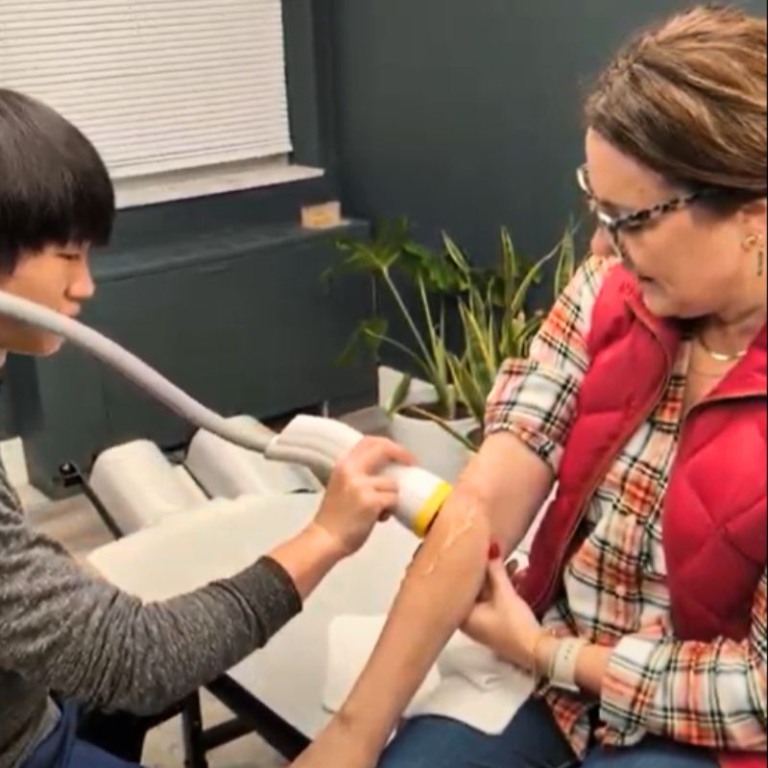
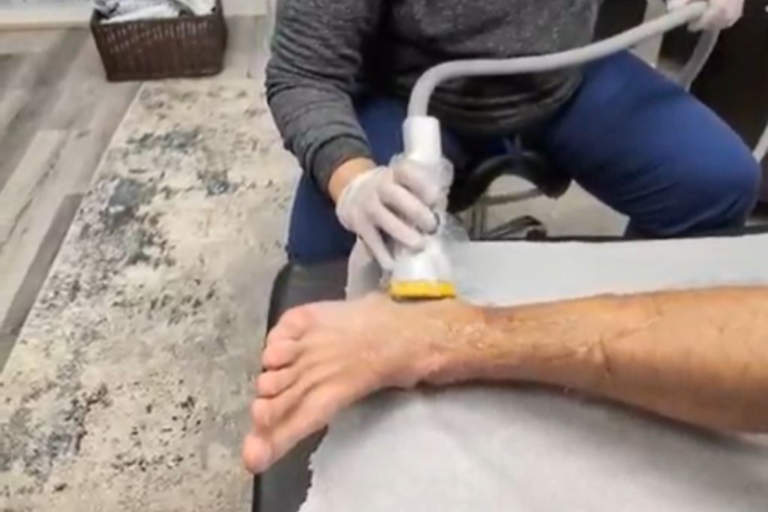
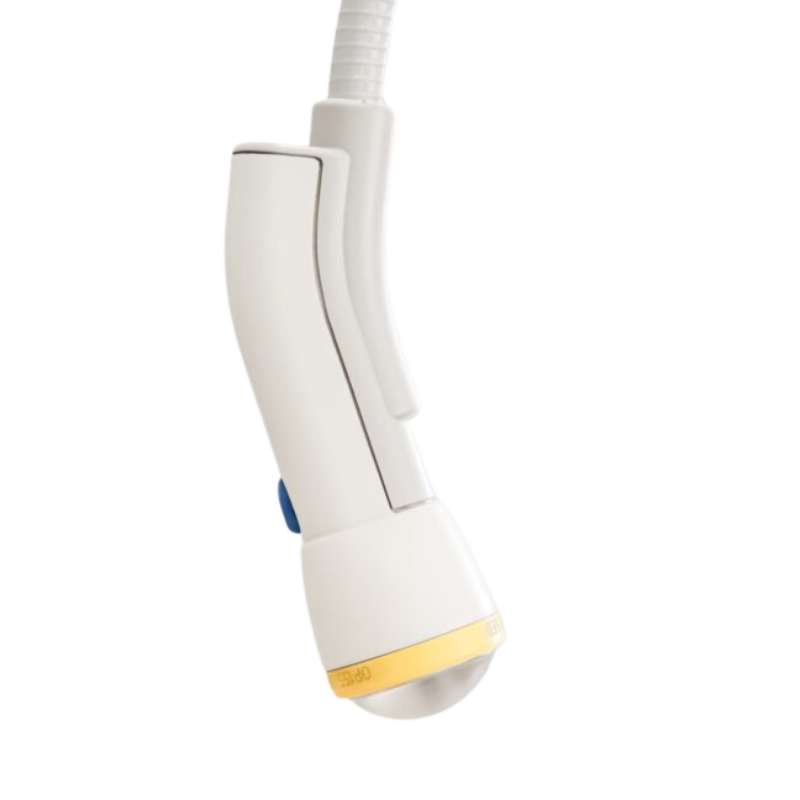
SoftWave Therapy is an FDA‑cleared, non‑invasive treatment that uses unfocused extracorporeal shockwaves—supersonic acoustic waves—to stimulate the body’s natural healing processes. Unlike older, focused shockwave technologies that concentrate energy in a small pinpoint, SoftWave distributes low‑intensity waves across a broader area of tissue.
That means we can target a painful area and the surrounding tissue matrix without needles, drugs, or surgery.
At Simply Well Chiropractic in Cincinnati, we use SoftWave Therapy to address:
- Hand Pain
- Shoulder Pain
- Knee Pain
- Foot Pain
- Ankle Pain
- Back Pain
- Hip Pain
- Elbow Pain
- Neuropathy
- Arthritis
For many of these conditions, SoftWave is used specifically as an alternative to repeat cortisone injections.
How SoftWave Therapy works at the cellular level
SoftWave does not “numb” the area. Instead, each treatment delivers a series of acoustic waves that interact with cells and microcirculation. This has several measurable effects:
- Increased blood flow and angiogenesis
- SoftWave stimulates formation of new micro‑blood vessels and improves circulation in poorly perfused tissues, which is essential for healing.
- Modulation (not suppression) of inflammation
- Rather than shutting down the entire inflammatory response, SoftWave helps shift chronic, low‑grade inflammation toward a more productive, pro‑healing phase.
- Activation of resident stem and progenitor cells
- Shockwaves act as a mechanical signal that can recruit and activate stem cells in the treated area, supporting regeneration of tendon, ligament, and other connective tissues.
- Remodeling and repair of tissue
- Over a series of sessions, this combination of improved circulation, cellular signaling, and mechanical stimulation supports structural repair instead of repeated chemical suppression.
While individual responses differ, many clinical reports show meaningful reductions in pain and improvements in function over a span of weeks, with benefits that often persist months after the final session.
Proven Results Without the Risks
Clinical research demonstrates that SoftWave therapy delivers superior long-term outcomes compared to cortisone injections:
Pain Reduction: Studies show patients experience an average 61-90% reduction in pain levels on a 10-point scale, with each treatment.
Lasting Benefits: Unlike cortisone shots that provide temporary relief, follow-up studies show that patients maintain improved pain levels even three months after their final treatment.
Safety profile: SoftWave vs. cortison
Both cortisone injections and SoftWave Therapy can be used safely when applied appropriately. The difference lies in the type and severity of potential side effects.
| Aspect | Cortisone shots | SoftWave Therapy |
|---|---|---|
| Invasiveness | Invasive needle injection into joint or tissue | Completely non‑invasive, no needles |
| Primary action | Strong anti‑inflammatory, symptom control | Stimulates natural healing response and regeneration |
| Common side effects | Soreness, skin changes, blood sugar spikes | Temporary soreness or redness, mild discomfort |
| Long‑term risks | Cartilage loss, tendon weakening, bone changes | No evidence of cartilage loss or tendon rupture |
| Infection/hormonal impact | Small infection risk, systemic steroid effects | No drug‑related infection or hormonal impact |
| Use over time | Limited injections per year per joint | Can be safely used in multi‑session protocols |
For most patients, the side effects of SoftWave are limited to temporary soreness or mild discomfort during or after the session—similar to how you might feel after a good workout.
Why you must wait after a cortisone shot before starting SoftWave
If you’ve already had a recent cortisone injection, timing matters. Cortisone and SoftWave work at cross‑purposes:
- Cortisone suppresses inflammatory signaling and immune activity.
- SoftWave relies on a controlled inflammatory and cellular response to promote healing.
When steroid effects are still active, your tissues cannot mount the full healing response that SoftWave is designed to trigger, which can blunt or negate the benefits of treatment.
For that reason, many SoftWave providers recommend waiting at least 4 weeks after a cortisone injection before beginning SoftWave Therapy, depending on the site and dose of the steroid. This allows your body’s normal healing mechanisms to recover so we can get an accurate read on how you respond.
Treatment Experience That Respects Your Time
SoftWave therapy offers practical advantages that make it accessible and convenient:
- Non-invasive: No needles, injections, or invasive procedures required
- No anesthesia: Treatment performed without numbing agents
- Quick sessions: Treatment typically takes 5-10 minutes
- No downtime: Return to normal activities immediately
- Comfortable: Most patients experience only mild tapping or tingling sensations
What to expect during a SoftWave session at Simply Well Chiropractic
A typical SoftWave visit in our Cincinnati office is streamlined and designed to fit into a busy schedule.
- No prep or anesthesia
- You won’t need numbing shots or medications. You’ll be positioned comfortably so we can access the treatment area.
- Guided mapping of the painful region
- 5–10 minutes of treatment
- A series of acoustic pulses are delivered to the area. Patients usually describe the sensation as a strong tapping or pressure that is tolerable and adjustable.
- Immediate return to activities
- There is no downtime, no restrictions on driving, and no mandatory rest period beyond common‑sense modifications based on your condition.
Most treatment plans involve a series of sessions spaced over several weeks. You will be re‑evaluated periodically to track changes in pain, range of motion, and function.
Who may be a good candidate for SoftWave instead of cortisone?
While every case is individualized, many of our patients at Simply Well Chiropractic come to SoftWave because they:
- Have had one or more cortisone shots with only temporary relief.
- Want to avoid joint replacement or surgery for as long as safely possible.
- Are active and worried about tendon or cartilage damage from repeated injections.
- Prefer drug‑free, non‑surgical options when possible.
- Struggle with chronic heel pain, tendon problems, or arthritis that keeps returning.
In some situations, there may still be a role for a carefully timed steroid injection, especially for acute, severe flares. Our goal is not to demonize cortisone but to make sure you understand that “quick relief” is not the same as regenerating tissue.
Questions to ask before your next cortisone shot
If you’re considering an injection, here are important questions to bring to your provider:
- How many times have I already had cortisone in this joint or tendon?
- Are there signs of cartilage thinning, tendon fraying, or joint space loss on my imaging?
- What is your recommended maximum number of injections per year—and lifetime—for this area?
- If this shot doesn’t work or wears off quickly, what is the next step in my plan?
- Are there regenerative options (like SoftWave Therapy) appropriate for my condition?
Having these answers makes it easier to decide whether the short‑term benefit is worth the long‑term tradeoff for you.
Next step: find out if SoftWave can safely replace cortisone for you
You don’t have to choose between living in pain and repeatedly “burning a match” with cortisone injections that may stress your tendons and joints over time. For many Cincinnati patients, SoftWave Therapy offers a non‑invasive, drug‑free path that supports actual tissue repair and more durable relief.
If you’re curious whether SoftWave is a good fit for your shoulder, knee, foot, hip, or back problem—and how to time treatment if you’ve already had cortisone—schedule a SoftWave consultation with Dr. Faith Swartzendruber at Simply Well Chiropractic in Cincinnati.
We’ll sit down, review your case, and help you decide on a plan that makes sense for your body, your goals, and your future.
Address
5721 Dragon Way #110, Cincinnati, OH 45227
info@simplywellchiro.com
Phone
(513) 271-1233

Written and medically reviewed by Dr. Faith Swartzendruber, DC
Ohio Chiropractic License: DC-05144 | Palmer College of Chiropractic
Founder, Simply Well Chiropractic, Cincinnati
– Freya