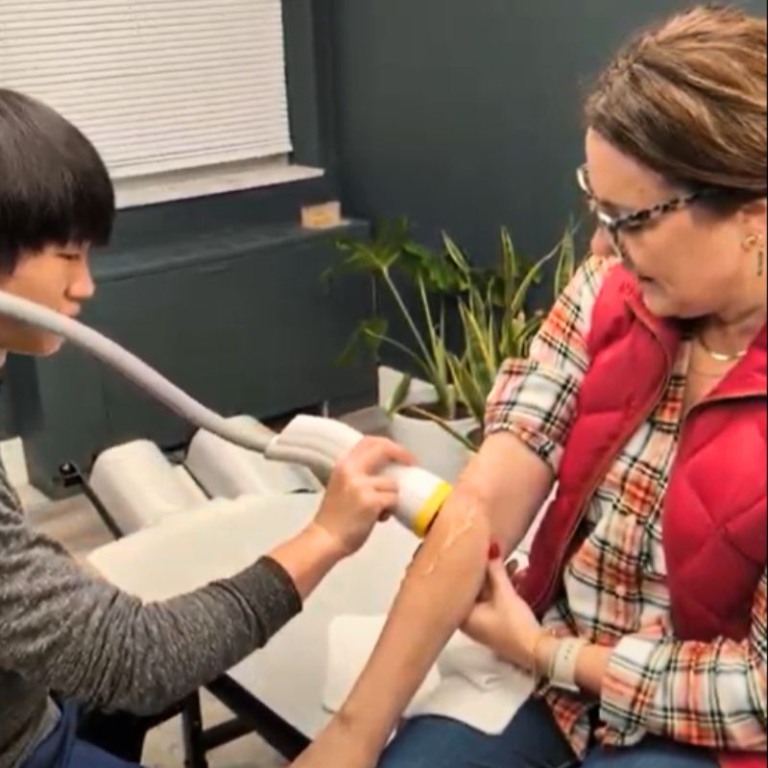
How SoftWave Therapy’s Electrohydraulic Sound Waves Heal Your Body
Regenerating Tissue, Not Just Relieving Pain
SoftWave Therapy’s electrohydraulic sound waves help your body heal by triggering a chain reaction at the cellular level: they convert mechanical sound energy into biological signals that boost blood flow, calm inflammation, and activate your own stem cells so damaged tissue can repair itself. At Simply Well Chiropractic in Cincinnati, we use this technology to complement chiropractic care, so you are not just managing pain but actually regenerating healthier, more resilient tissue over time.
Add a Title
Use this space to add a medium length description. Be brief and give enough information to earn a click.
What SoftWave Therapy Actually Is
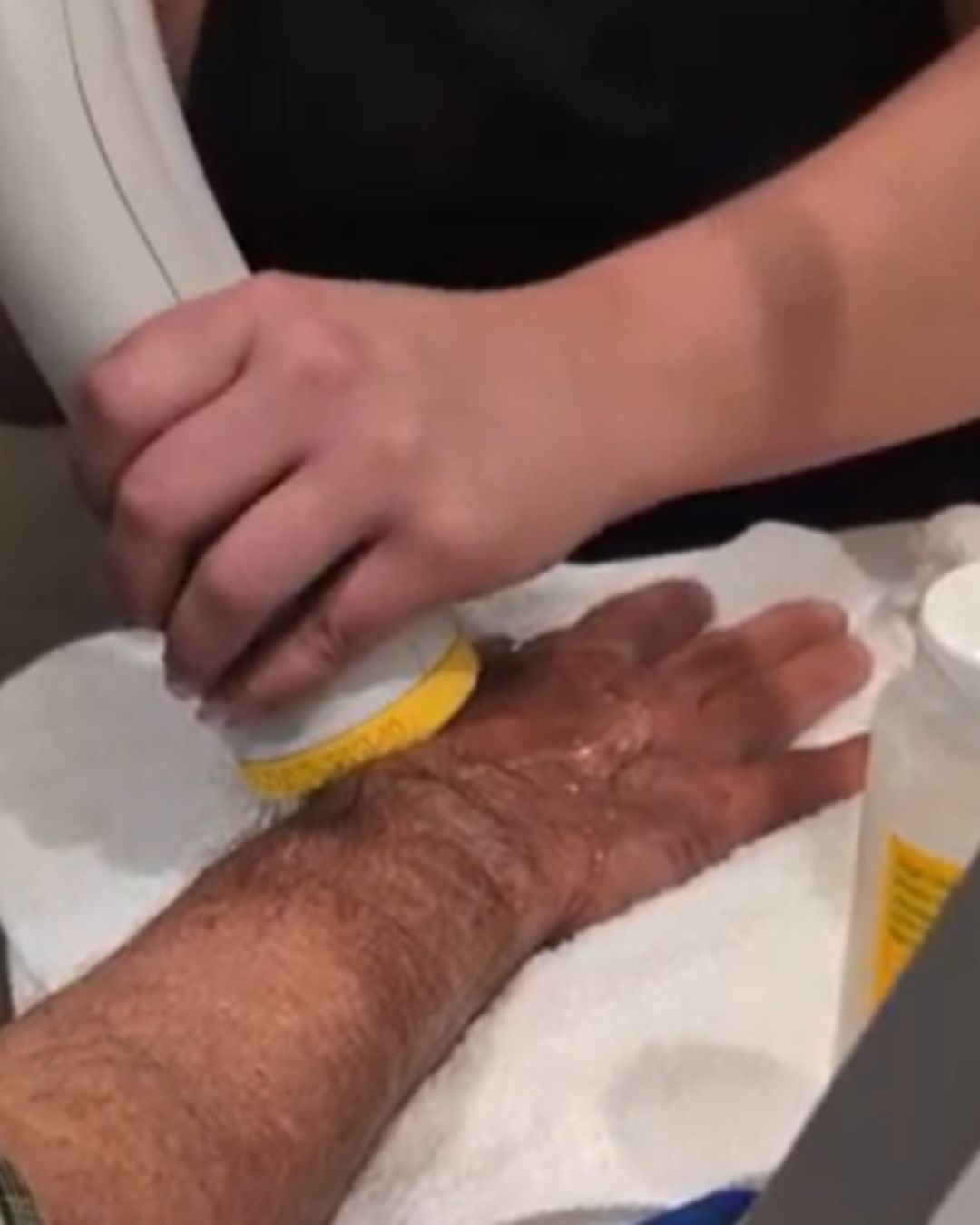
SoftWave Therapy is a non‑invasive form of extracorporeal shockwave therapy (ESWT) that uses electrohydraulic acoustic waves—high‑energy sound waves generated outside your body—to stimulate healing in injured or inflamed tissue. These waves travel deep into muscles, tendons, ligaments, joints, and even bone, delivering mechanical energy without incisions, injections, or drugs.
Unlike many treatments that simply numb pain, SoftWave is designed as a regenerative therapy: it aims to change what is happening inside the tissue—blood flow, inflammation, and cellular activity—so the underlying problem can improve.
How Electrohydraulic Waves Are Created
Electrohydraulic simply describes how SoftWave generates its acoustic waves: an electrical discharge in water produces a powerful, precisely shaped sound wave.
Here is the basic sequence:
- A high‑energy electrical spark is fired between two electrodes submerged in fluid inside the device.
- That spark rapidly heats and expands the fluid, creating a tiny plasma bubble that collapses in nanoseconds.
- This collapse produces a high‑pressure, supersonic acoustic wave that is then shaped and directed through a treatment head into your body.
Because these waves are broadly or “softly” focused, they can cover a larger treatment zone than traditional point‑focused shockwaves, reaching both superficial and deeper structures while minimizing tissue microtrauma.
What Happens at the Cellular Level
When these sound waves hit damaged tissue, the mechanical stress triggers several powerful healing responses:
ATP Release and Energy Boost
The acoustic waves cause your cells to release ATP (adenosine triphosphate) – essentially cellular energy currency. This ATP release activates specific cellular pathways that tell your cells to start proliferating and repairing themselves.
Increased Cell Membrane Permeability
The sound waves make cell membranes more permeable, allowing better nutrient exchange and waste removal. This helps cells function more efficiently and speeds up the healing process.
How Deep Sound Waves Interact With Your Tissue
Once the electrohydraulic wave enters your body, it behaves differently from the sound waves you hear. It carries far more energy and passes through skin and fat to reach deeper structures like tendons, ligaments, joint capsules, and periosteum (the outer layer of bone).
As the wave passes through:
- Areas of healthy and damaged tissue respond differently, which helps clinicians “map” dysfunctional zones based on your feedback and tissue sensitivity.
- The rapid pressure changes create controlled mechanical stress at the cellular level—enough to stimulate a response, but not enough to destroy tissue.
This mechanical stress is the key that unlocks the next phase: mechanotransduction.

Mechanotransduction: Turning Sound Into Cell Signals
Mechanotransduction is the process where cells convert mechanical forces (like pressure or stretch) into biochemical signals. SoftWave leverages this natural mechanism to “inform” your cells that it’s time to repair and remodel.
At the cellular level, research on shockwave therapy shows that sound waves:
- Deform cell membranes and the surrounding matrix, opening mechanosensitive ion channels.
- Trigger the release of ATP (adenosine triphosphate), your cells’ energy currency, into the extracellular space.
- Activate signaling pathways that up‑regulate genes and proteins involved in tissue repair, angiogenesis (new blood vessel growth), and anti‑inflammatory effects.
In plain language: the wave delivers a mechanical nudge that your cells translate into a biochemical “repair now” message.
ATP Release: Jump‑Starting Cellular Energy
One of the earliest responses to SoftWave is an increase in ATP release around the treated tissue. ATP fuels nearly every cellular process, including protein synthesis, cell division, and active transport of nutrients and waste.
When ATP surges locally:
- Cells have more energy available for repair and regeneration tasks.
- Purinergic signaling (cell‑to‑cell communication using ATP and related molecules) ramps up, coordinating healing responses across neighboring cells.
This ATP boost helps shift tissue from a “stuck” chronic state into an active healing phase.
Better Membrane Permeability and Microcirculation
SoftWave’s acoustic waves increase the permeability of cell membranes and microvessels, which improves nutrient delivery and waste removal.
This matters because chronic pain areas often suffer from:
- Poor microcirculation and sluggish lymphatic flow
- Accumulation of metabolic waste and inflammatory mediators
By temporarily improving membrane dynamics and microvascular flow, SoftWave helps:
- Bring in oxygen, amino acids, and growth factors needed for new tissue.
- Remove irritants and debris that perpetuate pain and inflammation.
Clinically, patients often describe a feeling of “loosening” or improved warmth and motion in the area after treatment.
Increased Blood Flow and New Vessel Growth
SoftWave therapy is known to increase local blood flow and stimulate angiogenesis (formation of new capillaries) and vasculogenesis (creation of new vessels from progenitor cells).
Mechanistically, shockwave studies show:
- Up‑regulation of VEGF (Vascular Endothelial Growth Factor) and eNOS (Endothelial Nitric Oxide Synthase), both critical for new vessel formation and vascular health.
- Improved perfusion (blood supply) to previously under‑served or scarred tissue.
Better circulation supports:
- Faster removal of inflammatory byproducts
- More robust delivery of nutrients and immune cells
- Long‑term strengthening of newly healed areas
This is one reason patients often see benefits that continue to build for weeks after their last session.
Stem Cell Activation and Tissue Regeneration
One of the most remarkable effects of SoftWave is its ability to recruit and activate your own stem cells. These are undifferentiated cells capable of becoming bone, cartilage, tendon, muscle, or nerve tissue depending on what the body needs.
Shockwave research indicates:
- Mechanical stress and ATP release help mobilize resident tissue stem cells and circulating progenitor cells toward the treatment area.
- These cells proliferate (multiply) and differentiate (specialize), contributing to long‑term regeneration of damaged structures like tendons, ligaments, and cartilage.
Rather than “patching” the problem, SoftWave encourages your body to rebuild stronger, more organized tissue from the inside out.
Calming Inflammation Instead of Just Masking It
Chronic inflammation is a major driver of ongoing pain and tissue breakdown. SoftWave doesn’t simply numb inflammation; it helps reset the inflammatory environment.
Studies of ESWT show:
- Modulation of inflammatory mediators and a shift in macrophages from an M1 (pro‑inflammatory) to M2 (pro‑healing) phenotype.
- Down‑regulation of pain‑signaling pathways, including Toll‑Like Receptors (TLRs), which are involved in chronic nociceptive signaling.
In clinical terms, this often translates into:
- Reduced swelling and tenderness
- Decreased reliance on pain medications
- Improved tolerance to movement and rehab exercises
Because the therapy addresses both inflammation and structural issues, improvements tend to be more durable than what you’d see from anti‑inflammatory drugs alone.
Calming Inflammation Instead of Just Masking It
Chronic inflammation is a major driver of ongoing pain and tissue breakdown. SoftWave doesn’t simply numb inflammation; it helps reset the inflammatory environment.
Studies of ESWT show:
- Modulation of inflammatory mediators and a shift in macrophages from an M1 (pro‑inflammatory) to M2 (pro‑healing) phenotype.
- Down‑regulation of pain‑signaling pathways, including Toll‑Like Receptors (TLRs), which are involved in chronic nociceptive signaling.
In clinical terms, this often translates into:
- Reduced swelling and tenderness
- Decreased reliance on pain medications
- Improved tolerance to movement and rehab exercises
Because the therapy addresses both inflammation and structural issues, improvements tend to be more durable than what you’d see from anti‑inflammatory drugs alone.
.
Nerve Effects and Pain Modulation
SoftWave’s influence is not limited to muscles and tendons; it also affects peripheral nerves and pain pathways.
Key nerve‑related effects include:
- Modulation of nociceptors (pain‑sensing nerve endings), reducing their hypersensitivity.
- Support of small nerve fiber repair, which can improve sensation and decrease neuropathic pain in some conditions.
Patients often report:
- An immediate change in pain perception during or shortly after a session
- A gradual shift from sharp, burning pain toward more manageable soreness as tissue heals
These nerve effects help explain why SoftWave is used in sports medicine, chronic tendinopathies, and neuropathic pain presentations
Remodeling Scar Tissue and Adhesions
Chronic pain sites frequently contain dense, disorganized scar tissue and adhesions that restrict motion and alter biomechanics. SoftWave’s mechanical energy helps disrupt these restrictions without surgery.
With repeated sessions:
- The acoustic waves soften fibrotic tissue and stimulate collagen remodeling.
- Restored glide between layers (muscle, fascia, tendon) improves range of motion and load distribution.
Combined with targeted chiropractic care and rehabilitative exercises, this remodeling can lead to more efficient movement patterns and lower risk of re‑injury.
.
The Bottom Line
SoftWave therapy essentially gives your body’s natural healing mechanisms a powerful boost using precisely calibrated sound waves. It’s like having a skilled conductor orchestrate your cellular repair symphony – everything works better, faster, and more efficiently.
The beauty of this treatment is that you’re not introducing foreign substances or masking symptoms. Instead, you’re amplifying what your body already knows how to do: heal itself.
Ready to experience the healing power of sound? Contact Simply Well Chiropractic to discover how SoftWave therapy can jumpstart your body’s natural repair process.

Written and medically reviewed by Dr. Faith Swartzendruber, DC
Ohio Chiropractic License: DC-05144 | Palmer College of Chiropractic
Founder, Simply Well Chiropractic, Cincinnati
– Freya