
Ankle Pain Relief in Cincinnati With SoftWave Therapy
Ongoing ankle pain, swelling, stiffness, or instability can make walking, running, workouts, and daily life difficult. At Simply Well Chiropractic, we help patients find ankle pain relief in Cincinnati by evaluating the source of their discomfort and determining whether SoftWave Therapy may be an appropriate non-surgical treatment option.
Why does my ankle hurt?
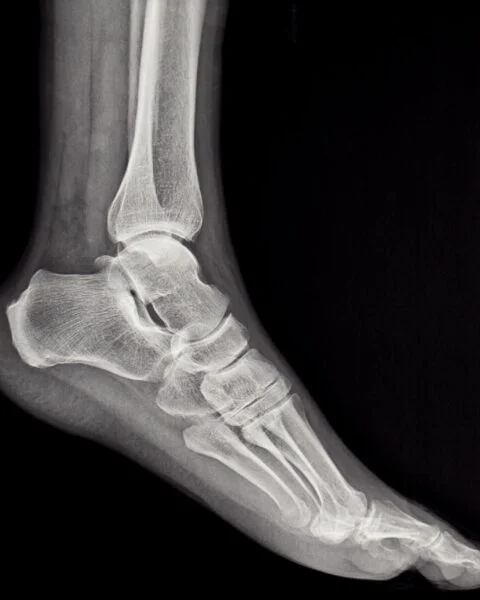
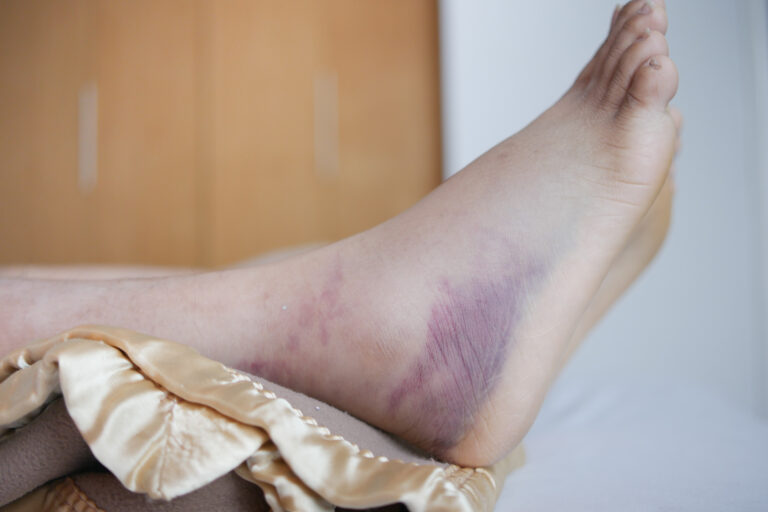
The ankle is a complex joint. Pain can involve ligaments, tendons, muscles, the joint itself, or structures in the foot and lower leg. A sore ankle is not always “just a sprain”—especially when discomfort, weakness, swelling, or a feeling that the ankle may give out continues after the original injury.
People often come to our Cincinnati office looking for help with:
- Ankle pain when walking, running, exercising, or standing.
- Pain that continues after a rolled or sprained ankle.
- Recurrent ankle sprains or chronic ankle instability.
- Stiffness, swelling, weakness, or limited ankle mobility.
- Pain on the inside, outside, front, or back of the ankle.
- Achilles-area discomfort or tendon-related ankle pain.
- Ankle pain that has not improved with rest, braces, activity changes, or home care.
- Foot and ankle pain that makes it harder to stay active.
Your Ankle Pain Has a Story

At Simply Well Chiropractic, Dr. Faith Swartzendruber takes the time to listen to your story, understand your health goals, and create a plan to help you live the life you want to without pain limitations.
Ankle Conditions Treated By SoftWave Therapy




When Should You Seek Care for Ankle Pain?
Ankle pain is not always caused by a recent injury. Sometimes pain develops gradually after repetitive activity, old sprains, changes in footwear, altered movement patterns, arthritis-related stiffness, or compensation from pain elsewhere in the body.
It may be time to schedule an evaluation if you are experiencing:
- Ankle pain that has lasted more than a few days or keeps returning
- Lingering discomfort after an ankle sprain
- Stiffness, weakness, or reduced ankle mobility
- Pain while walking, running, standing, or using stairs
- Tenderness near the Achilles tendon or around the ankle joint
- A feeling that your ankle is unstable or likely to “give out”
- Pain that limits exercise, work, sleep, or everyday activities
Important: Seek prompt medical attention for severe swelling, deformity, inability to bear weight, numbness, color changes in the foot, fever, or pain following a significant injury.
SoftWave Therapy for Ankle Pain relief in cincinnati
SoftWave Therapy may be part of a care plan for people dealing with:
- Persistent ankle pain after a sprain.
- Chronic ankle instability or an ankle that repeatedly rolls.
- Tendon-related ankle pain, including Achilles-area concerns.
- Ligament sprains and overuse injuries.
- Foot and ankle stiffness that limits movement.
- Chronic heel, foot, or lower-extremity pain that affects the way you walk.
- Other musculoskeletal pain that has not responded as hoped to conservative self-care.
What Is Softwave Therapy?
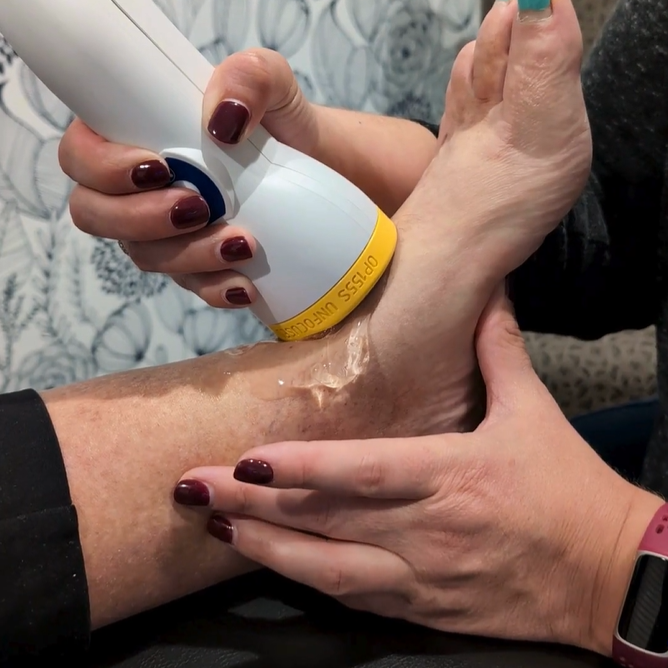
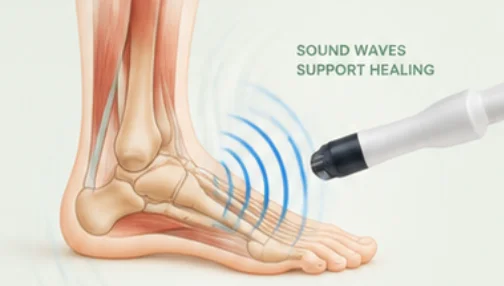
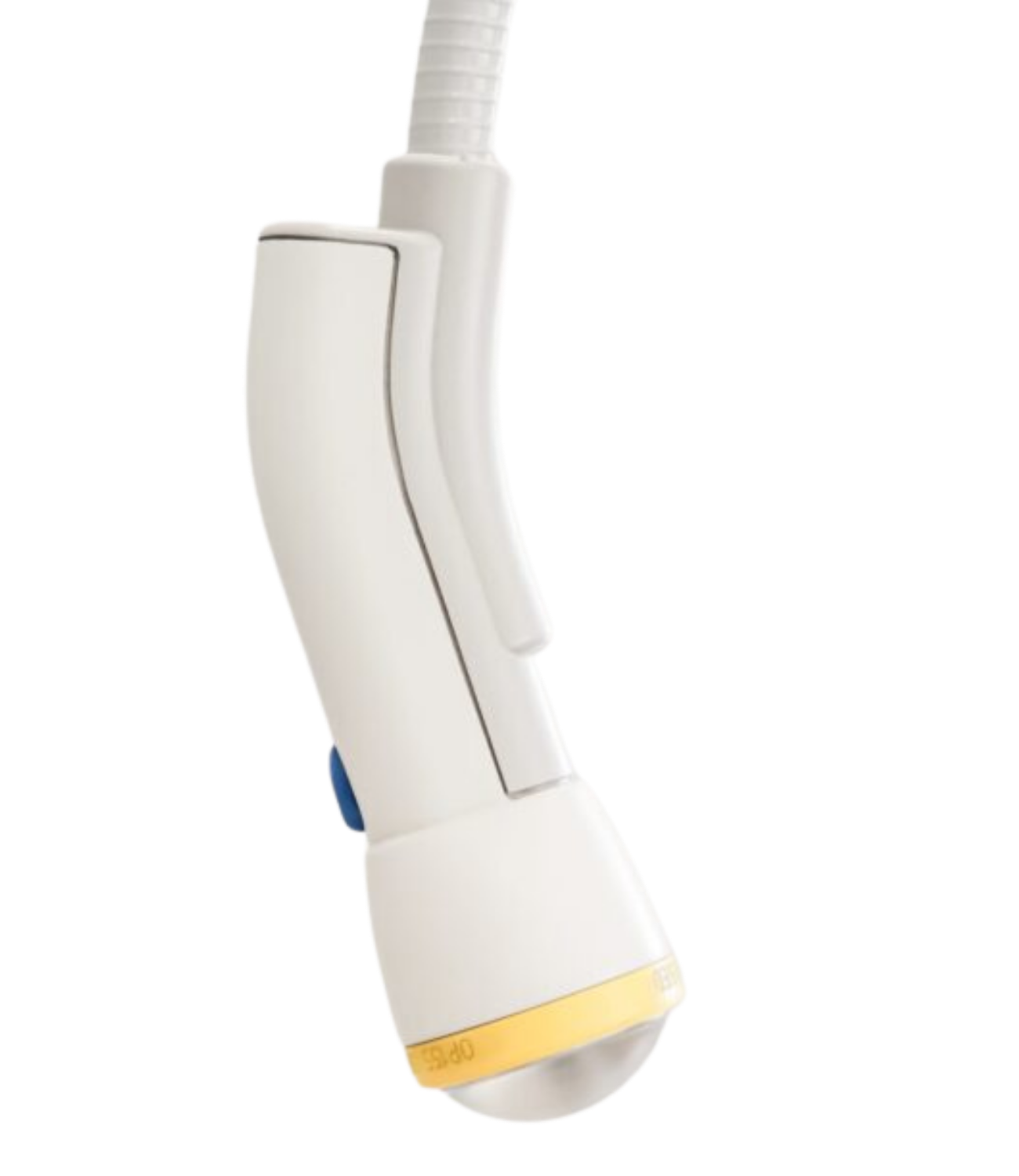
SoftWave Therapy is a noninvasive treatment that uses acoustic waves to stimulate the body’s natural healing response in the targeted area. At Simply Well Chiropractic, it may be considered for certain persistent musculoskeletal and soft-tissue problems involving the ankle, foot, tendons, ligaments, and surrounding structures.
Before recommending treatment, we consider your symptoms, injury history, activity goals, movement limitations, and whether your presentation suggests the need for imaging, medical assessment, or referral.
How Softwave Therapy Fits into Your Care
NON-INVASIVE
No surgery, needles or downtime.
Drug-Free
Avoid medications and side effects.
Your Goals
Focused on your improvement.
What to Expect at Your Ankle Pain Evaluation
Your first visit is a chance to get clearer on what may be contributing to your ankle pain and whether SoftWave Therapy fits your situation.
During your $49 SoftWave Discovery Session, you can expect:
- A conversation about your ankle symptoms, injury history, activities, and goals.
- An assessment of how pain, stiffness, weakness, swelling, or instability is affecting your movement.
- A discussion of whether SoftWave Therapy may be appropriate for your presentation.
- Clear guidance on the recommended next step, whether that includes SoftWave Therapy, chiropractic care, movement-based support, referral, imaging, or another type of evaluation.
- Time to ask questions about the treatment process, scheduling, and cost.
At Simply Well Chiropractic, individual SoftWave Therapy sessions are $165. If treatment is recommended, your plan is based on your condition, response, goals, and clinical findings—not a one-size-fits-all promise.
What We Look for During a SoftWave Discovery Session
If SoftWave Therapy seems like a potential fit, we often start with a shorter discovery session rather than immediately recommending a long plan.
During that first treatment, we pay close attention to:
- “Hotspots” during the session—areas where the device finds irritated or dysfunctional tissue
- Changes in your pain in real time
- Immediate changes in ankle range of motion or how your ankle feels when you walk afterward
If you have clear hotspots and notice less pain or better motion after the discovery session, those are good signs you may respond well to a full plan. If you don’t respond much, we’re honest about that, too.
How SoftWave differs from other ankle therapies
Many people with ankle pain are offered rest, medications, or even injections before anyone talks about how to help the tissues actually heal. This is where SoftWave can play a different role.
| Treatment option | How it works on ankle injuries | Typical experience for patients | Key differences compared to SoftWave for ankle injuries |
|---|---|---|---|
| Rest, ice, compression, elevation (RICE) | Reduces acute swelling and protects the joint in the first few days after injury. | Short-term relief; helpful early on, but often not enough if pain lingers or keeps recurring. | Good first aid, but doesn’t actively stimulate tissue repair the way SoftWave is designed to. |
| Over-the-counter or prescription medications | Decrease pain and inflammation through systemic effects. | Can temporarily reduce pain, but relief often fades when the medication wears off. | May mask symptoms without changing the underlying tissue quality or joint mechanics. |
| Bracing and supports | Limit motion and provide external stability to protect injured ligaments or tendons. | Can make walking or sports feel safer, but long-term use may lead to dependence or weakness. | Helpful for protection, but SoftWave aims to encourage healing so you rely less on braces. |
| Physical therapy / exercises | Strengthen muscles, improve balance, and restore range of motion and control around the ankle. | Active work that can improve stability and function over time with consistent participation. | SoftWave can complement rehab by targeting stubborn pain and tissue irritability so exercises are more tolerable. |
| Cortisone or other injections | Deliver medication directly to the painful area to reduce inflammation. | Sometimes rapid pain relief, but effects may be temporary and there can be limits on frequency. | SoftWave is non-invasive and drug-free, and focuses on mechanical stimulation rather than medication. |
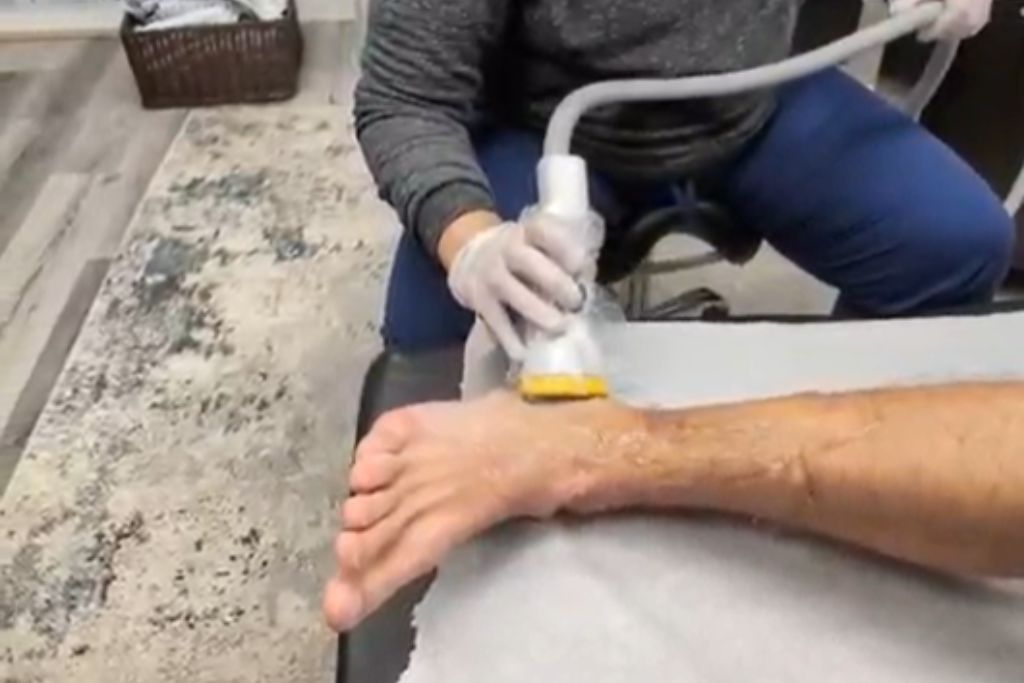
| SoftWave Therapy | Uses focused acoustic waves at the ankle to stimulate blood flow and cellular activity in injured tissues. | Brief in-office sessions with no incisions; many people describe a strong tapping or pulsing sensation that eases as the area improves. | Non-surgical and non-pharmacologic, designed to support the body’s own repair processes and often used alongside movement-based care to help you return to activity more comfortably. |
Real Stories from Our Patients after SoftWave Therapy for Ankle Pain
Able to Hike Again
A man in his 40s came in after hurting his ankle on a hike. He did what most people do—rested a bit, tried to ease back into activity—but it never really healed. His stability felt limited. He wanted to hike with his son again without constantly worrying about rolling his ankle.
After his first SoftWave treatment, he told us his foot felt “lighter,” but he wasn’t sure yet if it would last. After 3–4 treatments, he went hiking with his son and had no issues. His ankle felt stable, and he didn’t need additional treatments after that plan.
Not everyone responds this quickly, but stories like his are why we take the time to evaluate, measure, and build a plan based on how your ankle actually responds.

Decades of Tight, Achy Ankle Pain Finally Loosening Up
We also worked with a woman in her 70s who had sprained her ankle decades ago. She described it as always feeling tight and painful whenever she moved it, as if the joint just never fully recovered from that old injury.
After her first SoftWave session, her ankle already felt noticeably looser. She went on to complete six treatments, and since then, she has not had that same chronic ankle pain. For her, it felt like a problem she’d “just lived with” for decades finally let go.
This isn’t the case for everyone. Some people need maintenance treatments. Some need a different approach. But watching her heal in this way with SoftWave has been incredibly encouraging for our team.
At‑Home Relief Ankle Pain Relief in Cincinnati
Not every sore ankle needs a clinic visit right away. It may be reasonable to start with:
You should seek professional help if:
If we suspect a serious injury, we’ll help you get to urgent care or an orthopedic specialist instead of trying to manage it alone
At‑Home Exercises to Support Ankle Healing
SoftWave Therapy works best when paired with gentle, progressive movement that restores mobility, flexibility, strength, and balance. If your provider clears you for exercise, these are examples of the types of movements we often recommend or coordinate with other providers.
Mobility and Warm‑Up
- Ankle Pumps: Sit or lie with your legs straight. Gently pull your toes toward your nose, then point them away. Repeat 15–20 times to get blood flowing and gently move the joint.
- Ankle Alphabet: Sit comfortably and use your big toe to “draw” the alphabet in the air. This helps mobilize the ankle in multiple directions without heavy load.
Stretching and Flexibility
- Towel Calf Stretch: Sit on the floor with your legs straight. Loop a towel or strap around the ball of your foot and gently pull until you feel a stretch in your calf. Hold 20–30 seconds, breathing steadily.
- Standing Calf Stretch: Stand facing a wall with one foot in front of the other. Keep both feet flat. Bend the front knee while keeping the back leg straight until you feel a stretch in the back calf. Hold 20–30 seconds.
Strengthening the Ankle
- Double‑Leg Heel Raises: Stand near a counter or sturdy chair for balance. Rise up onto the balls of your feet, hold for 1–2 seconds, then slowly lower. Aim for 2–3 sets of 10–15 reps if comfortable.
- Banded Inversion/Eversion: Loop a resistance band around your foot and anchor it. Keeping your heel down, move your foot outward against the band, then inward against resistance. Repeat 10–15 times each direction.
Balance and Stability
- Single‑Leg Balance: Stand near a wall or counter for safety. Lift one foot slightly and balance on your affected leg for 20–30 seconds. As you improve, you can progress by closing your eyes or standing on a soft surface.
These are general examples; your exact plan should be tailored to your specific injury, pain level, and stage of healing. During your visits, we’ll help you understand when to use these and when to hold back.
Why Choose Simply Well Chiropractic for Softwave Therapy?
We help patients from Mariemont, Fairfax, Oakley, Hyde Park, Norwood, and across Greater Cincinnati find relief from ankle pain.
At Simply Well Chiropractic, we want to understand how your ankle pain effects how you move and live.
When you come in for ankle pain with Dr. Faith Swartzendruber, you can expect:
- Conservative‑first mindset. We prioritize non‑surgical, non‑invasive care when it’s safe and appropriate.
- Collaborative care. We’re happy to work alongside your PT, primary care doctor, or orthopedic specialist.
- Whole‑person focus. We look beyond just the ankle to understand how your entire body and daily life affect recovery.
- Clear communication. You get honest guidance about whether SoftWave is likely to help—and when a different path makes more sense.
We’ve seen people return to hiking, walking confidently, and moving without the constant fear of “rolling it again.” We’ve also told people, “This isn’t the right tool for you,” and helped them find the next best step. Both are equally important.
Dr. Faith earned her Doctor of Chiropractic degree from Palmer College of Chiropractic in 2022.
She holds Ohio chiropractic license (DC-05144).
Dr. Faith Swartzendruber, DC, integrates her SoftWave Therapy training and chiropractic license with her education background to deliver SoftWave treatments that are both clinically informed and patient-centered.
Dr. Faith has helped hundreds of Cincinnati patients overcome chronic pain with SoftWave Therapy and chiropractic care.
Ready to Move Without Ankle Pain in Cincinnati?
If ankle pain is keeping you from work, sports, or the everyday activities you love, you don’t have to keep waiting it out.
Click below to schedule your Discovery Session and find out whether SoftWave Therapy and chiropractic care at Simply Well Chiropractic are the right next step for your ankle.
You’ll get:
- Guidance on whether you need additional medical or specialty care
- A clear understanding of what’s going on with your ankle
- A conservative, personalized plan for relief
Ankle Pain and SoftWave Therapy FAQ
Use this space to provide your website visitors with a brief description on what to expect before clicking on a section title.
-
Sprained Ankle Recovery Timeline: What’s Normal and When to Get Help
Most ankle sprains improve significantly within 2–8 weeks, depending on the grade, but pain and swelling still lingering at week 6 is a sign you should get a closer evaluation…
-
Why Strong Ankles Matter After a Sprain
After a sprain, the ligaments that stabilize your ankle are stretched or torn, leaving the joint “loose” and your balance off. When those ligaments stay lax and the muscles around…
-
Why Your Ankle Pain Won’t Heal: 5 Hidden Causes Most People Miss
If your ankle pain just will not go away, even months or years after a sprain, you are not alone. Many people are told it is “just a sprain” and…
-
Ankle Sprain Treatment in Cincinnati: Your Guide to Fast Recovery with SoftWave Therapy
When you twist your ankle stepping off a curb or during a pickup basketball game, the sharp pain and immediate swelling can leave you wondering what just happened and how…
Address
5721 Dragon Way #110, Cincinnati, OH 45227
info@simplywellchiro.com
Phone
(513) 271-1233
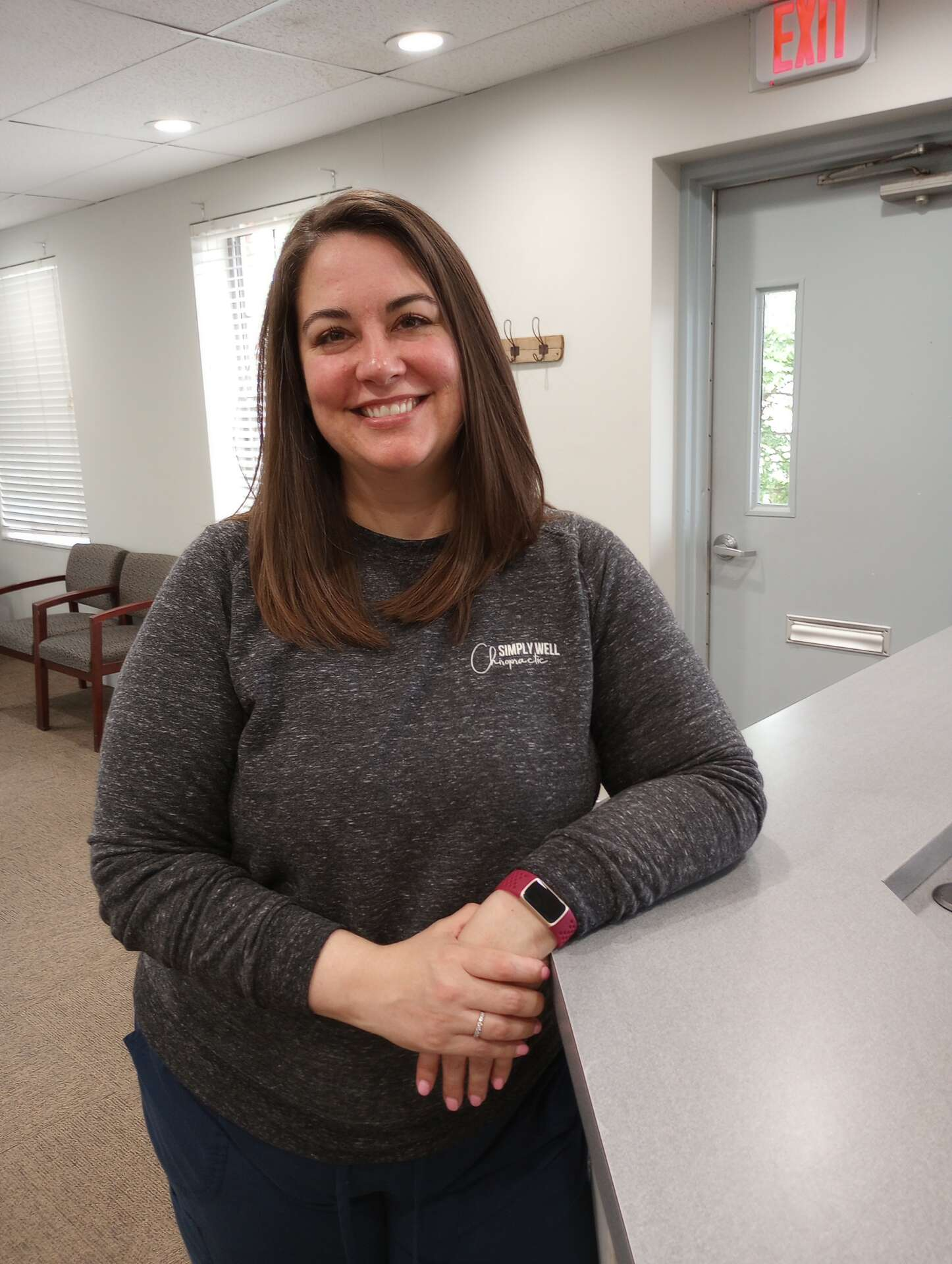
Written and medically reviewed by Dr. Faith Swartzendruber, DC
Ohio Chiropractic License: DC-05144 | Palmer College of Chiropractic
Founder, Simply Well Chiropractic, Cincinnati