Can SoftWave Therapy Help Diabetic Neuropathy? A Chiropractor’s Honest Take
If you’re living with nerve pain or diabetic neuropathy, you’ve probably heard a lot of big promises and seen your fair share of “miracle cure” ads. It’s hard to know what’s real, what’s hype, and what might actually help you get your life back.
Can SoftWave Help Diabetic Neuropathy?
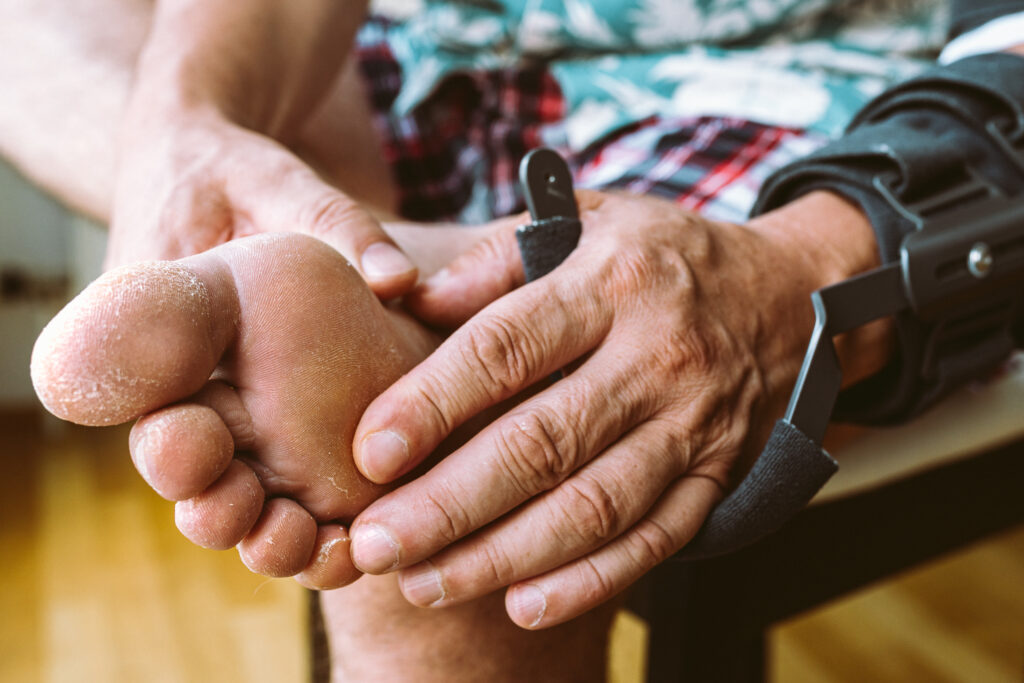
If you’re living with diabetic neuropathy—numbness, burning, or loss of feeling in your feet or hands—you’ve probably heard a lot of big promises and seen more than a few “miracle cure” ads. It’s hard to know what’s real, what’s hype, and what might actually help you feel safer and more stable in your own body again.
At Simply Well Chiropractic in Cincinnati, we use SoftWave Therapy specifically to support people with diabetic neuropathy as part of a regenerative, non‑invasive approach to care. We’ve seen meaningful improvements in symptoms like numbness, balance issues, and pain—more feeling in the feet and hands, better color and warmth, and more confidence walking. At the same time, we’re very clear: SoftWave does not “cure” diabetic neuropathy. Instead, it gives your body a powerful nudge so it can do more of what it was designed to do—heal and repair as much as it can.
In this post, I’ll walk you through how we use SoftWave for diabetic neuropathy, the kinds of changes our patients have experienced, and how we set honest expectations from day one so you can decide if it might be a good fit for you.
What Is SoftWave Therapy?
SoftWave Therapy is a non‑invasive treatment that uses high‑energy electrohydraulic acoustic waves to stimulate healing in damaged or irritated tissue. Instead of masking symptoms, it’s designed to wake up dormant cells, increase blood flow, and support tissue regeneration.
When it comes to nerve pain and neuropathy, that matters because nerves are very dependent on good blood flow, reduced inflammation, and healthy surrounding tissue. SoftWave doesn’t replace your body’s healing; it helps create better conditions so your body can heal more effectively.
We think of SoftWave as a tool that:
- Helps tissue heal more efficiently
- Reduces inflammation in and around nerves
- Increases local circulation to the affected area
- Signals your body to send in healing cells, including stem cells
From there, it’s your body that does the work. Our job is to use the technology strategically and support you with a plan that makes sense for your overall health.

Diabetic Neuropathy: What We See Most Often
At Simply Well Chiropractic, the vast majority of neuropathy cases we see are specifically diabetic neuropathy. These patients usually come in with:
- Loss of feeling in the feet and/or hands
- Numbness that makes them feel disconnected from the ground
- Color changes in the feet or lower legs
- Difficulty with balance, walking, and standing
- Burning, tingling, or “pins and needles” sensations
For many, these symptoms have been slowly building for years. By the time they find us, they’ve often tried medications, creams, or various devices and are still frustrated with how limited they feel. On top of the physical symptoms, there’s a very real emotional weight: worry about losing independence, needing a walker, giving up activities they love, or not being able to safely walk on their own.

A Real Case: From Walker to 18 Holes of Golf
One of the most striking neuropathy cases in our office was a 60‑year‑old man who came to us in July. He had bilateral neuropathy in both feet. He arrived using a walker and could barely stand on his own. Golf, walking, and feeling steady on his feet felt completely out of reach.
After his very first SoftWave session, he noticed some changes—enough that he decided to move forward with a full treatment plan. Over the course of 11 treatments:
- He gradually regained full feeling in both feet
- His balance improved
- He progressed from using a walker to walking on his own
- He started going to the driving range to test his limits
By the end of that same summer, he played 18 holes of golf. On a real course, not just a simulator. We still check in with him now and then, and he’s still out playing.
Is every case this dramatic? No. But stories like this are why we’re so committed to a regenerative, non‑invasive first approach to care.
Other Changes We’ve Seen With Neuropathy Patients
Beyond that “walker to golf course” story, we’ve seen other meaningful changes in people with neuropathy after SoftWave Therapy, such as:
- Restoration of color in the feet and lower legs
- Improved warmth in previously cool or pale areas
- Increased feeling in the feet and hands
- Better balance and confidence walking
- The ability to feel a loved one’s touch again
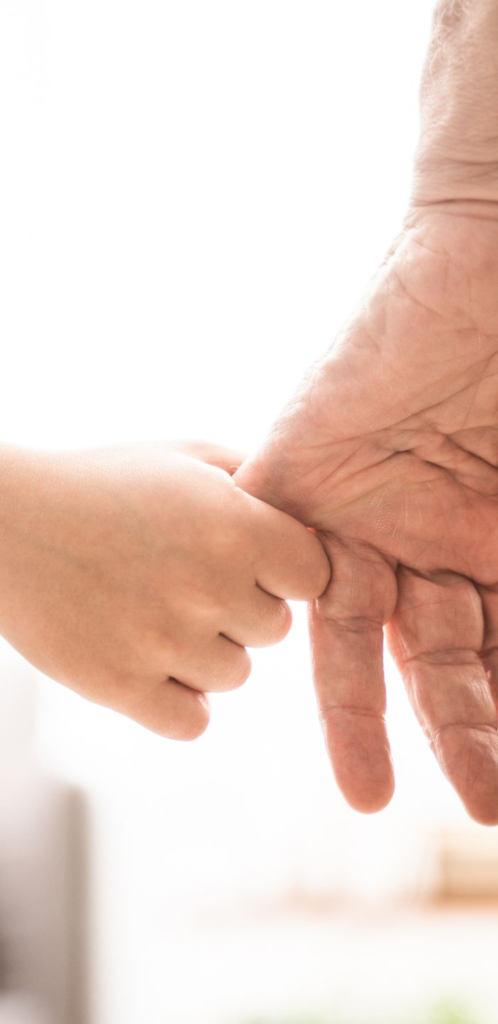
One of my favorite examples is a patient who hadn’t been able to feel their grandchild’s hand. After SoftWave treatments, they were able to feel that tiny hand again. That’s not just a clinical win—it’s a life moment you can’t measure in pain scales alone.
Again, SoftWave is not a cure for neuropathy. But it can create enough change that people get pieces of their life back: walking with less fear, playing, connecting, and moving more confidently.
How We Evaluate a Neuropathy Patient for SoftWave
At Simply Well Chiropractic in Cincinnati, we don’t plug everyone into the exact same plan and hope for the best. Your first visit is a screen, a conversation, and a test of how your body responds.
Here’s how a typical neuropathy evaluation looks with us:
- We talk through your diagnosis and symptoms
- How long you’ve had neuropathy
- Where you feel symptoms (feet, hands, both)
- What the sensations are like—numbness, burning, tingling, weakness
- We review what else you’ve tried
- Medications and injections
- Other therapies like physical therapy, chiropractic, or devices
- Home therapies or lifestyle changes you’ve already made
- We coordinate when needed
- If we need more information from another provider, we reach out
- We want your care to be collaborative, not siloed
- We look at complementary therapies
- Red light therapy often pairs well with SoftWave for neuropathy
- We know local options and can also suggest at‑home devices when appropriate
Then we move into an initial SoftWave session to see how your body responds in real time. That first session is important for both of us: it helps you feel what the therapy is like, and it helps us decide whether moving forward makes sense.
What a SoftWave Neuropathy Session Feels Like
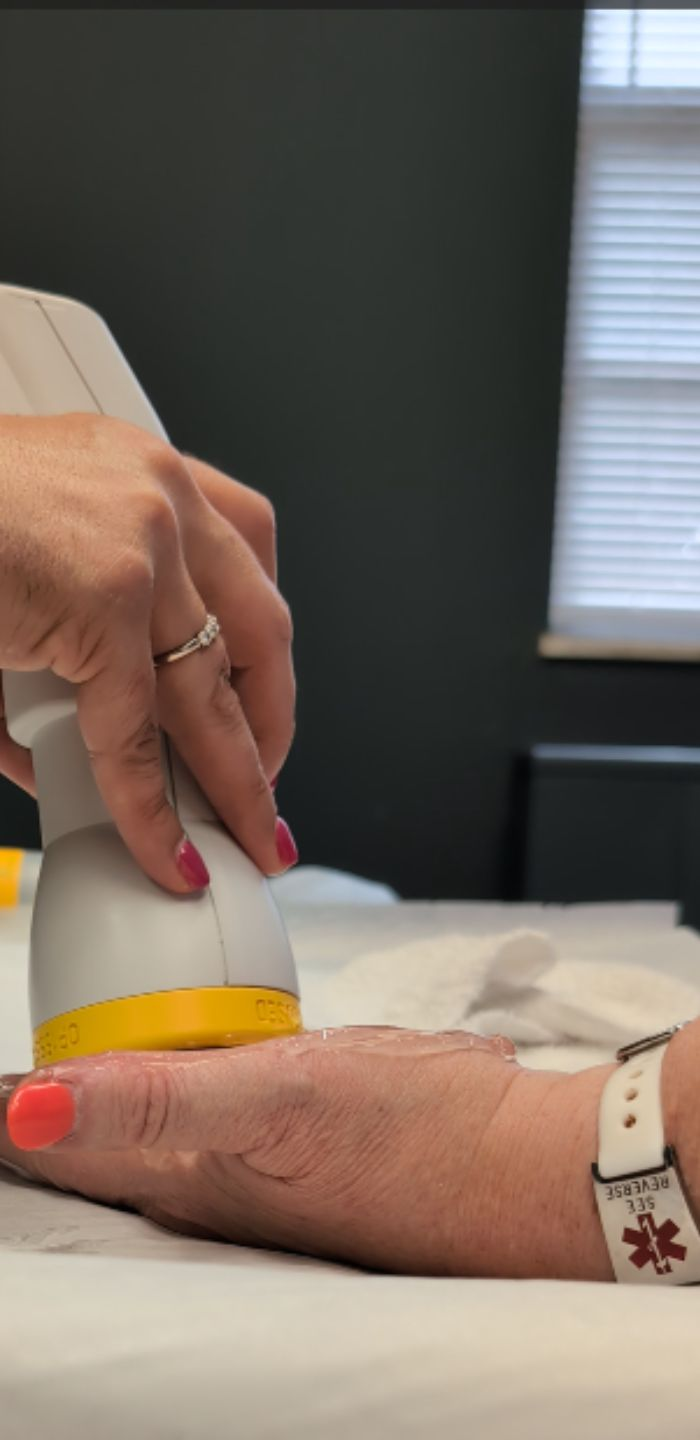
SoftWave feels a bit different for neuropathy patients than it does for patients coming in with a shoulder injury or plantar fasciitis.
Because neuropathy involves loss of feeling, you may not feel the full range of sensations during treatment in the same way other patients do. Here’s how we work with that:
- We target the area and the surrounding tissue
- Even if sensation is decreased, the tissue and nerves still respond
- We make sure to treat not just the “dead zone” but the areas around it
- If you can feel some of the treatment, that’s useful information
- It can help us locate affected tissue
- It also gives you a sense of what’s happening in your body
Most people describe SoftWave as anything from a pressure or tapping sensation to a more intense “zing” in sensitive spots. With neuropathy, that feedback may be muted at first—but often, the ability to feel the treatment itself improves over time as sensation returns.
Our Typical SoftWave Plan for Neuropathy
Once we’ve established that you’re a good candidate, we generally follow a phased plan. We adjust based on your response, but neuropathy often follows this rhythm in our office (please note that every patient is different and we always provide treatment plans that are based on an individual’s condition):
- Phase 1: Initial intensive care
- 2 visits per week
- Typically 3–4 weeks
- Goal: wake up tissue, improve circulation, reduce inflammation, and begin changing symptoms
- Phase 2: Transition phase
- 1 visit per week
- A few additional weeks
- Goal: build on early gains and stabilize improvements
- Phase 3: Pause and recheck
- We take about a month off
- You go live your life and see how things hold—walking, standing, sleeping, everyday activities
- We re‑evaluate how much improvement you’ve kept without active treatment
- Phase 4: Maintenance care
- Typically 2–3 “boost” visits per year
- Goal: maintain function and minimize regression, especially with ongoing conditions like diabetes
Neuropathy is rarely a “one and done” condition. It’s more like tending a garden in a changing climate—you can get it healthy, but if nothing else is managed, weeds and damage creep back in. Maintenance isn’t a failure of treatment; it’s the reality of how nerves and chronic metabolic conditions work over time.
Why We Don’t Call SoftWave a “Cure”
It’s important to be clear: we do not tell people SoftWave will cure their neuropathy.
Here’s how we frame it with patients:
- SoftWave is a regenerative tool
- It helps tissue heal, reduces inflammation, and supports better blood flow
- It encourages your body to send in healing cells, including stem cells
- Your body is still the hero
- The technology creates a more favorable environment
- Your body’s healing capacity does the actual rebuilding work
- Neuropathy is a complex condition
- Especially in diabetes, there are ongoing metabolic and circulatory challenges
- Even with great improvements, the underlying risk factors still exist
Because of that, we stay honest and grounded. We don’t promise:
- A guaranteed cure
- The same result for every person
- That you’ll never need care again
Instead, we look for real‑world wins: more feeling, more color, better balance, more freedom, fewer limitations.
Our Philosophy: Regenerative First, Honest Always
At Simply Well Chiropractic, our philosophy is to give your body a chance to heal itself—gently, non‑invasively, and with respect for how complex the human body really is.
That means:
- We lead with regenerative therapies, not drugs or surgery
- We use the first SoftWave session as a real‑time test
- If you see meaningful change—more feeling, less pain, better movement, or clear areas of affected tissue—we know a treatment plan is reasonable
- If you don’t respond, we don’t push you into a plan “just because”
- With neuropathy, we explain that results often come with continued care
- We set expectations that this is a process, not a magic switch
- We talk about maintenance upfront, not as a surprise later
Our goal isn’t to be the savior for every issue. Our goal is to support your body, tell you the truth, and recommend care we would feel good about if you were our family.
Who Might Be a Good Candidate for SoftWave for Neuropathy?
Every person is unique, but in our experience, people who tend to do especially well with SoftWave for neuropathy often:
- Have diabetic neuropathy with numbness in feet or hands
- Want to improve function—walking, balance, standing, playing, feeling more connected to their body
- Are open to a process that involves multiple visits
- Are willing to address other lifestyle and health factors alongside SoftWave (such as blood sugar management, movement, or complementary therapies like red light)
On the other hand, if you’re expecting a one‑time “fix” without any ongoing maintenance or lifestyle changes, SoftWave may not match your expectations—even if it still helps your nerves and tissue.
What to Expect If You Come See Us
If you come to Simply Well Chiropractic in Cincinnati for neuropathy and are curious about SoftWave, here’s what you can expect:
- A thorough conversation about your history, diagnosis, and goals
- Honest feedback on whether we think you’re a good candidate
- A test drive of SoftWave to see how your body responds
- A clear plan that includes:
- Frequency and length of the initial care phase
- When we’ll pause and re‑evaluate
- What maintenance might look like
- No pressure if your body doesn’t respond the way we’d like on that first visit
If you’re wondering whether SoftWave Therapy could help your nerve pain or neuropathy, especially if you have diabetic neuropathy, the best next step is a conversation and an initial evaluation. From there, we can decide together whether it’s the right tool for your body and your goals.
Ready to see if SoftWave Therapy could help your diabetic neuropathy?
Curious whether SoftWave Therapy could help your diabetic neuropathy, but not ready for a big commitment? Start with a no-pressure evaluation and first session so we can both see how your body responds. Click here to schedule your visit.
Address
5721 Dragon Way #110, Cincinnati, OH 45227
info@simplywellchiro.com
Phone
(513) 271-1233

Written and medically reviewed by Dr. Faith Swartzendruber, DC
Ohio Chiropractic License: DC-05144 | Palmer College of Chiropractic
Founder, Simply Well Chiropractic, Cincinnati
– Freya