sciatica Pain Relief in Cincinnati
Schedule your $49 Discovery Session today!
What Is Sciatica?
Sciatica is a type of nerve pain that starts in your lower back or buttock and travels down the back of one leg, often reaching your calf, foot, or toes. It happens when the sciatic nerve—or the group of nerve roots that form it—gets irritated, inflamed, or compressed by something like a herniated disc, bone spur, or tight muscle.
Instead of being a single diagnosis, sciatica is a symptom that describes this radiating nerve pain pattern. People may feel sharp, burning, or electric-like pain, along with numbness, tingling, or weakness in the affected leg, usually on just one side of the body. Because it follows the path of the sciatic nerve—the largest nerve in the body—sciatica can make everyday activities like sitting, driving, bending, or even coughing and sneezing feel intensely painful.
What Sciatica Feels Like
Sciatica is nerve pain that starts in your lower back or buttock and travels down the back of one leg, sometimes all the way into your calf or foot. It happens when the sciatic nerve is irritated or compressed where it leaves your spine or passes through tight muscles in your hip.
People with sciatica in Cincinnati often describe:
- Pain that may ease when you walk a bit, then flare again when you sit or bend
- Sharp, shooting, or electric-like pain down the back of one leg
- Burning, tingling, or “pins and needles” in the leg or foot
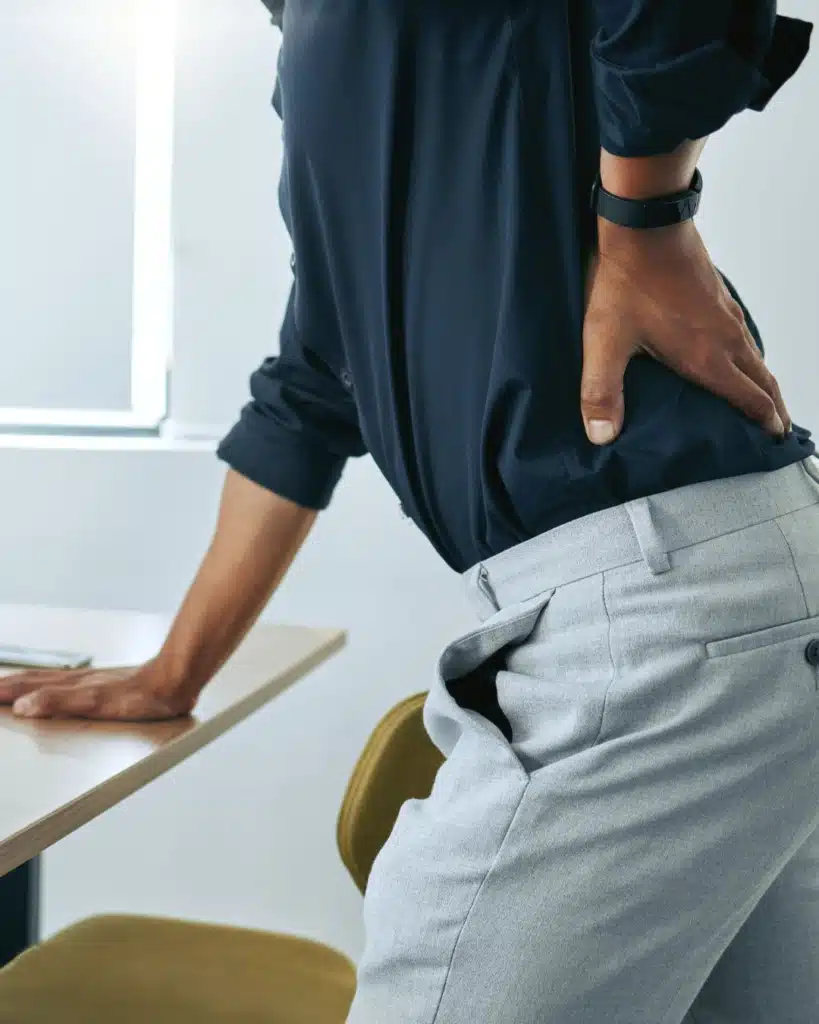
- Pain in the buttock that worsens with sitting, driving, or bending forward
- Numbness or weakness when standing up, climbing stairs, or getting out of a chair
Common Causes of Sciatica in Cincinnati Adults
Sciatica is a symptom, not a diagnosis, which is why a careful exam matters. Several different problems in the lower back and pelvis can pinch or irritate the sciatic nerve:
- Herniated or bulging lumbar discs pressing on a nerve root
- Lumbar spinal stenosis (narrowing of the spinal canal) or bone spurs
- Piriformis syndrome, where a tight hip muscle compresses the sciatic nerve
- Spinal misalignment or instability that increases pressure on the nerve
- Degenerative disc disease and arthritis in the lumbar spine
- Pregnancy or recent weight gain that changes posture and spinal load
Risk factors that raise your chances of sciatica include a sedentary job, heavy lifting, long commutes, diabetes, smoking, and simple wear-and-tear with age.
When Sciatica Becomes an Emergency
While most sciatica is painful but not dangerous, certain red-flag symptoms need immediate medical attention. You should go to the ER or contact a spine specialist right away if you notice:
- Loss of bowel or bladder control
- Progressive weakness in one or both legs
- Numbness in the groin or saddle area
- History of cancer, recent infection, or significant trauma
If you’re not sure whether your symptoms are urgent, call our office and we can help you decide your next safest step
Why Consider SoftWave Therapy for Sciatica Pain?
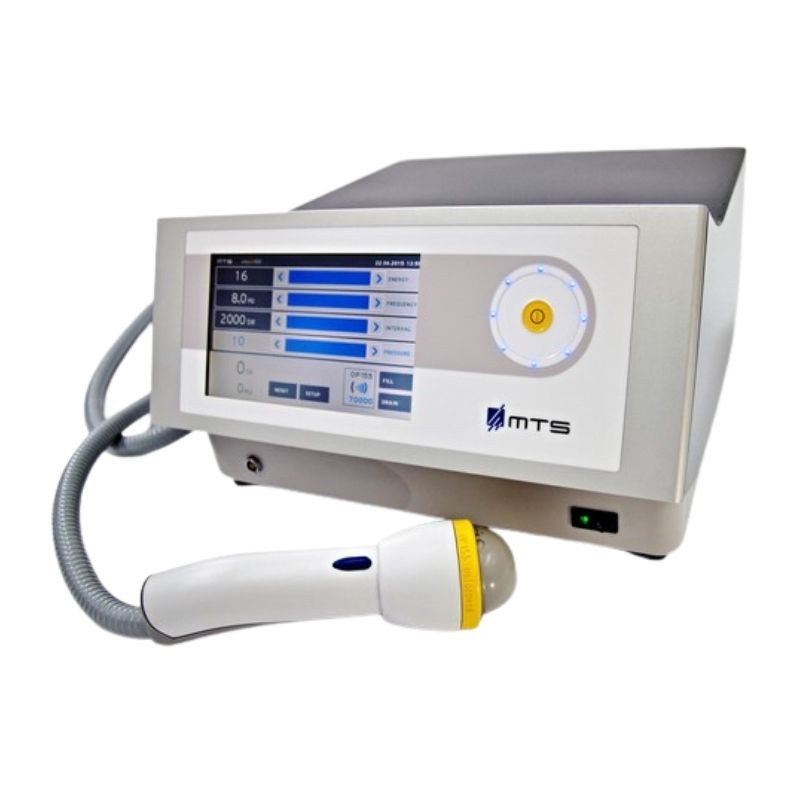
SoftWave Therapy is an advanced, non-invasive treatment that uses electrohydraulic acoustic waves to reach deep into irritated tissues around the sciatic nerve, lumbar discs, and supportive muscles. Unlike medications that only dull pain, SoftWave is designed to:
- Reduce inflammation and pressure around irritated nerve roots
- Improve blood flow (angiogenesis) to help injured tissues heal more efficiently
- Calm tight, protective muscles in the low back, hip, and piriformis that can squeeze the nerve
- Activate growth factors and stem cells that support long-term tissue repair
Research on focused shockwave technologies like SoftWave suggests benefits for pain reduction, improved mobility, and accelerated soft-tissue healing in chronic musculoskeletal conditions. For many patients, that may mean fewer pain flares and a better chance of avoiding injections or surgery when appropriate.
How SoftWave Therapy Feels and What to Expect
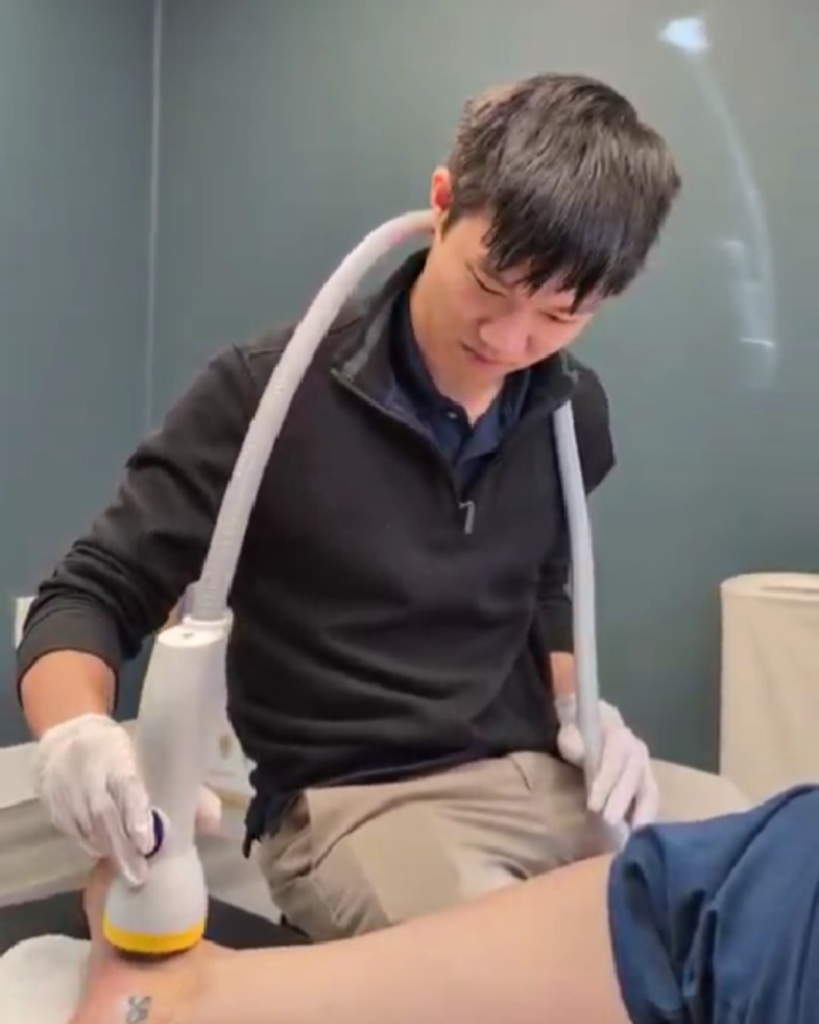
Most patients describe SoftWave sessions as brief, targeted pulses that feel like a tapping or snapping sensation over the painful area. During a sciatica treatment, your provider will move the SoftWave applicator over key landmarks in your lower back, buttock, and hip to locate the most reactive spots.
A typical visit looks like this:
- Initial mapping to find irritated tissues and trigger zones
- Short treatment session focused on those hotspots
- Immediate post-treatment recheck of your movement and pain level
There are no incisions or injections, and most people return to normal daily activities shortly after treatment.
Sciatica Care at Simply Well Chiropractic in Cincinnati
At Simply Well Chiropractic, we don’t just chase your leg pain—we look for the mechanical, muscular, and nerve drivers behind it. Your sciatica visit starts with a focused consultation and exam to answer three questions:
- What is irritating or compressing your sciatic nerve?
- How is your posture, movement, and strength contributing?
- Is SoftWave Therapy, chiropractic, or a combination the safest next step?
Your personalized plan may include:
- SoftWave Therapy to calm irritated nerve roots, discs, and supporting soft tissues
- Gentle chiropractic adjustments to restore motion and alignment in the lumbar spine and pelvis
- Corrective exercises to support your core and hips so your back doesn’t work overtime
- Ergonomic and lifestyle coaching (sitting, lifting, driving, and sleep positions) tailored to your job and home demands
Our goal is not just “getting you through the week,” but helping you walk, drive, lift, and live without constantly worrying about your next sciatica flare.
Your First Sciatica Visit: What Happens
Start getting relief from sciatic nerve pain—not just covering it up. If pain down your leg is making it hard to work, drive, or sleep, schedule your $49 Discovery Session at Simply Well Chiropractic in Cincinnati to see whether SoftWave Therapy is the right next step for you. Call our office or request an appointment online today so we can help you get back to walking, sitting, and living with less pain.
Who Is (and Is Not) a Good Candidate for SoftWave
SoftWave Therapy can be a good fit if:
- You have sciatica that has not responded well to rest, medications, or basic home care
- You’re trying to avoid or delay injections or surgery when medically appropriate
- Your pain has become chronic or keeps coming back with certain activities
SoftWave may not be appropriate if you are pregnant, have certain bleeding disorders, have a pacemaker or implanted electronic device near the treatment area, or have an active infection or open wound over the site. In these cases, we’ll discuss alternative options and, if needed, coordinate with your other providers.
Meet Your Provider, Dr. Faith Swartzendruber
Dr. Faith Swartzendruber is a licensed chiropractor and SoftWave Therapy provider in Cincinnati, Ohio, who helps people find relief from sciatica and radiating leg pain. Her goal is to reduce nerve irritation, ease muscle tension, and restore comfortable, natural movement—without surgery or long-term reliance on medication. Using an evidence-informed, personalized approach, Dr. Faith combines SoftWave Therapy with targeted chiropractic and rehabilitative care to improve circulation, support nerve healing, and promote lasting relief from lower back and leg pain.
Dr. Faith earned her Doctor of Chiropractic degree from Palmer College of Chiropractic in 2022.
She holds Ohio chiropractic license (DC-05144).
Dr. Faith Swartzendruber, DC, integrates her SoftWave Therapy training and chiropractic license with her education background to deliver SoftWave treatments that are both clinically informed and patient-centered.
Dr. Faith has helped hundreds of Cincinnati patients overcome chronic pain with SoftWave Therapy and chiropractic care.
At‑Home Relief vs. Long‑Term Solutions
Many people first try to manage sciatica at home, which can provide temporary relief but often doesn’t address the underlying problem.
Short-term options your medical team may suggest include:
- Short periods of rest (but not prolonged bed rest)
- Ice or heat on the lower back or buttock for 15–20 minutes at a time
- Over-the-counter anti-inflammatory medications, if appropriate for your health
- Gentle walking and core-friendly stretches that don’t worsen your pain
If your pain has lasted longer than a week, keeps coming back, or interferes with sleep, work, or parenting, it’s time to look beyond symptom-masking and get to the root cause.

When to seek help (and what to do next)
Sciatica is common, but it’s not “normal,” and it should never be ignored when it keeps coming back or starts limiting your life. You should get evaluated promptly if:
- Your back or leg pain has lasted more than a week and isn’t improving.
- Pain keeps you from sitting, standing, or sleeping through the night.
- You notice increasing weakness, numbness, or difficulty controlling your leg.
If you’ve been searching for phrases like “sciatica treatment Cincinnati,” “sciatic nerve pain down leg,” or “chiropractor for sciatica near me,” schedule a sciatica and SoftWave evaluation at Simply Well Chiropractic so we can determine whether this non-surgical, drug-free approach is a good fit for you.
- Non-invasive: No incisions or needles required
- Minimal downtime: Most patients resume normal activities quickly
- Clinically proven: Supported by research for effectiveness in soft tissue healing and pain reduction
- Safe and well-tolerated: Suitable for a wide range of patients
Sciatica Treatment Options in Cincinnati: How SoftWave Compares
Patients in Cincinnati have several different paths when it comes to sciatica care. Here’s a quick overview of how our SoftWave-centered approach stacks up against other common options:
| Treatment option | Typical focus | Pros | Considerations |
|---|---|---|---|
| Home care only (rest, ice, meds) | Short-term symptom relief at home | Convenient, inexpensive, can calm mild flares | Often temporary, doesn’t correct underlying nerve irritation |
| Chiropractic care | Spinal alignment and nerve pressure reduction | Non-surgical, drug-free, whole-spine approach | May need multiple visits; not every case resolves with adjustments |
| Physical therapy | Strength, flexibility, and movement retraining | Builds long-term resilience, teaches you how to move better | Relief can be gradual; requires consistency |
| Pain management / injections | Decrease inflammation around nerve roots | Can provide strong short-term relief for severe pain | Temporary, may need repeat injections; does not heal damaged tissue |
| Spine surgery | Directly decompresses the nerve | May be necessary in some severe or red-flag cases | Invasive, recovery time, and not every sciatica case needs surgery |
| SoftWave + chiropractic (our approach) | Reduce nerve irritation and support tissue healing | Non-invasive, drug-free, addresses both pain and local tissue health | Not a fit for every diagnosis; works best as part of a full care plan |
Address
5721 Dragon Way #110, Cincinnati, OH 45227
info@simplywellchiro.com
Phone
(513) 271-1233

Written and medically reviewed by Dr. Faith Swartzendruber, DC
Ohio Chiropractic License: DC-05144 | Palmer College of Chiropractic
Founder, Simply Well Chiropractic, Cincinnati