
What are the side Effects of SoftWave Therapy?
common side effects of softwave therapy
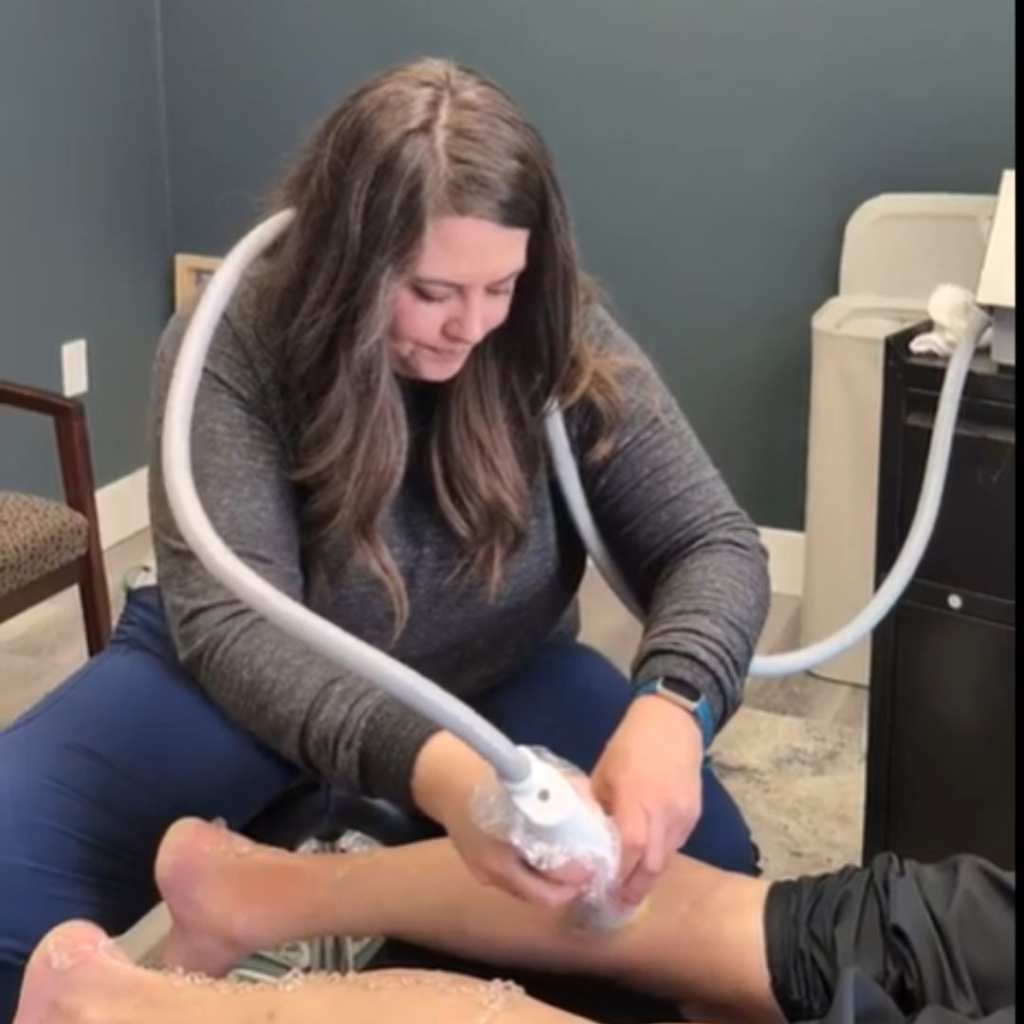
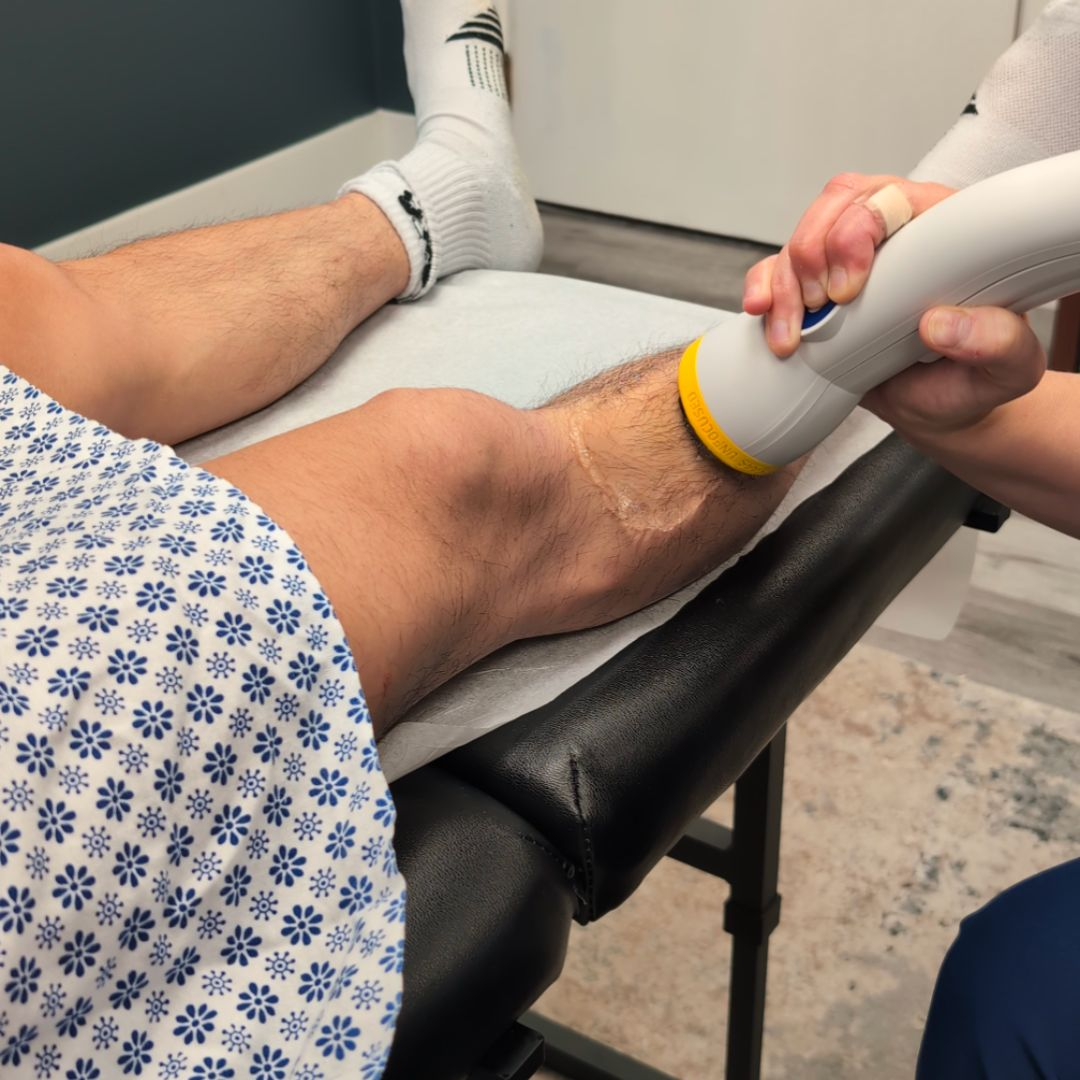
SoftWave therapy has an excellent safety profile with most patients experiencing minimal to no side effects. When adverse effects do occur, they are typically mild, temporary, and resolve within 24-48 hours.
Is SoftWave Therapy Safe? FDA Clearance and Clinical Evidence
SoftWaveTRT is FDA 510(k) cleared for: Activation of connective tissue as well as pain reduction and Improved blood supply. The combination of FDA clearance, clinical research, and extensive real-world use confirms SoftWave therapy as a safe, effective treatment option for patients seeking alternatives to surgery or long-term medication use.
Extensive research demonstrates SoftWave therapy’s safety:
No Microtrauma
No microtrauma unlike traditional focused shockwave devices
Minimal side effects
Minimal side effects with most patients experiencing no adverse reactions
Professional Admin
Professional administration by trained healthcare providers ensures optimal safety
broad clinical acceptance
Broad clinical acceptance across multiple medical specialties
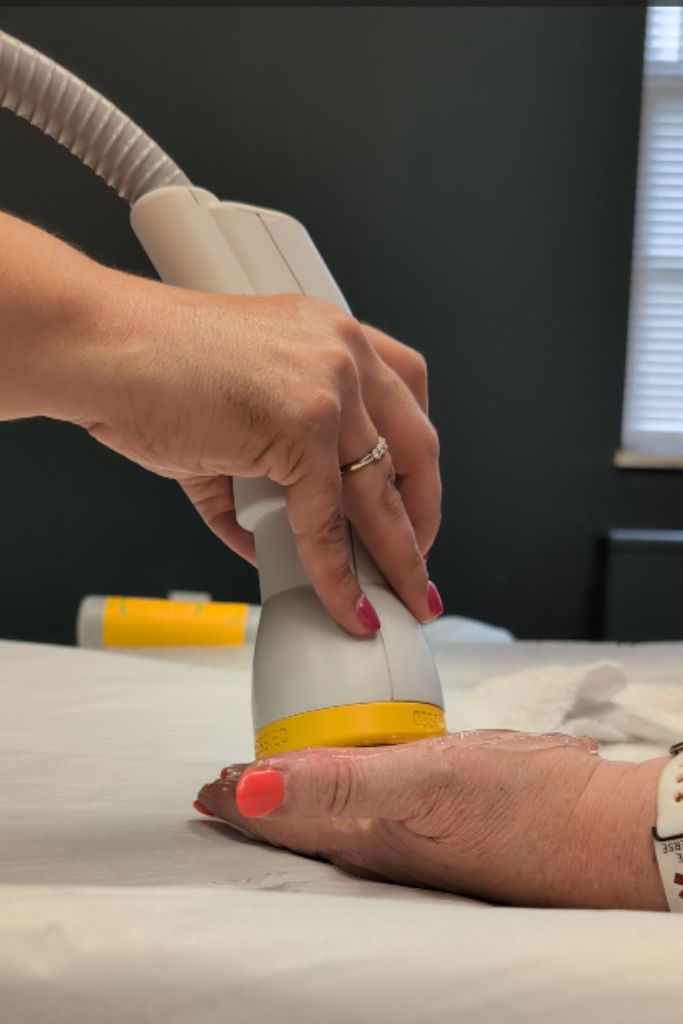
Common Mild Side Effects
It’s important to note that the majority of individuals undergoing SoftWave therapy experience only mild and temporary side effects, if any. The overall safety profile of SoftWave therapy is considered favorable. However, the specific side effects and their likelihood may vary depending on factors such as the individual’s health condition, treatment intensity, and response to the therapy.
The majority of patients tolerate SoftWave therapy exceptionally well, with studies showing 90% satisfaction rates and most experiencing noticeable improvement after their first treatment.
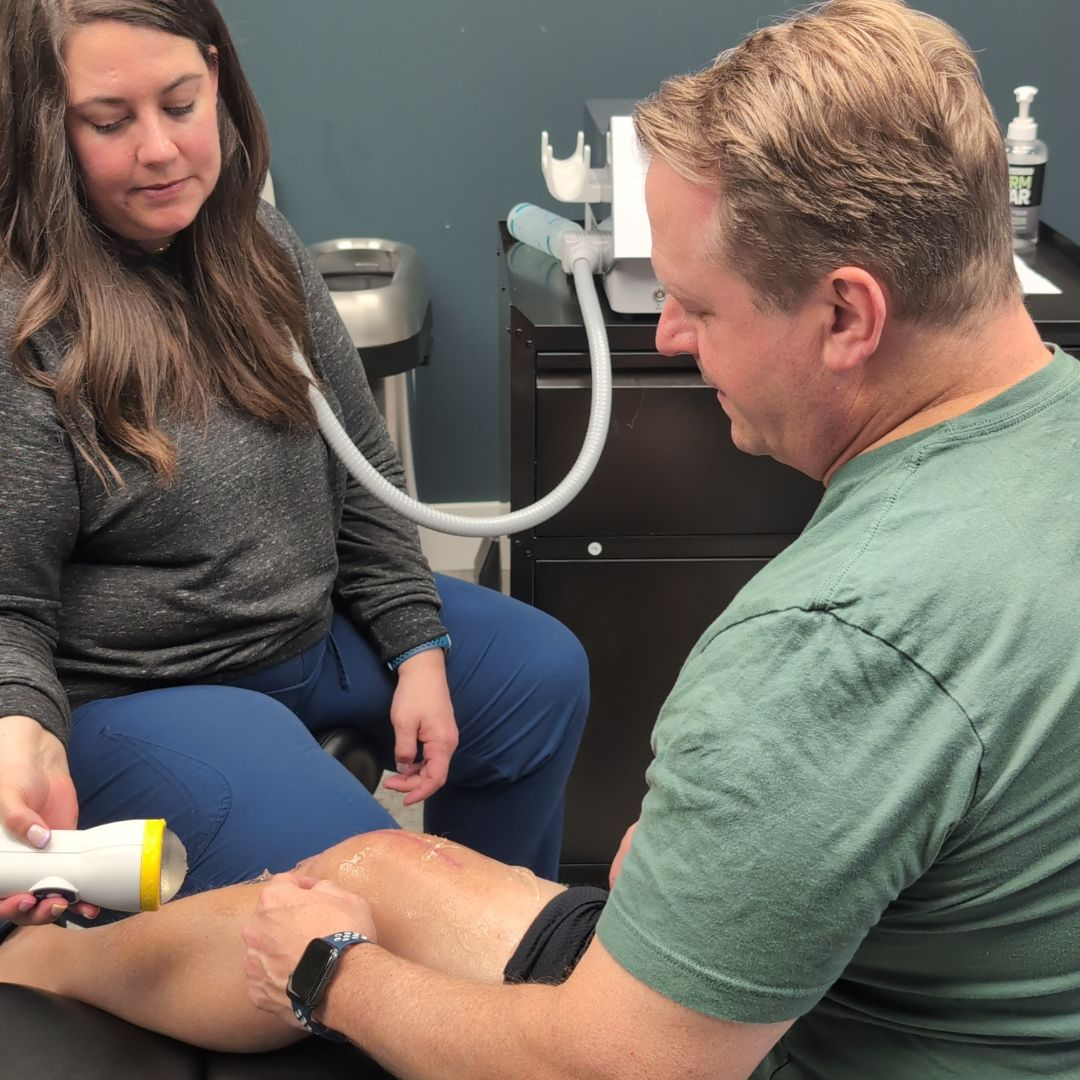
Temporary Skin Changes
Mild redness at the treatment site lasting a few hours to days
Light swelling due to increased blood flow and inflammatory response
Temporary soreness similar to post-exercise muscle fatigue
Sensory Responses
Brief tenderness over inflamed or damaged tissues during treatment
Muscle twitching – occasional involuntary contractions that are painless
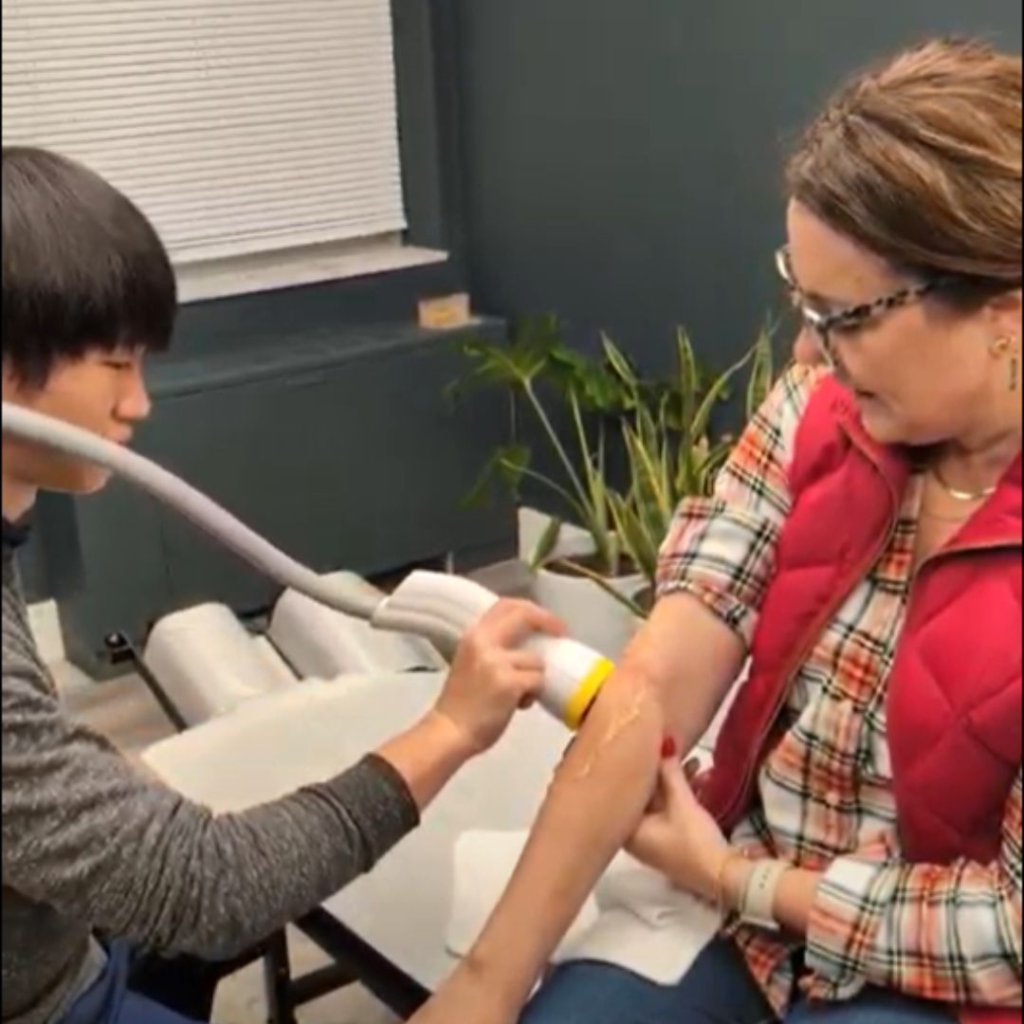
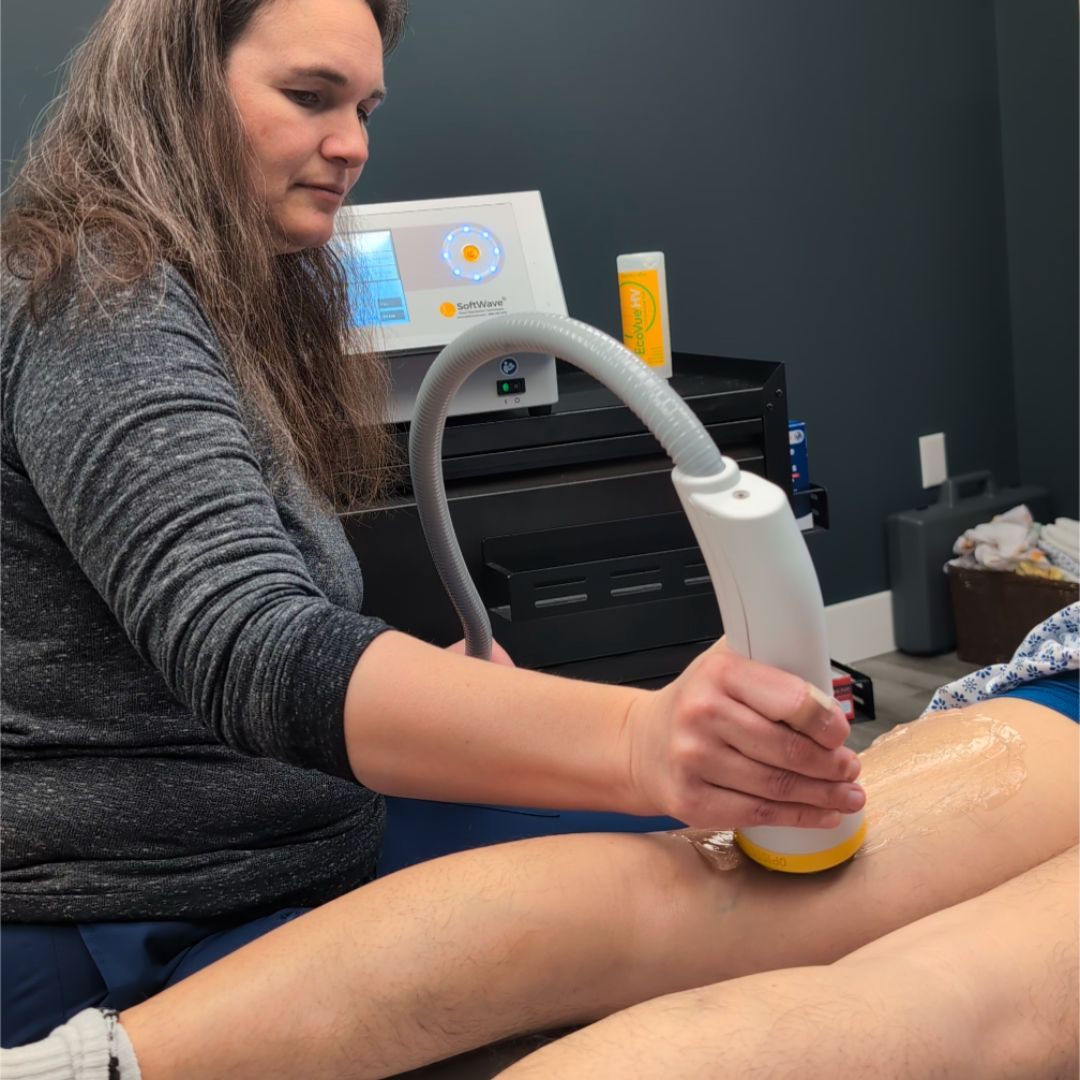
Rare Complications
While uncommon, potential complications may include:
Blistering – extremely rare with proper technique and settings
Localized bruising in areas with thin skin or less subcutaneous tissue
Temporary changes in sensation – usually resolve without intervention
What Are the Long-Term Effects of SoftWave Therapy?
The long-term effects of SoftWave therapy are sustained healing and regenerative benefits that can last months to over a year following treatment completion. Unlike temporary symptom management approaches, SoftWave promotes genuine tissue regeneration that provides lasting relief.
Immediate to Short-term (1-4 weeks):
- Pain reduction and improved mobility often noticed after first session
- Continued improvement as cellular healing processes activate
- Progressive restoration of tissue function
Medium-term (1-3 months):
Tissue regeneration reaches peak effectiveness as stem cells complete repair cycles
Collagen production increases, strengthening connective tissues
Long-term (6-12+ months)
- Sustained pain relief lasting 6+ months is common
- Structural tissue improvements providing lasting benefits
- Reduced need for ongoing treatments due to actual healing rather than symptom masking
SoftWave Therapy Sucess
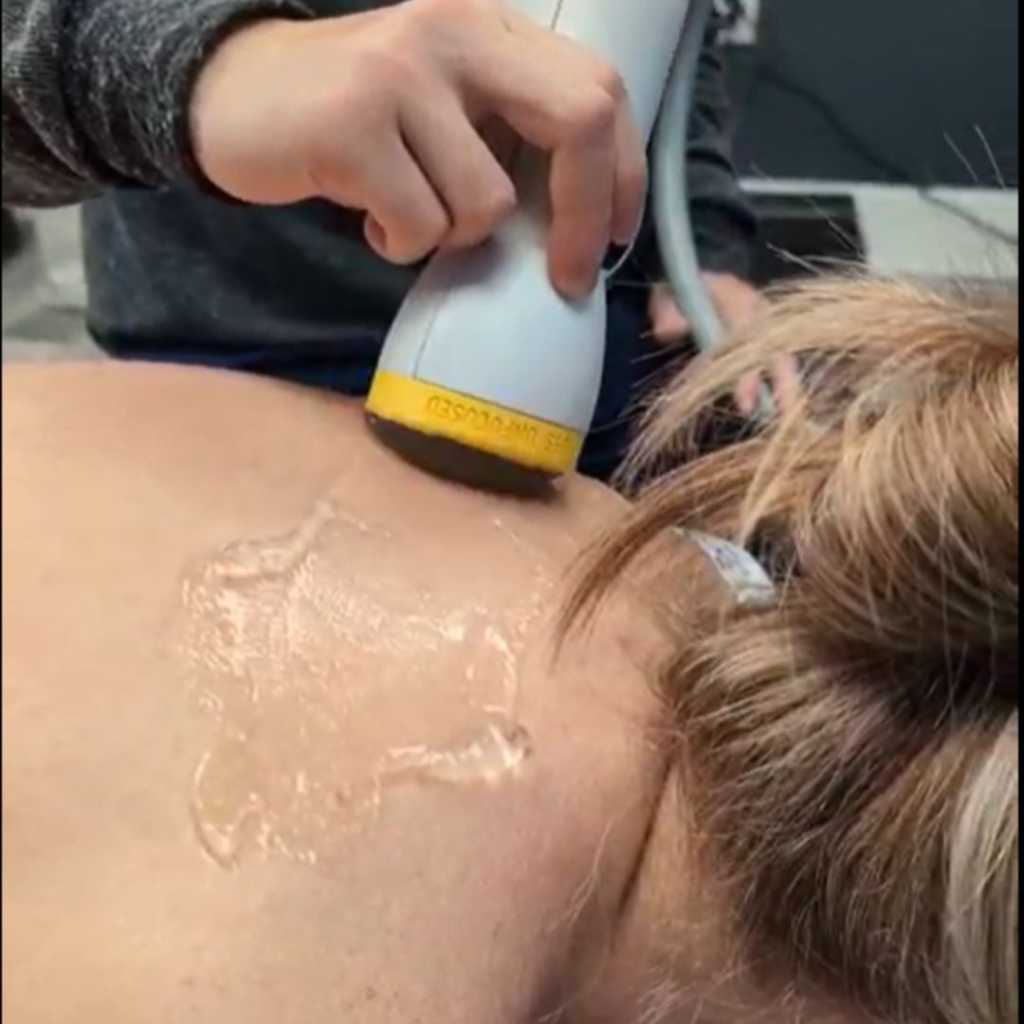
Softwave therapy has many long-term benefits for patients, including increased collagen production, enhanced range of motion, reduced pain and inflammation, improved healing and recovery time, and non-invasive and safe treatment.

Written and medically reviewed by Dr. Faith Swartzendruber, DC
Ohio Chiropractic License: DC-05144 | Palmer College of Chiropractic
Founder, Simply Well Chiropractic, Cincinnati
– Freya