SoftWave vs. Traditional Shockwave Therapy
Schedule your $49 Discovery Session today!
SoftWave Therapy and traditional shockwave therapy both use acoustic energy to stimulate healing, but SoftWave is designed to treat a larger area more gently while still reaching deep tissues, which typically means more comfort, less risk of tissue irritation, and strong regenerative effects for many musculoskeletal conditions.
SoftWave Therapy: One Technology, Five Names
SoftWave Therapy is one breakthrough technology that often goes by several different names, which can be confusing when you are researching treatment options online or talking with different providers. In this section, we will break down the five most common terms used for SoftWave so you can recognize when you are actually looking at the same regenerative technology, no matter what it is called.
All of these terms describe SoftWave’s FDA-cleared electrohydraulic technology. At Simply Well Chiropractic, we use the most advanced SoftWave system to deliver superior results for Cincinnati patients.
What Is SoftWave Therapy?
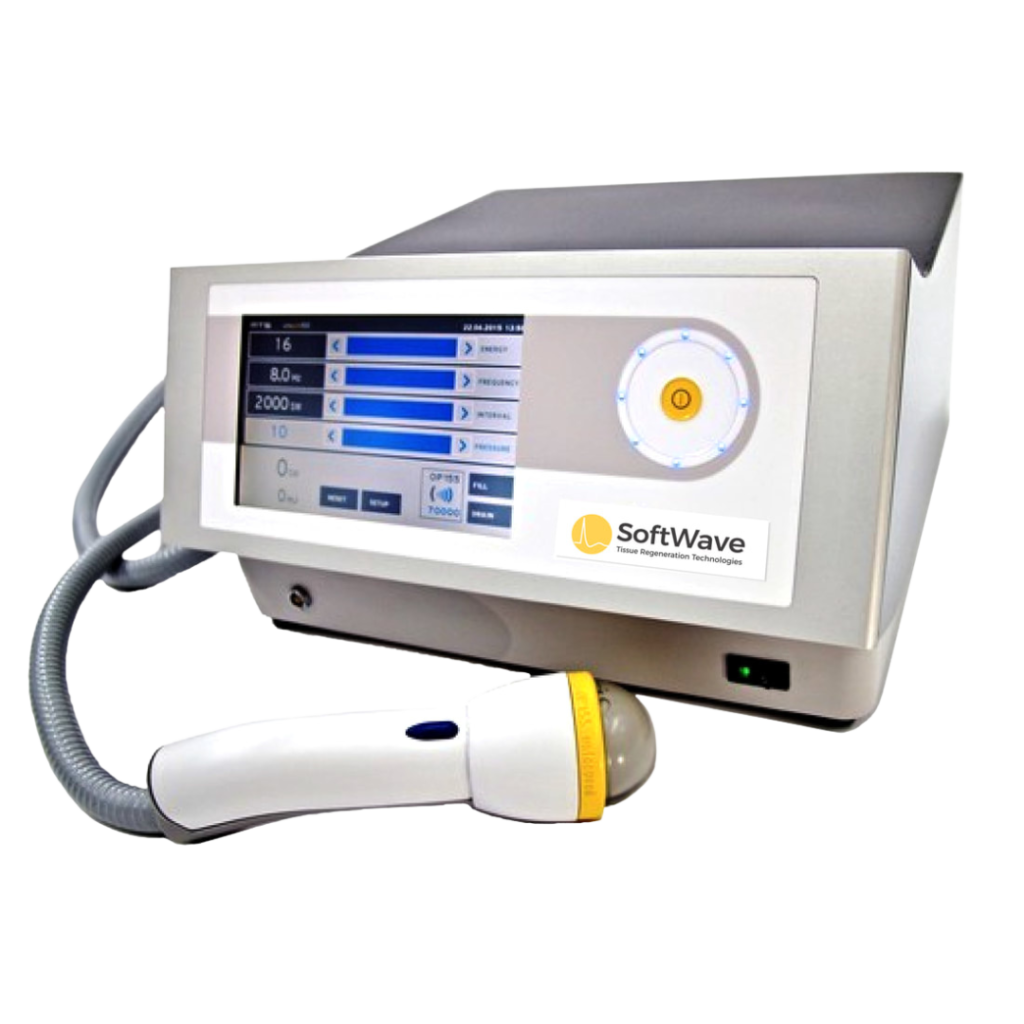
SoftWave is a patented form of shockwave therapy that uses low-intensity, broad‑focused acoustic waves to stimulate your body’s natural healing response. These waves penetrate both superficial and deep tissues and can cover an area up to roughly 7 cm by 12 cm per pulse, allowing us to treat not only the painful spot but the surrounding dysfunctional tissue as well. At Simply Well Chiropractic, SoftWave is FDA‑cleared for tissue regeneration and is commonly used for plantar fasciitis, knee pain, chronic joint pain, sports injuries, neuropathy, and stubborn soft tissue problems that have not responded to other care.
During a session, a handheld applicator glides over a thin layer of ultrasound gel while sending gentle acoustic pulses into the tissue, creating a pulsing or tapping sensation without the need for anesthesia or injections in most patients. These sound waves trigger a cascade of biological responses: increased blood flow, modulation of chronic inflammation, activation of dormant connective tissue cells, and recruitment of your own stem cells to the injured area, supporting true tissue repair rather than temporary symptom relief.
What Is Traditional Shockwave Therapy?
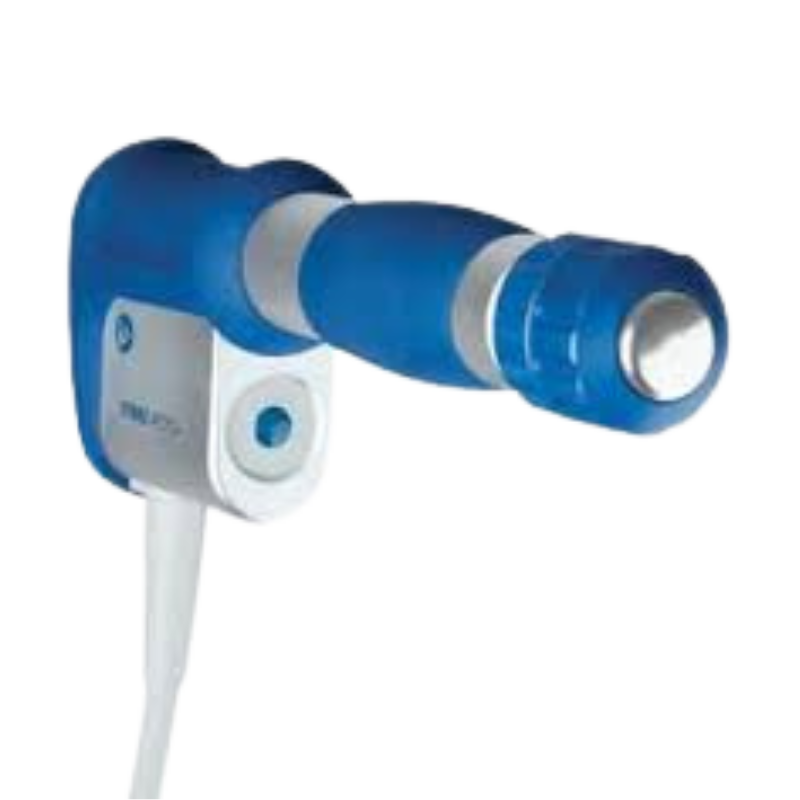
Traditional shockwave therapy (often called ESWT) includes focused and radial devices that deliver higher‑pressure acoustic pulses to a small target area. Focused shockwave concentrates energy at a precise focal point deep in the tissue, which can be helpful for some stubborn problems but is often more intense and may require numbing or anesthesia, especially at higher settings. Radial shockwave spreads mechanical pressure outward near the skin surface and is frequently used for more superficial problems, but it is not a “true” shockwave and may not reach deeper structures as effectively.
Because energy is concentrated in a small zone, traditional shockwave can create microtrauma in order to stimulate healing, which is why patients sometimes experience more soreness, bruising, or post‑treatment irritation. For some individuals this is acceptable, but for others—especially those with sensitive tissues, high pain levels, or multiple areas that need care—the experience can be uncomfortable enough to limit how aggressively the provider can treat.
why softwave therapy is superior
SoftWave’s patented electrohydraulic technology addresses these limitations, which is why our patients achieve lasting results that generic shockwave providers cannot match.
Electrohydraulic Technology
SoftWave uses electrohydraulic unfocused waves that penetrate deeper (up to 4-5 inches) compared to radial devices (only 1-2 inches). This means we can treat tissue damage that other Cincinnati providers simply can’t reach.
Unfocused Waves = Better Coverage
Unlike focused shockwave devices that treat only pinpoint areas, SoftWave’s unfocused technology covers larger treatment zones in each session—faster results with more comfortable treatments.
Superior Stem Cell Activation
Clinical research shows SoftWave activates up to 300% more stem cells compared to radial shockwave devices—this is why our patients experience tissue regeneration, not just temporary pain relief.
| Feature | SoftWave (Simply Well) | Generic Radial Shockwave | Focused Shockwave |
|---|---|---|---|
| Technology Type | Electrohydraulic unfocused | Pneumatic radial pulse | Electromagnetic focused |
| Penetration Depth | 4-5 inches | 1-2 inches | 2-3 inches (pinpoint) |
| Treatment Area | Large coverage per pulse | Small surface area | Very small pinpoint |
| Stem Cell Activation | Up to 300% increase | Minimal activation | Moderate activation |
| Comfort Level | Gentle, well-tolerated | Can be uncomfortable | Can be painful |
| FDA Clearance | ✓ Multiple indications | ✓ Limited indications | ✓ Specific indications |
| Tissue Regeneration | Proven angiogenesis | Limited evidence | Moderate evidence |
| Best For | Chronic conditions, deep tissue | Superficial muscle pain | Calcific deposits |
*Not all shockwave devices are equal. SoftWave’s patented technology delivers superior depth, coverage, and regenerative capacity.
Why Simply Well Chiropractic Offers SoftWave (Not Traditional Shockwave)
At Simply Well Chiropractic in Cincinnati, SoftWave is integrated into a broader plan that includes gentle chiropractic adjustments, movement recommendations, and nervous system‑focused care to address both the site of pain and the underlying biomechanical stress that caused it. This whole‑body approach is especially helpful for active adults, athletes, and people who have “tried everything” and still live with chronic pain, numbness, or stiffness.
It Is Diagnostic AND Therapeutic
SoftWave is “smart.” When we run the applicator over healthy tissue, you won’t feel much. When we pass over inflamed or damaged tissue, you will feel a distinct “thud” or pulse. This allows Dr. Faith to find the exact root cause of your pain—even if it’s referred from a different area—and treat it in the same session. Traditional shockwave cannot do this.
No Micro-Trauma Required
Traditional shockwave relies on causing small amounts of damage (micro-trauma) to force the body to repair itself. SoftWave uses mechanotransduction: the sound waves physically squeeze your cells, causing them to shed “exosomes” that signal your body to repair tissue and lower inflammation without causing new damage. This means faster recovery times and no bruising.
A Wider Treatment Zone
Traditional focused shockwave hits a tiny point (like a pencil tip). If the doctor misses the exact spot by a millimeter, the treatment is less effective. SoftWave’s “unfocused” beam covers a large area (like a soup can), ensuring the entire injured joint, tendon, and surrounding tissue is bathed in healing energy.
Because SoftWave is generally more comfortable and covers a larger area, we can often treat multiple contributing regions in a single visit—such as the plantar fascia, calf, and gluteal muscles for heel pain—without pushing tissues to the point of significant irritation. Many patients notice decreased pain and improved mobility within the first few sessions, and the regenerative effects continue to unfold as the newly stimulated cells keep repairing tissue between visits.
What to Expect at Your SoftWave Visit in Cincinnati
When You First Arrive
Dr. Faith will review your health history, discuss your main concerns, and answer any initial questions so you know exactly how SoftWave fits into your overall treatment plan.
Evaluation and “Mapping” the Problem Area
Next, Dr. Faith will examine the painful area and surrounding joints or tissues to understand how your body is moving and where dysfunction is coming from. They will then perform a SoftWave “mapping” scan, using the handheld device to gently search for hotspots—areas where inflammation, poor circulation, or tissue damage are most active.
As the acoustic waves pass through the tissue, you may feel more intense pulsing or tenderness in problem spots, which helps confirm exactly where your body needs the most attention. This process allows your chiropractor to create a targeted plan instead of guessing or treating only where you feel surface-level pain.
– Hannah
What the Treatment Itself Feels Like
Most sessions last about 5–15 minutes of active treatment time, depending on how many areas are being addressed and the severity of your condition. Patients often describe the feeling as strange but tolerable; intensity can be adjusted at any point to keep you comfortable while still stimulating a healing response.
Right After Your Session
When your treatment is finished, you can stand up and walk out without any downtime—there are no injections, incisions, or medications involved. Many people notice immediate changes such as decreased pain, easier movement, or a sense of lightness or looseness in the treated area, while others feel gradual improvement over the next few days as inflammation decreases.
It’s also normal to experience mild soreness that feels similar to post-workout fatigue as your body begins repairing tissue. Your provider will review what to expect over the next 24–72 hours, including simple activity or hydration recommendations to support the healing process.
Planning Your Next Steps
Before you leave, Dr. Faith will discuss whether additional SoftWave sessions are recommended based on your goals, exam findings, and how your body responded during the visit. They’ll outline a personalized plan that may include a short series of SoftWave treatments, chiropractic adjustments, or supportive exercises to help you get the best possible results from your care in Cincinnati.
Schedule Your softwave therapy session at simply well chiropractic
You don’t have to guess. We offer a Discovery Session where we use the SoftWave technology on your problem area. You will know within minutes if it works for you because you will feel the deep “bio-feedback” signal and typically experience immediate range-of-motion improvement.
Frequently Asked Questions
Is SoftWave the same as “extracorporeal shockwave therapy” (ESWT)?
Yes and no. “ESWT” is the broad medical category. SoftWave is the most advanced type of ESWT (electrohydraulic), which is distinct from the older electromagnetic or piezoelectric versions.
Why is SoftWave less painful?
Because the energy is “unfocused.” Instead of concentrating all the heat and force on a single microscopic point (which hurts), the energy is spread widely. This lowers the intensity per square inch while delivering more total energy to the tissue.
Can I get SoftWave if I’ve had cortisone shots?
We recommend waiting at least 4-6 weeks after a steroid injection before starting SoftWave, as steroids suppress the healing response we are trying to activate.
How many sessions will I need, and how long do the results last?
Most new patients start with a care plan of 6-8 sessions (typically twice a week). Because SoftWave activates your body’s own stem cells and recruits blood flow to heal the tissue permanently—rather than just masking pain—the results are often long-lasting. Many patients experience relief for months or even years after completing their initial care plan. We may recommend a “tune-up” session every 4–6 weeks for maintenance if you have a degenerative condition like severe arthritis.
Is there anyone who should NOT get SoftWave Therapy?
While SoftWave is extremely safe, we cannot treat areas with active cancer or open growth plates (in children). It is also contraindicated if you are pregnant (we cannot treat over the abdomen) or if you have a pacemaker in the immediate treatment area. However, unlike many other therapies, SoftWave can be used safely over metal implants (like knee or hip replacements) because the acoustic waves reflect off the hardware without heating it up.
Address
5721 Dragon Way #110, Cincinnati, OH 45227
info@simplywellchiro.com
Phone
(513) 271-1233

Written and medically reviewed by Dr. Faith Swartzendruber, DC
Ohio Chiropractic License: DC-05144 | Palmer College of Chiropractic
Founder, Simply Well Chiropractic, Cincinnati