
Ready to Explore Non-Surgical Knee Osteoarthritis Treatment?
$49 Discovery Session at Simply Well Chiropractic
If knee osteoarthritis is making it hard to walk, climb stairs, or stay active in Cincinnati, you’re not alone—knee arthritis is one of the most common causes of chronic knee pain in adults. Many local patients are told their only real options are injections or joint replacement surgery, but today there are evidence‑based, non‑surgical treatments that can relieve pain, improve function, and in some cases delay or avoid surgery altogether. At Simply Well Chiropractic in Cincinnati, we combine conservative care, lifestyle guidance, and SoftWave Therapy—a non‑invasive, tissue‑regenerating technology—to help patients with knee osteoarthritis move comfortably again.
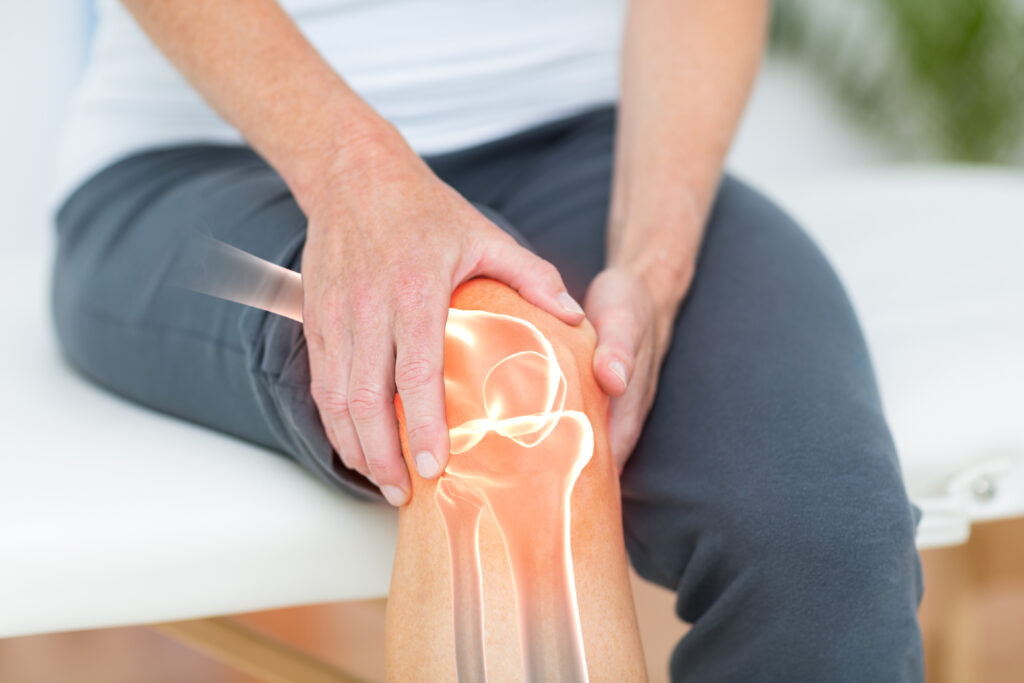
Let’s talk about your knee. Simply Well Chiropractic specializes in treating knee osteoarthritis with SoftWave Therapy. Schedule a no-pressure evaluation to see if you’re a candidate.
What Is Knee Osteoarthritis?
Knee osteoarthritis is a degenerative joint disease in which the smooth cartilage that cushions the ends of the thigh bone and shin bone gradually breaks down. As cartilage thins and roughens, the joint loses its shock‑absorbing ability, inflammation develops, and the space between the bones narrows. Over time, this can lead to bone‑on‑bone contact, bone spur (osteophyte) formation, chronic pain, stiffness, and visible changes in knee alignment.
Common medical terms you may see on your X‑ray report include:
UNDERSTANDING KNEE OSTEOARTHRITIS
Knee osteoarthritis is progressive, meaning it typically worsens over time without intervention. However—and this is crucial—progression is not inevitable. Research shows that treating osteoarthritis early and aggressively can slow or even halt progression, and in many cases, can reverse some damage.
The Cartilage Breaks Down
The protective layer thins and develops cracks, reducing its ability to absorb shock and friction.
Inflammation Develops
The damaged joint triggers chronic inflammation, leading to swelling, stiffness, and that characteristic “creaky” feeling.
Bone-on-Bone Contact Occurs
As cartilage erodes, the underlying bones begin to rub against each other directly, causing pain and inflammation.
Joint Space Narrows
Over time, the space between bones decreases, further compromising function.
Bone Spurs Form
Your body attempts to stabilize the unstable joint by forming bone growths called osteophytes, which further restrict movement and increase pain.
Knee osteoarthritis is progressive, meaning it typically worsens over time without intervention. However—and this is crucial—progression is not inevitable. Research shows that treating osteoarthritis early and aggressively can slow or even halt progression, and in many cases, can reverse some damage.

Who Is at Risk in Cincinnati?
Your existing risk‑factor section is good; here’s an expanded, search‑rich version you can blend in.
You are more likely to develop symptomatic knee osteoarthritis if you have one or more of the following risk factors:
- Age over 40, with risk rising with each decade.
- Excess body weight or obesity, which increases joint load and accounts for a significant portion of knee OA cases.
- Prior knee injuries such as ACL tears, meniscus tears, fractures, or ligament sprains.
- Occupations or sports involving frequent kneeling, squatting, running, jumping, or heavy lifting.
- Muscle weakness in the quadriceps and hamstrings, which reduces joint stability and increases cartilage stress.
- Female sex, especially after midlife, when knee osteoarthritis becomes more common and often more severe.
- Genetic predisposition or a family history of osteoarthritis.
- Leg alignment issues, such as bowlegs or knock‑knees, that concentrate load on one side of the joint.
Symptoms of Knee Osteoarthritis
Patients in Cincinnati often describe knee osteoarthritis symptoms in a very similar way, regardless of where they receive care. You may notice:
Pain – Usually centered around or behind the kneecap, in the inner or outer knee, or throughout the entire knee joint. Pain is typically worse with activity, weight-bearing, and after sitting for long periods. Morning pain and stiffness that improves with movement is classic for OA.
Stiffness – The joint feels “creaky” or stiff, especially in the morning or after rest. This improves with gentle movement but returns with inactivity.
Swelling – The joint appears puffy or enlarged, and swelling often increases throughout the day or after activity.
Reduced Range of Motion – You notice you can’t bend or straighten your knee fully. Walking, climbing stairs, squatting, and kneeling become increasingly difficult.
Popping, Cracking, or Grinding – You may hear or feel crepitus (a popping or grinding sensation) when moving your knee. This occurs because rough cartilage surfaces are no longer smooth.
Weakness or Instability – Your quadriceps muscles weaken as you use your knee less due to pain, creating a cycle of muscle atrophy and further instability. Your knee may feel like it might “give out.”
Loss of Function – Over time, the pain and stiffness prevent you from doing the activities you love. Walking long distances, playing sports, exercise, traveling, and even simple tasks like grocery shopping become painful or impossible.
If these symptoms are progressing over months or years, it’s important to have your knee evaluated early rather than waiting until the joint is severely damaged.
Stages of Knee Osteoarthritis
Osteoarthritis progresses through stages, each with specific characteristics. Understanding your stage helps you understand your prognosis and treatment options.
Stage 1: Minor/Early Osteoarthritis
- Minimal cartilage damage visible on X-rays
- Slight bone spur development
- Symptoms are mild or inconsistent
- Pain appears mainly after activity
- Morning stiffness lasts less than 30 minutes
- Limited joint space narrowing
- Often undiagnosed because symptoms are so mild
Stage 2: Mild/Moderate Osteoarthritis
- Cartilage damage is visible on imaging
- Multiple bone spurs are present
- Pain occurs regularly with activity
- Stiffness develops, especially in the morning
- Swelling after activity
- Joint space narrowing becomes evident
- Range of motion may be slightly limited
Stage 3: Advanced Osteoarthritis
- Significant cartilage loss
- Prominent bone spurs
- Daily pain, even at rest
- Marked stiffness and reduced mobility
- Frequent swelling and inflammation
- Obvious deformity of the knee
- Pain with most activities
Stage 4: Severe/End-Stage Osteoarthritis
- Severe cartilage loss (bone-on-bone)
- Large bone spurs
- Constant pain, including at night
- Severe stiffness and very limited range of motion
- Significant swelling
- Visible knee deformity
- Disability that significantly impairs quality of life
- Surgery may be the only remaining option
Osteoarthritis progresses through stages, each with specific characteristics. Understanding your stage helps you understand your prognosis and treatment options.
Standard Treatment Options for Knee Osteoarthritis
Most people approach knee osteoarthritis with conventional treatments that offer limited, temporary relief:
Rest and Activity Modification. While appropriate during acute flare-ups, prolonged rest actually worsens osteoarthritis by allowing muscles to atrophy and joints to stiffen further. Movement—the right kind of movement—is essential for maintaining joint function.
Cortisone/Steroid Injections. While these provide quick relief—typically lasting 3 to 6 months—research shows they don’t repair cartilage. In fact, repeated steroid injections may accelerate cartilage degradation over time. Many physicians now limit these to 2-3 injections per year per joint.
Viscosupplementation (Gel Injections). These intra-articular injections use gel-like hyaluronic acid to lubricate the joint. Results are modest and temporary, typically providing relief for 3-6 months. They don’t repair cartilage or halt progression.
Physical Therapy Alone. Exercise strengthens supporting muscles and improves range of motion, making it a critical component of any OA treatment plan. However, for many patients—especially those with advanced OA—physical therapy alone doesn’t provide sufficient pain relief or tissue repair.
Oral Medications and Painkillers.
- NSAIDs (ibuprofen, naproxen) reduce inflammation and pain but only temporarily and come with GI side effects, increased cardiovascular risk, and potential kidney damage with long-term use. Most importantly, they don’t repair cartilage or halt progression.
- Acetaminophen masks pain but has no anti-inflammatory effect and offers only modest relief.
- Opioids are addictive, provide inconsistent relief, and accelerate cognitive decline. They’re increasingly avoided even by traditional medicine.
Knee Replacement Surgery. This is the “final option” for severe, end-stage OA when all other treatments have failed. While total knee replacement is effective at relieving pain for about 10-15 years, it’s major surgery with significant risks
The bottom line? These conventional treatments address pain and symptoms but do nothing to repair the actual cartilage damage driving your osteoarthritis. Most provide only temporary relief, and they don’t address the underlying disease process.
How SoftWave Therapy Works for knee Osteoarthritis
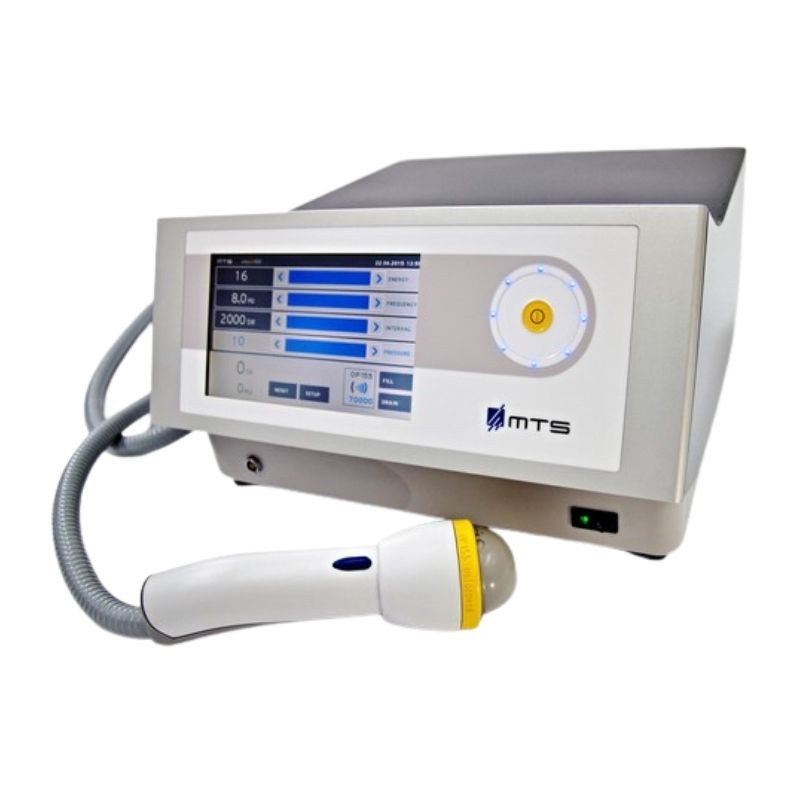
SoftWave Therapy is an FDA‑cleared, non‑invasive technology that uses unfocused acoustic waves to stimulate tissue repair inside the knee joint. For patients with mild to advanced knee osteoarthritis in Cincinnati, SoftWave can be added to a conservative plan or used when medications, injections, and physical therapy alone have not provided enough relief.
Research and clinical experience show that SoftWave can:
Stimulates Cartilage Regeneration. SoftWave’s electrohydraulic acoustic pulses trigger the body’s natural healing response at the cellular level. This stimulates the production of new cartilage cells (chondrocytes) and promotes the synthesis of new cartilage matrix. For the first time, patients have a treatment that actually rebuilds the protective cartilage that was lost.
Increases Blood Flow to the Joint. SoftWave therapy promotes neovascularization—the growth of new blood vessels that deliver oxygen and nutrients to the joint. This enhanced circulation accelerates healing and provides the building blocks your joint needs to repair itself.
Triggers Stem Cell Activation. Your body contains stem cells capable of differentiating into cartilage cells. SoftWave activates these stem cells, directing them to the damaged joint where they promote healing and tissue regeneration.
Reduces Chronic Inflammation. Osteoarthritis involves chronic inflammatory signaling within the joint. SoftWave decreases inflammatory markers and promotes the release of anti-inflammatory compounds, creating an environment conducive to healing. This is why patients experience reduced pain and swelling.
Improves Joint Lubrication. SoftWave therapy enhances the production and quality of synovial fluid (the fluid that lubricates joints), improving joint mechanics and reducing friction between surfaces.
Prevents Further Cartilage Damage. By reducing inflammation and restoring proper joint biomechanics, SoftWave prevents the accelerated cartilage wear that occurs when joints function abnormally.
Restores Normal Knee Function. As cartilage repair progresses, swelling decreases, and inflammation subsides, patients regain range of motion, strength, and stability. The knee functions more normally again.
WHY SIMPLY WELL CHIROPRACTIC IS YOUR BEST CHOICE FOR SOFTWAVE THERAPY IN CINCINNATI
Cincinnati patients with knee osteoarthritis have options. Here’s why Simply Well Chiropractic stands out:
YOUR SOFTWAVE THERAPY TREATMENT PLAN FOR KNEE OSTEOARTHRITIS
Step 1: Comprehensive Evaluation
Your first visit includes a detailed history of your osteoarthritis—when it started, what triggers pain, what provides relief, how it’s affecting your life. We perform a thorough physical examination assessing your range of motion, stability, pain patterns, and muscle strength. We review any existing X-rays or MRI images and may order new imaging if needed. This evaluation tells us the stage of your OA and confirms that SoftWave Therapy is right for you.
Step 2: Personalized Treatment Plan
Based on your evaluation, we develop a customized treatment protocol. Most patients begin with 6-8 SoftWave sessions, typically scheduled 1-2 times per week. We integrate chiropractic adjustments, targeted exercises, and stretching into your plan. We discuss realistic expectations and the timeline for improvement.
Step 3: SoftWave Therapy Sessions
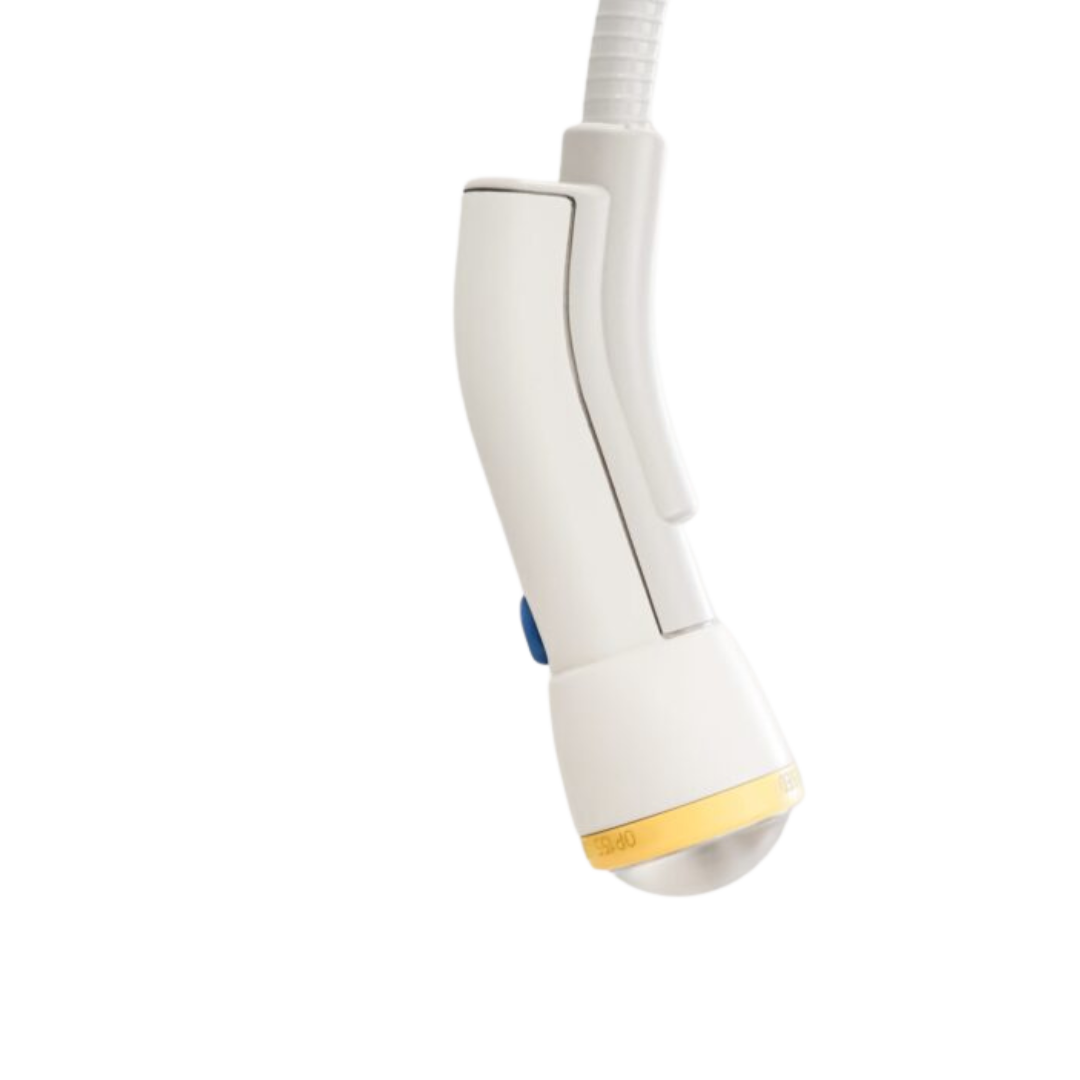
Each session lasts about 10 minutes. You sit comfortably while our doctor applies the handheld SoftWave applicator to your knee. You feel gentle vibrations and may hear soft acoustic pulses—the treatment is painless. Most patients find it relaxing. You return to your normal day immediately with no restrictions or downtime.
Step 4: Ongoing Progress Monitoring
We track your progress closely. Most patients notice improvement within the first 1-3 sessions, with dramatic progress by weeks 4-6. We adjust your treatment plan as needed and teach you exercises and stretches to maintain progress at home.
Step 5: Long-Term Success and Maintenance
As your osteoarthritis heals, we transition you to a maintenance phase. Many patients benefit from occasional “booster” treatments (perhaps 2-3 sessions per year) to maintain optimal results. We teach you preventive strategies—exercises, weight management, activity modification—to protect your knee long-term.
WHAT TO EXPECT: TIMELINE FOR IMPROVEMENT
Week 1-2:
- Mild pain reduction in some patients
- Decreased morning stiffness
- Slight increase in range of motion
- Healing processes activated
Week 3-4:
- Noticeable pain reduction for most patients
- Improved ability to walk, climb stairs, and perform daily activities
- Reduced swelling and stiffness
- Increased confidence in knee stability
Week 5-8:
- Significant pain relief
- Marked improvement in function and range of motion
- Return to activities previously painful
- Continued improvement as cartilage repair progresses
Ongoing:
- Continued improvement over weeks and months
- Optimal results developing 2-3 months after completing treatment series
- Long-lasting relief (2-5+ years typical)
Important Note: Every patient is different. Some experience dramatic improvement quickly, while others improve more gradually. The stage of your osteoarthritis, your age, your overall health, and how well you follow your home exercise program all influence your timeline.
SoftWave vs. Injections, Medications, and Surgery
Many people with osteoarthritis knee pain in Cincinnati are told their main options are injections, medications, or surgery. SoftWave Therapy offers a different approach.
02.
Non-invasive: No needles into the joint, no incisions, and no extended downtime.
03.
Can help delay or avoid surgery: For some patients with arthritis or chronic knee pain, SoftWave can make surgery less urgent—or unnecessary.
04.
Works alongside other care: SoftWave can complement chiropractic care, physical therapy, or your orthopedic plan of care.
Osteoarthritis Doesn’t Have to Mean Surgery. Get Your Knee Evaluated Today.
You already have a strong $49 discovery session CTA. I’d slightly localize and match intent:
If you’re searching for knee osteoarthritis treatment in Cincinnati because pain is limiting your life, you don’t have to jump straight to injections or knee replacement. Schedule your $49 SoftWave Discovery Session at Simply Well Chiropractic to find out whether non‑surgical, regenerative treatment can help you walk, climb stairs, and stay active with less pain.
FREQUENTLY ASKED QUESTIONS ABOUT KNEE OSTEOARTHRITIS
How Fast Does Knee Osteoarthritis Progress?
Progression varies widely. Some people have stable osteoarthritis for years, while others experience rapid worsening. Early intervention with SoftWave Therapy often halts or significantly slows progression.
Can I Prevent Osteoarthritis from Getting Worse?
Absolutely. Weight management, regular appropriate exercise, maintaining muscle strength, protecting your knee from injury, and treating inflammation all slow progression. SoftWave Therapy addresses the underlying disease process, which is why it’s so effective.
Is There Any Cure for Osteoarthritis?
There is no cure in the traditional sense, but SoftWave Therapy comes closer than any other non-surgical option. It can arrest disease progression, significantly improve symptoms, and restore cartilage to functional levels.
Can Young People Get Knee Osteoarthritis?
Yes, especially those with previous knee injuries, significant overweight, or occupations involving repetitive stress. Early intervention prevents progression.
What If SoftWave Therapy Doesn’t Work for Me?
While 70-85% of patients respond well to SoftWave, not everyone does. We assess your response within the first 3-4 sessions. If you’re not responding adequately, we discuss alternative approaches, which may include additional rounds of SoftWave, other minimally invasive options, or—if appropriate—surgical consultation.
Can I Combine SoftWave Therapy with Other Treatments?
Yes. In fact, we recommend combining SoftWave with physical therapy, targeted exercises, and chiropractic care. This integrated approach produces superior results. If you’re on anti-inflammatory medications or other therapies, those can continue while receiving SoftWave.
How Does My Age Affect Treatment Outcomes?
While younger patients may heal slightly faster, SoftWave Therapy is effective across all age groups. Even patients in their 70s and 80s respond well to treatment.
Address
5721 Dragon Way #110, Cincinnati, OH 45227
info@simplywellchiro.com
Phone
(513) 271-1233

Written and medically reviewed by Dr. Faith Swartzendruber, DC
Ohio Chiropractic License: DC-05144 | Palmer College of Chiropractic
Founder, Simply Well Chiropractic, Cincinnati