How to Fix Plantar Fasciitis Fast (and When SoftWave Therapy Can Help)
Fastest Way to Calm Plantar Fasciitis: A 2–4 Week At‑Home Plan (Not Just One Stretch)
Most people can calm plantar fasciitis quickly at home with the right mix of rest, smart loading, stretching, and footwear changes, then use professional care (like chiropractic, SoftWave, or physical therapy) if pain lingers beyond a few weeks or limits walking. The fastest “fix” is not one magic stretch, but a 2–4 week plan that reduces strain on the fascia while it heals and strengthens.
What Plantar Fasciitis Really Is (And Why It Hurts So Much)
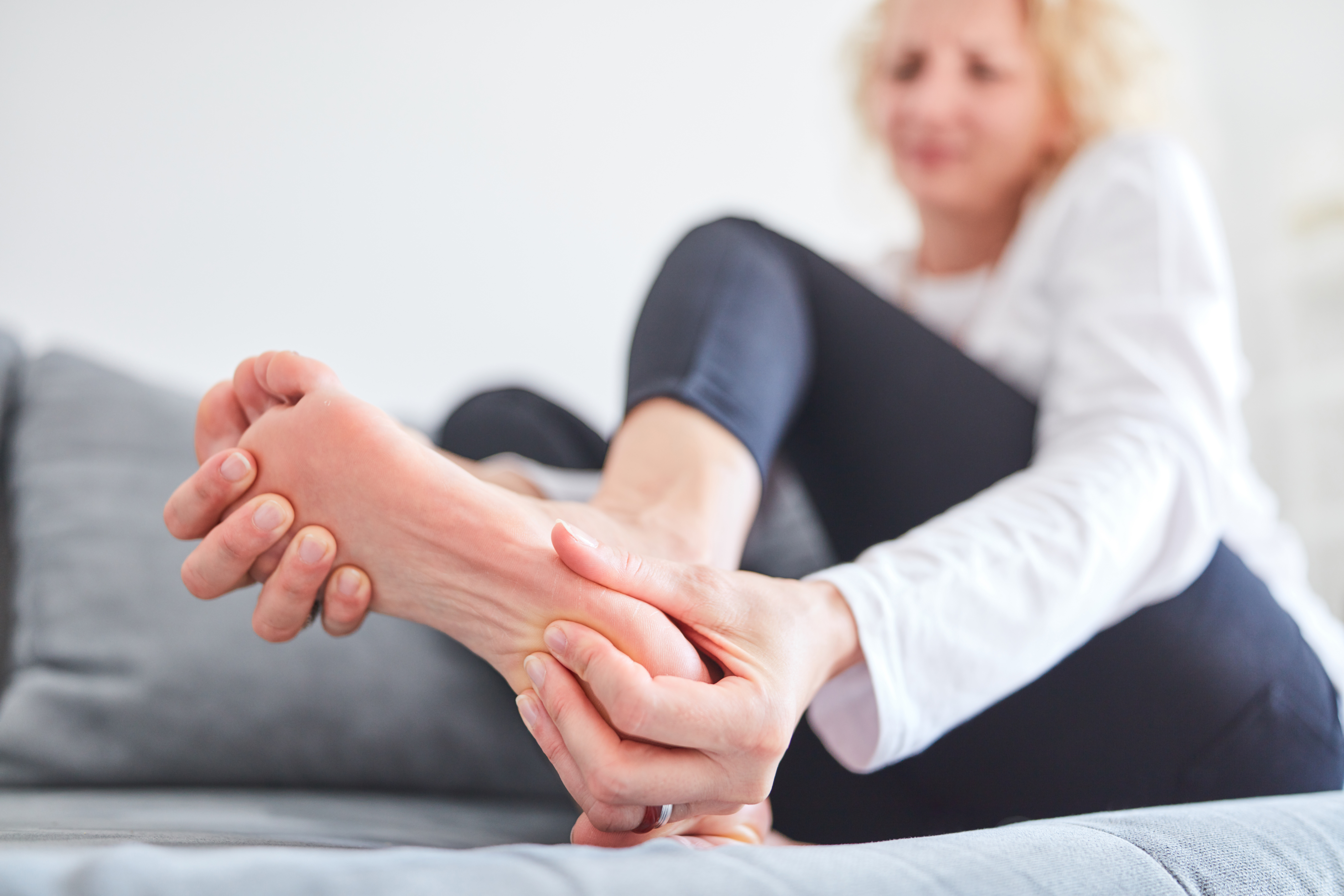
Plantar fasciitis is irritation and micro‑tearing of the thick band of tissue along the bottom of your foot that supports your arch and absorbs shock with every step. It usually shows up as sharp heel or arch pain with the first steps in the morning or after sitting, then may ease as you move and return with prolonged standing or walking.
Heel spurs often show on X‑ray but usually are not the true pain generator; the problem is repetitive stress and tightness in the plantar fascia and calf–Achilles complex. Runners, people on their feet all day, those with flat feet or high arches, and people who are overweight are at higher risk.
How Fast Can Plantar Fasciitis Heal?
With consistent home care, many people feel meaningful relief in a few weeks, but tissue healing typically takes 6–12 weeks and sometimes up to 3–6 months. The “fast” goal is to reduce pain quickly while you protect and rehab the fascia so it does not become chronic.
A good mental model:
- Days 1–7: Calm the fire (pain and inflammation).
- Weeks 2–4: Restore flexibility and foot mechanics.
- Weeks 4–12: Build strength and resilience to prevent flare‑ups.
Quick-Relief At‑Home Steps (First 7–10 Days)
These steps focus on unloading the irritated tissue so it can start to heal quickly.
Smart Rest (Not Total Inactivity)
- Cut back 50–80% on high‑impact activities like running, jumping, or prolonged standing.
- Swap to low‑impact cardio such as swimming, cycling, or an elliptical trainer to stay active without pounding your heel.
- Around home, avoid long periods barefoot on hard floors; wear supportive house shoes or sandals instead.
Ice for Pain and Inflammation
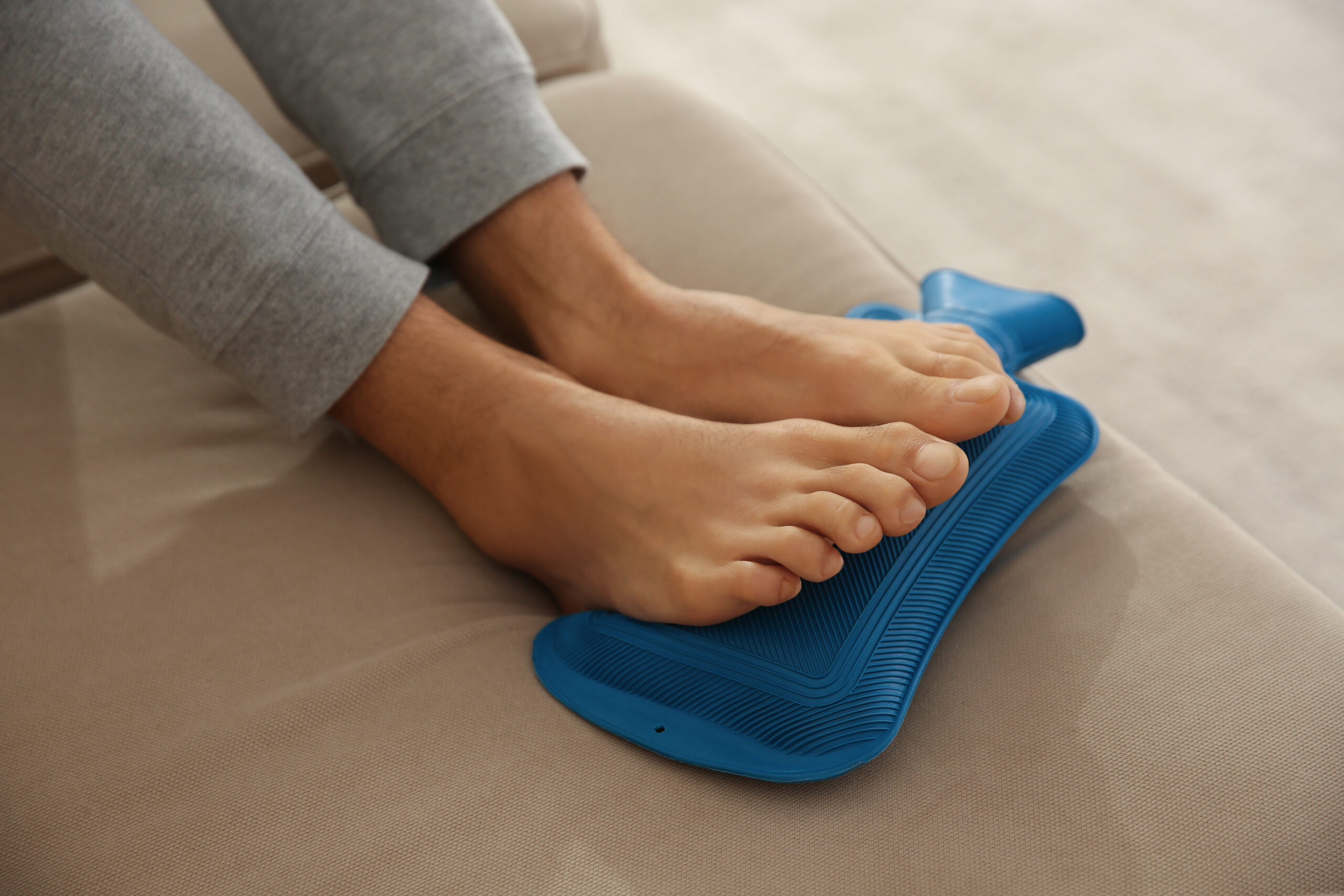
- Apply an ice pack wrapped in a thin towel to the heel/arch 10–15 minutes, 2–4 times per day.
- Option: Freeze a small water bottle and gently roll it under the arch for 5–10 minutes, staying below pain.
Protective Taping

Daily Stretching Routine To Fix Plantar Fasciitis Faster
Tight calves and Achilles load the plantar fascia with every step, so stretching them is one of the most effective, evidence‑based fixes. Aim for 2–3 short stretch sessions per day (especially first thing in the morning).
Stretches should feel strong but not sharp; back off if pain spikes or lingers more than a few minutes afterward.
Morning “First‑Steps” Routine (5 Minutes Before You Stand)
Plantar fascia seated stretch
- Sit, cross your painful foot over the opposite knee.
- Gently pull your toes back toward your shin until you feel a stretch along the arch.
- Hold 15–30 seconds, repeat 3 times.
Ankle pumps and circles
- Gently move the ankle up and down and make circles to “wake up” the fascia and calf before standing.
- 20–30 seconds each direction.
Daytime & Evening Stretches
Do these 2–3 times per day, especially after work or activity.
Wall calf stretch (straight knee – gastrocnemius)
- Stand facing a wall, hands at shoulder height.
- Step the painful foot back, heel flat, knee straight, toes pointing forward.
- Lean forward until you feel a stretch in the calf, not pain.
- Hold 20–30 seconds, repeat 3 times each side.
Wall calf stretch (bent knee – soleus)
- From the same position, slightly bend the back knee while keeping the heel down.
- You’ll feel the stretch lower toward the Achilles and deep calf.
- Hold 20–30 seconds, repeat 3 times.
Towel stretch
- Sit with the leg straight, loop a towel around the ball of the foot.
- Gently pull toward you until the calf and arch stretch.
- Hold 30–45 seconds, repeat 3–5 times.
Footwear, Orthotics, and Night Splints
Footwear Changes That Matter
Supportive shoes are one of the biggest levers for faster relief.
- Choose shoes with firm arch support and a cushioned, stable heel that does not collapse.
- Avoid walking barefoot on tile or hardwood, and avoid flimsy flats or worn‑out athletic shoes.
- If shoes are more than 300–500 running miles old or visibly deformed, replace them.
Inserts and Orthotics
- Over‑the‑counter insoles with firm arch support and a slight heel lift can significantly reduce strain on the fascia and are often as effective as custom orthotics for many patients.
- Heel cups can add cushioning and raise the heel slightly but may be less effective alone than full‑length inserts.
Night Splints
- Night splints hold the ankle in a neutral 90‑degree position, preventing the fascia from shortening overnight and often reducing the brutal “first‑step” pain in the morning.
- Many patients feel improvement within days, but consistent use for 2–4 weeks is usually recommended, or 6–8 weeks in some orthopedic protocols.

When Home Care Is Not Enough: Why SoftWave Therapy Can Speed Healing
Even with a perfect home routine, some cases of plantar fasciitis become chronic and stubborn. In those situations, advanced regenerative therapies can jump‑start healing in tissue that has been irritated for months.
What Is SoftWave Therapy?
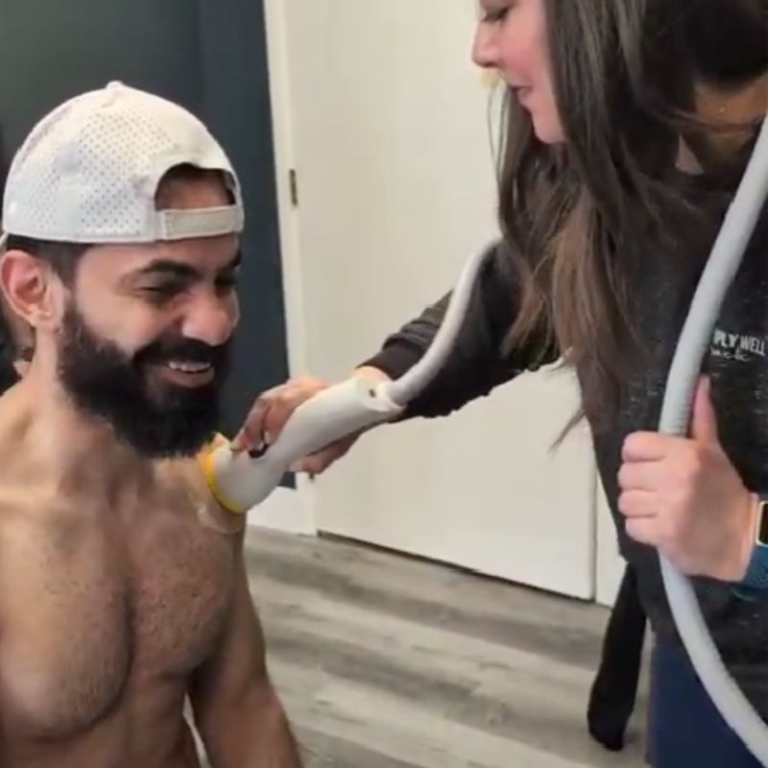
SoftWave is a form of extracorporeal shock wave therapy (ESWT) that uses high‑energy sound waves delivered through the skin into injured tissues. These waves create a controlled mechanical stimulus that can increase blood flow, break up painful adhesions, and trigger a cascade of healing signals in the plantar fascia.
Studies on ESWT for plantar fasciitis have found:
- Significant reductions in pain compared to placebo
- Improved function and quality of life
- Good safety profile as a noninvasive option for chronic heel pain
SoftWave takes this concept and refines how those shock waves are delivered, often allowing treatment over a larger area with real‑time feedback in the clinic.
How SoftWave Helps Plantar Fasciitis Specifically
In chronic plantar fasciitis, the tissue is often not “inflamed” in the classic sense but stuck in a cycle of micro‑tearing and poor healing. By sending focused acoustic waves into the painful region and surrounding fascia, SoftWave can:
- Stimulate local circulation in the heel and arch
- Recruit growth factors and stem-cell-like activity for tissue repair
- Reduce nerve sensitivity in the painful area
- Break up thickened, disorganized tissue so it can remodel more normally
What to Expect During a SoftWave Session
Many plantar fasciitis patients experience:
- Treatment times of about 5-10 minutes focused on the heel, arch, and sometimes calf
- Mild to moderate discomfort during pulses in the most irritated spots, which typically eases as the session continues
- Little to no downtime; most people walk out and resume light activity the same day
Treatments are usually scheduled once weekly or every 1–2 weeks over a short series, often 3–6 visits depending on severity and how long the pain has been present. Many patients notice improvement within the first few sessions, with continued gains as the tissue remodels over several weeks.
Ready to walk without wincing every morning?
If heel pain is making every step a struggle, you do not have to wait months to feel better. At Simply Well Chiropractic, we combine gentle chiropractic care, targeted rehab exercises, and advanced SoftWave Therapy to help plantar fasciitis heal faster—without surgery or long‑term pain pills.
Schedule your plantar fasciitis evaluation today to get a clear diagnosis and a step‑by‑step plan tailored to your feet, your job, and your activity goals.
Call us at (513) 271-1233 or book your appointment online now to start walking comfortably again.
Address
5721 Dragon Way #101, Cincinnati, OH 45227
info@simplywellchiro.com
Phone
(513) 271-1233

Written and medically reviewed by Dr. Faith Swartzendruber, DC
Ohio Chiropractic License: DC-05144 | Palmer College of Chiropractic
Founder, Simply Well Chiropractic, Cincinnati