Restless Leg Syndrome Treatment in Cincinnati
Schedule your $49 Discovery Session today!
What Is Restless Leg Syndrome?
Restless leg syndrome is a neurological condition that causes an irresistible urge to move your legs, often with uncomfortable sensations such as crawling, tingling, pulling, aching, or “electric” feelings.
Symptoms usually get worse when you are resting—like sitting on the couch or lying in bed—and often improve when you get up and move around.
Core diagnostic features that doctors look for include:
- Strong urge to move the legs, usually with unpleasant sensations.
- Symptoms that begin or worsen during rest.
- Partial or complete relief with movement (walking, stretching, pacing).
- Symptoms that follow a circadian pattern, typically worse in the evening or at night.
- Symptoms that are not entirely explained by other conditions like leg cramps, arthritis, or swelling.
RLS can significantly disrupt sleep, energy, focus, and quality of life.
It is more common in women and older adults, but it can appear at any age—even in childhood.
Common Causes and Triggers Doctors Consider
There is no single cause of restless leg syndrome, but several factors are known to contribute.
Medical providers commonly evaluate for:
- Low iron or iron‑deficiency anemia (checked with ferritin and iron blood tests).
- Family history or genetic predisposition.
- Pregnancy, especially in the third trimester.
- Chronic conditions such as kidney disease, diabetes, neuropathy, or peripheral nerve problems.
- Medications that can worsen RLS, including some antidepressants, antipsychotics, antinausea drugs, and certain cold/allergy medicines.
Lifestyle factors can also intensify symptoms, including:
- Caffeine intake (coffee, tea, soda, chocolate).
- Alcohol use, nicotine, and sometimes refined sugars.
- Physical overexertion or, at the other extreme, very sedentary routines.
- Sleep deprivation and irregular sleep schedules.
A thorough workup with your primary care provider, neurologist, or sleep specialist is important to rule out other conditions and identify any reversible contributors such as iron deficiency.
SoftWave Therapy: A Non‑Surgical Option for Foot Tendonitis
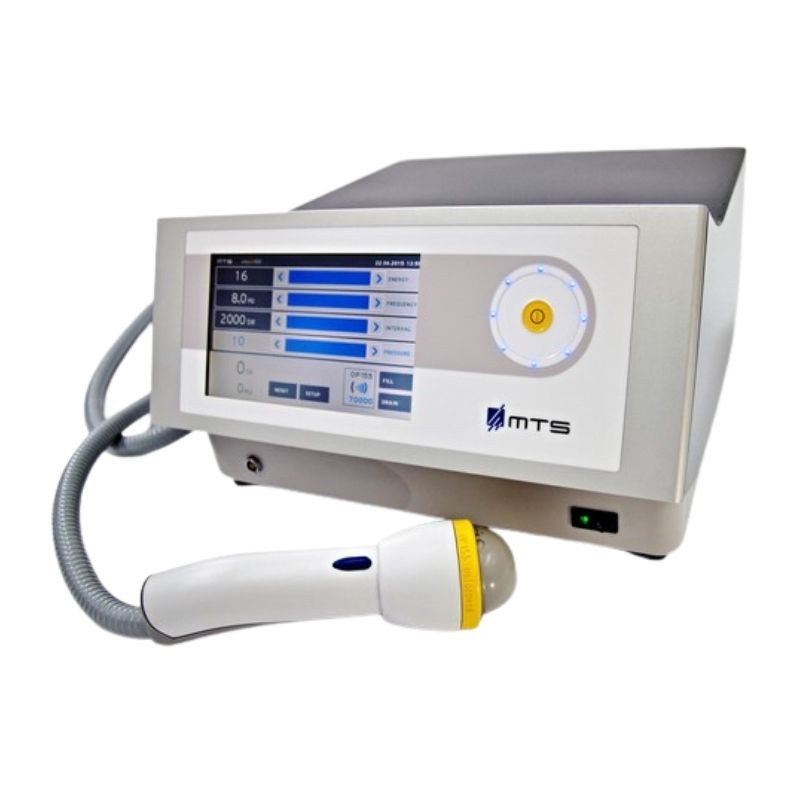
SoftWave Therapy is a noninvasive treatment that uses broad‑focused acoustic (shock) waves to stimulate your body’s natural healing processes.
The technology is FDA‑cleared for musculoskeletal and connective tissue conditions and is used across the U.S. to improve blood flow, reduce inflammation, and activate local stem cells and growth factors.
In people with leg‑dominant problems—including Restless Leg Syndrome and related nerve or circulation issues—SoftWave helps by:
- Delivering acoustic waves into irritated muscles, tendons, and fascia to reduce local pain and tension.
- Improving microcirculation and oxygen delivery to the tissues.
- Supporting regeneration and repair in areas of chronic irritation or overload.
- Modulating nerve signaling and reducing abnormal firing patterns that may contribute to uncomfortable sensations.
SoftWave Therapy has been used successfully for RLS in clinical settings as a non‑pharmaceutical, non‑surgical option with minimal side effects.
Sessions typically last about 10–15 minutes, require no anesthesia or injections, and allow you to return to normal activities right away.
At Simply Well Chiropractic, we use unfocused electrohydraulic SoftWave technology that treats a wide area of tissue up to 4–5 inches deep, allowing us to cover key regions in the legs thoroughly in each visit.
Restless Leg Syndrome Care at Simply Well Chiropractic
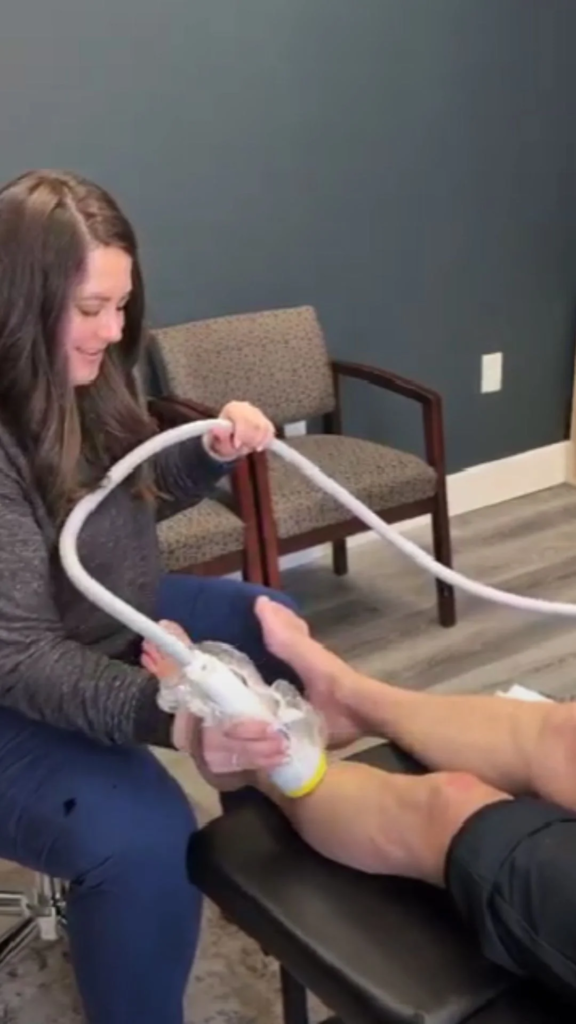
SoftWave Therapy is an FDA‑cleared, non‑invasive regenerative treatment that uses broad‑focused acoustic waves to stimulate your body’s natural repair processes in injured soft tissues like ligaments and tendons. Instead of just masking pain, SoftWave is designed to wake up dormant or stalled healing by increasing blood flow, activating stem cells, and improving cellular communication in the injured area.
For elbow ligament sprains, SoftWave Therapy can:
- Reduce pain and inflammation by modulating inflammatory chemicals and nerve signaling in the injured ligament.
- Increase circulation and metabolic activity, bringing more oxygen and nutrients into damaged ligament fibers so they can repair more efficiently.
- Stimulate local stem cells and growth factors that support regeneration of ligament and surrounding soft tissues (tendons, muscles, joint capsule).
- Help break up chronic inflammation and adhesions that keep the joint stiff and painful after a sprain.
Because SoftWave is non‑surgical, there’s no anesthesia, no injections, and no downtime; most sessions take about 10–15 minutes, and you can return to normal daily activities afterward. Many patients feel a meaningful change in pain and mobility within 1–3 sessions, with continued improvement over several weeks as the ligament continues to heal.
Home Strategies to Support Your RLS Treatment
Even when you pursue SoftWave Therapy or medical treatment, simple daily habits can make a noticeable difference in restless leg symptoms.
Evidence‑informed self‑care strategies include:
- Build consistent sleep routines
- Go to bed and wake up at the same time each day; aim for a dark, cool, quiet bedroom environment.
- Move regularly—but not to exhaustion
- Most research suggests 30–60 minutes of moderate‑intensity activity daily, emphasizing leg‑focused exercise, can reduce the likelihood or severity of RLS.
- Use heat, cold, and massage
- Warm baths, alternating warm and cool packs, self‑massage, or partner massage may temporarily calm leg sensations.
- Limit caffeine, alcohol, and nicotine
- Many patients report fewer symptoms after reducing or eliminating these, especially later in the day.
- Keep your mind engaged during rest
- When you must sit for long periods (meetings, travel, movies), mentally engaging tasks—conversation, puzzles, crafts—may make the urge to move less overwhelming.
If your doctor identifies low iron, they may recommend supervised iron supplementation in addition to these steps.
Cincinnati’s trusted softwave provider
Dr. Faith Swartzendruber is a licensed chiropractor and SoftWave Therapy provider in Cincinnati, Ohio, who helps people find relief from restless leg syndrome and uncomfortable leg sensations that disrupt sleep and daily life. She focuses on calming nerve irritation, improving circulation, and supporting the body’s natural balance—without heavy reliance on medication. Using an evidence-informed, personalized approach to care, Dr. Faith combines SoftWave Therapy with targeted chiropractic and rehabilitative strategies to reduce symptoms, improve rest, and promote long-term comfort and function.
Dr. Faith earned her Doctor of Chiropractic degree from Palmer College of Chiropractic in 2022.
She holds Ohio chiropractic license (DC-05144).
Dr. Faith Swartzendruber, DC, integrates her SoftWave Therapy training and chiropractic license with her education background to deliver SoftWave treatments that are both clinically informed and patient-centered.
Dr. Faith has helped hundreds of Cincinnati patients overcome chronic pain with SoftWave Therapy and chiropractic care.
Restless Leg Syndrome Treatment in Cincinnati With SoftWave Therapy
At Simply Well Chiropractic, our goal is to help you sleep better, feel calmer in your own body, and reclaim your evenings without constant leg discomfort.
SoftWave Therapy gives many patients a noninvasive path to improved circulation, nerve function, and leg comfort—without relying solely on long‑term medications or invasive procedures.
If you are ready to explore a drug‑free, regenerative approach to restless leg syndrome treatment in Cincinnati, contact our office today to schedule your SoftWave Discovery Session.

Written and medically reviewed by Dr. Faith Swartzendruber, DC
Ohio Chiropractic License: DC-05144 | Palmer College of Chiropractic
Founder, Simply Well Chiropractic, Cincinnati