Spondylosis Treatment in Cincinnati
Schedule your $49 Discovery Session today!
What Is Spondylosis?
Spondylosis is degeneration of the spinal joints and discs that develops over years of mechanical stress and normal aging. It most often affects the cervical (neck) and lumbar (low back) regions, where the spine moves the most and bears the greatest load.
As discs dry out and lose height, vertebrae move closer together, facet joints become arthritic, and bone spurs can form and narrow space for nerves. This process may lead to conditions like degenerative disc disease, spinal stenosis or degenerative scoliosis.
Common Spondylosis Symptoms
Your symptoms depend on where in the spine spondylosis is most active and whether nerves are compressed. Patients commonly report:
- Neck or low‑back pain that worsens with prolonged sitting or standing
- Stiffness and reduced range of motion, especially first thing in the morning
- Crepitus – a grinding or crunching feeling when you move your neck or back
- Pain radiating into the shoulders, arms, buttocks or legs (radiculopathy or “sciatica”) when nerves are irritated
- Muscle tightness, spasms, or a sense of heaviness or fatigue in the back and hips
You should seek urgent medical evaluation if you notice red‑flag symptoms like progressive limb weakness, changes in balance, or bowel or bladder problems, which can indicate serious nerve or spinal cord compression.
Causes and Risk Factors
Spondylosis has multiple contributors, with age being the strongest risk factor. Other common drivers include:
- Natural disc dehydration and joint cartilage wear over time
- Osteoarthritis and prior spine injuries that accelerate degeneration
- Genetic predisposition and family history of osteoarthritis
- Repetitive strain from heavy labor, poor ergonomics or high‑impact sports
- Deconditioning, weak core and poor posture that overload spinal joints
You cannot fully prevent age‑related changes, but staying active, maintaining a healthy weight, and supporting your spine with strong core muscles can delay progression and reduce pain.
Non‑Surgical Spondylosis Treatment in Cincinnati
Most people with spondylosis improve without surgery when they follow a structured, conservative plan. Common non‑surgical options include:
- Short‑term use of nonsteroidal anti‑inflammatory drugs (NSAIDs) or other pain relievers as needed for flare‑ups
- Physical therapy focused on posture, core and hip strength, and gentle mobility to unload arthritic joints
- Targeted spine stabilization and flexibility exercises you can continue at home long‑term
- Activity modification, ergonomic adjustments at work, and pacing strategies to avoid prolonged positions that trigger pain
In addition to these conventional options, SoftWave Therapy offers a non‑invasive way to address spondylosis‑related pain by using acoustic waves to improve circulation, calm irritated tissues and support healing around arthritic segments. When combined with exercise and posture correction, SoftWave can help many patients reduce pain, move more freely and delay or avoid the need for spine surgery.

SoftWave Therapy for Spondylosis‑Related Pain
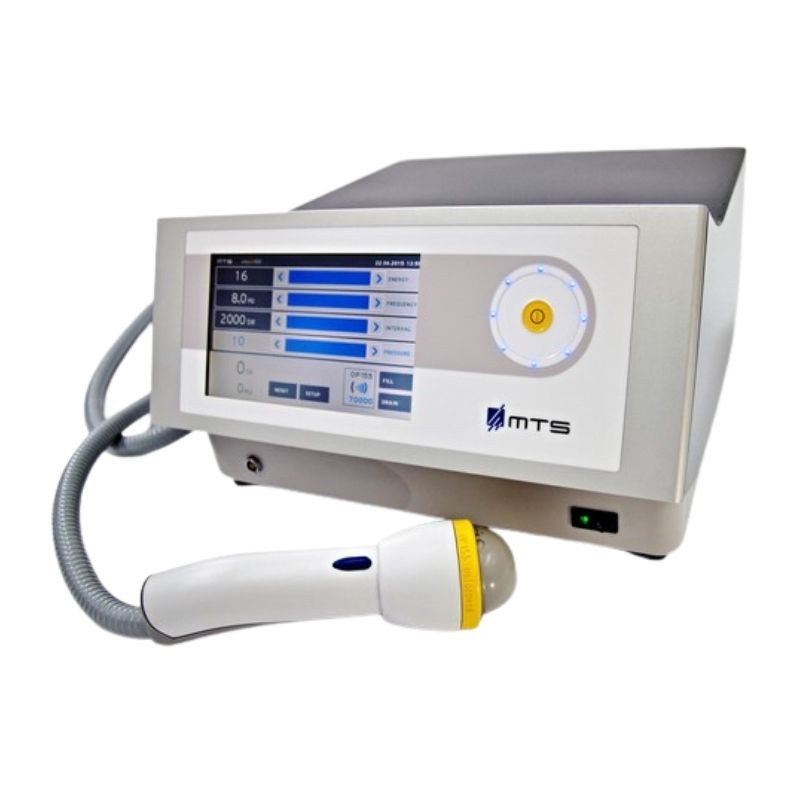
SoftWave Therapy (extracorporeal shockwave therapy) is a non‑invasive treatment that uses low‑intensity acoustic waves to stimulate blood flow, reduce inflammation and support tissue healing in painful areas. For patients with spondylosis‑related neck or back pain, SoftWave can be integrated into a broader non‑surgical program to:
- Decrease local pain and muscle guarding around arthritic segments, allowing more comfortable movement and rehab
- Improve microcirculation and cellular activity, which may support recovery of strained ligaments, tendons and paraspinal muscles overloaded by degeneration
- Potentially reduce reliance on repeated steroid injections or long‑term medications when combined with strength and mobility work
Because spondylosis is a chronic, structural condition, SoftWave Therapy is not a “cure,” but it can be a powerful tool to manage pain, improve function and delay or avoid surgical intervention for many patients when used within a comprehensive plan.
How SoftWave Therapy Helps Spondylosis
When you have spondylosis, the discs and joints in your spine wear down, the muscles around them tighten, and the small facet joints become irritated and painful. SoftWave Therapy sends gentle acoustic waves through the skin into these stressed areas to wake up your body’s natural healing response.
These waves help boost blood flow so more oxygen and nutrients reach arthritic joints, ligaments and muscles. They also encourage tissue repair in areas that have been stuck in a cycle of irritation and inflammation instead of healing.
SoftWave can also calm overactive pain nerves, which often means less burning, aching or radiating pain around the spine. Over time, this can lead to real, lasting change in how your back or neck feels, not just a few hours of relief.
For people living with spondylosis, SoftWave Therapy can help break the pattern of stiffness, muscle spasm and joint irritation so you can move more freely and stay active in rehab. Paired with strengthening, posture work and ergonomic changes, it becomes a powerful non‑surgical option to manage chronic neck or low‑back pain and may help you delay or avoid injections or surgery.
Living Well With Spondylosis in Cincinnati
With the right combination of education, lifestyle changes and modern non‑surgical therapies, many people in Cincinnati manage spondylosis and stay active without chronic pain. A personalized plan typically includes:
With the right combination of education, lifestyle changes and modern non‑surgical therapies, many people in Cincinnati manage spondylosis and stay active without chronic pain. A personalized plan typically includes:
Cincinnati’s trusted softwave provider
Dr. Faith Swartzendruber is a licensed chiropractor and SoftWave Therapy provider in Cincinnati, Ohio, who helps people find relief from spinal pain and stiffness caused by spondylosis. She focuses on reducing inflammation, easing joint tension, and restoring natural mobility—without surgery or long-term reliance on medication. Using an evidence-informed, personalized approach, Dr. Faith combines SoftWave Therapy with targeted chiropractic and rehabilitative care to support spinal health, improve flexibility, and promote long-term comfort and function.
Dr. Faith earned her Doctor of Chiropractic degree from Palmer College of Chiropractic in 2022.
She holds Ohio chiropractic license (DC-05144).
Dr. Faith Swartzendruber, DC, integrates her SoftWave Therapy training and chiropractic license with her education background to deliver SoftWave treatments that are both clinically informed and patient-centered.
Dr. Faith has helped hundreds of Cincinnati patients overcome chronic pain with SoftWave Therapy and chiropractic care.
Ready to See if SoftWave Can Help Your Spondylosis?
If neck or low‑back pain from spondylosis is starting to limit your life, you don’t have to wait until it’s “bad enough” for surgery. The earlier you address stiffness, muscle guarding and joint irritation, the easier it is to get you moving again with less pain.
Schedule a SoftWave consultation at Simply Well Chiropractic in Cincinnati to find out if this non‑invasive therapy is a good fit for your spondylosis. At your visit, we’ll review your history, examine your spine, discuss your goals and outline a step‑by‑step plan so you know exactly what comes next. Call our office or request an appointment online today to take the next step toward easier movement and long‑term relief.

Written and medically reviewed by Dr. Faith Swartzendruber, DC
Ohio Chiropractic License: DC-05144 | Palmer College of Chiropractic
Founder, Simply Well Chiropractic, Cincinnati