Non-Surgical Herniated & Bulging Disc Relief in Cincinnati
Schedule your $49 Discovery Session today!
What Is a Herniated or Bulging Disc?
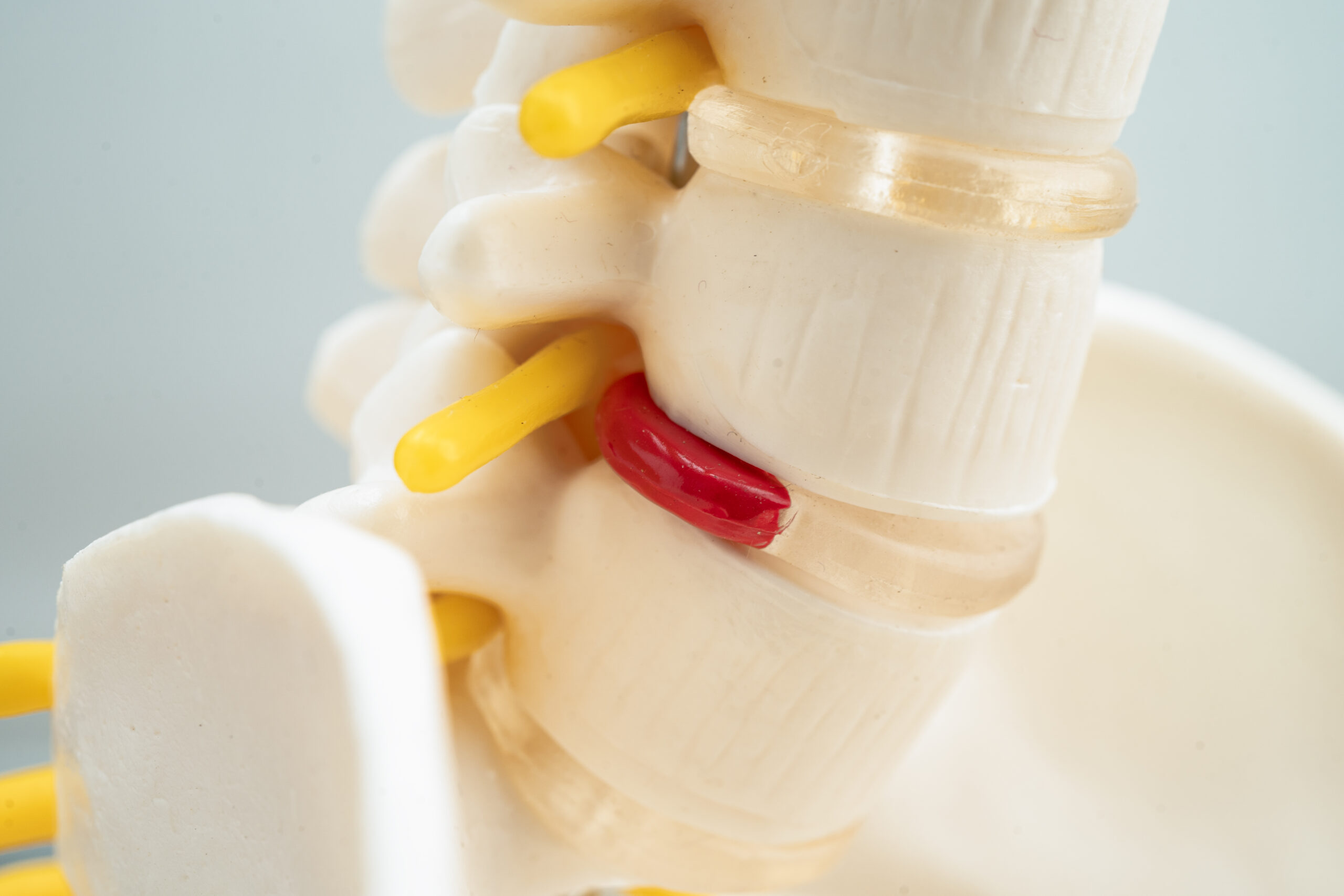
Your spine is made up of a stack of small bones (vertebrae) separated by flexible discs that act like shock‑absorbing cushions between each bone. Each disc has a soft, gel‑like center (nucleus pulposus) surrounded by a tough outer ring (annulus fibrosus) that keeps the disc in place as you bend, twist, and move.
- A bulging disc happens when the disc sticks out beyond its normal boundary but the outer ring is still mostly intact, which can narrow space around the spinal cord or nearby nerves and create pressure and irritation.
- A herniated disc (often called a slipped or ruptured disc) occurs when a tear in the outer ring allows some of the inner gel to push out, causing more direct compression and chemical irritation of the spinal nerves.
These disc changes most often occur in the neck (cervical spine) and lower back (lumbar spine), which is why many people notice neck pain, arm symptoms, low back pain, or sciatica down the leg
Common Causes and Risk Factors
Most herniated or bulging discs are the result of gradual wear and tear on the discs rather than a single traumatic event. Over time, discs slowly lose some of their natural water content and flexibility, which makes them more vulnerable to cracks, tears, and bulging.
Factors that increase your risk include:
- Repetitive bending, lifting, or twisting at work or in sports
- Improper lifting technique (bending at the waist instead of the hips)
- Prolonged sitting or driving
- Being overweight or deconditioned
- Smoking, which can reduce blood flow and disc nutrition
- A previous spine injury or trauma
- Age‑related disc degeneration in your 30s, 40s, 50s, and beyond
Even a simple movement—like lifting a laundry basket, twisting to grab something from the back seat, or bending to pick up a child—can be “the last straw” that triggers symptoms in a disc that has been quietly degenerating for years.ted early and focused on healing—not just masking pain.
Symptoms of a Herniated or Bulging Disc
Disc problems can show up differently depending on where they occur and which nerves are affected. Some people notice mild, nagging back pain, while others develop sharp, burning nerve pain that travels into an arm or leg.
Lumbar (Lower Back) Disc Symptoms
- Deep, aching low back pain that worsens with sitting, bending, or lifting
- Sciatica: sharp, burning, or electric pain that starts in the lower back or buttock and travels down the leg
- Numbness, tingling, or “pins and needles” in the leg or foot
- Weakness in the leg, difficulty standing, walking, or climbing stairs
- Pain that improves when lying down or gently walking, but flares with prolonged sitting or standing
Cervical (Neck) Disc Symptoms
- Neck pain and stiffness
- Pain that radiates into the shoulder, arm, or hand
- Numbness or tingling in the arm, hand, or fingers
- Weakness when gripping or lifting objects
- Headaches that start at the base of the skull
When Disc Symptoms Become an Emergency
A small number of disc herniations can compress the bundle of nerves at the base of the spine (cauda equina), which is a medical emergency. Seek immediate emergency care if you notice:
- New loss of bowel or bladder control
- Numbness in the groin or inner thighs (saddle anesthesia)
- Severe, progressive leg weakness or difficulty walking
For most people, disc‑related pain is serious and disruptive—but not an emergency—and responds well to the right non‑surgical treatment plan when started early.
Do Herniated and Bulging Discs Always Need Surgery?
Many patients arrive at our Cincinnati office worried that a disc on MRI means they are headed straight for injections, fusion, or surgery. In reality, a large percentage of herniated and bulging discs improve with conservative treatment focused on reducing inflammation, decompressing irritated nerves, and supporting the body’s natural healing process.
Non‑surgical care is often recommended first for disc problems unless you are experiencing:
How SoftWave Therapy Helps Herniated and Bulging Discs
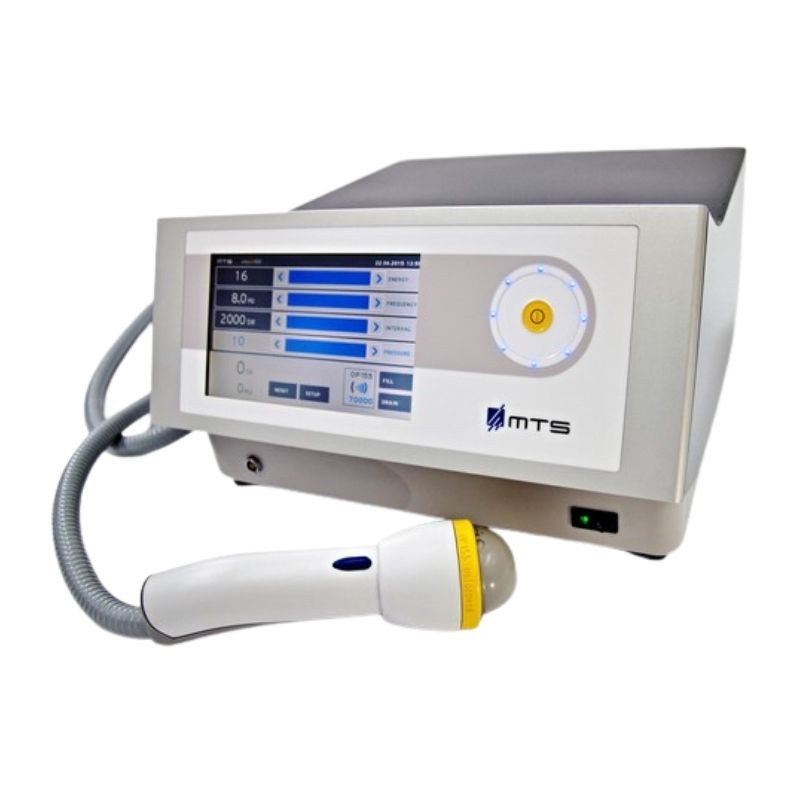
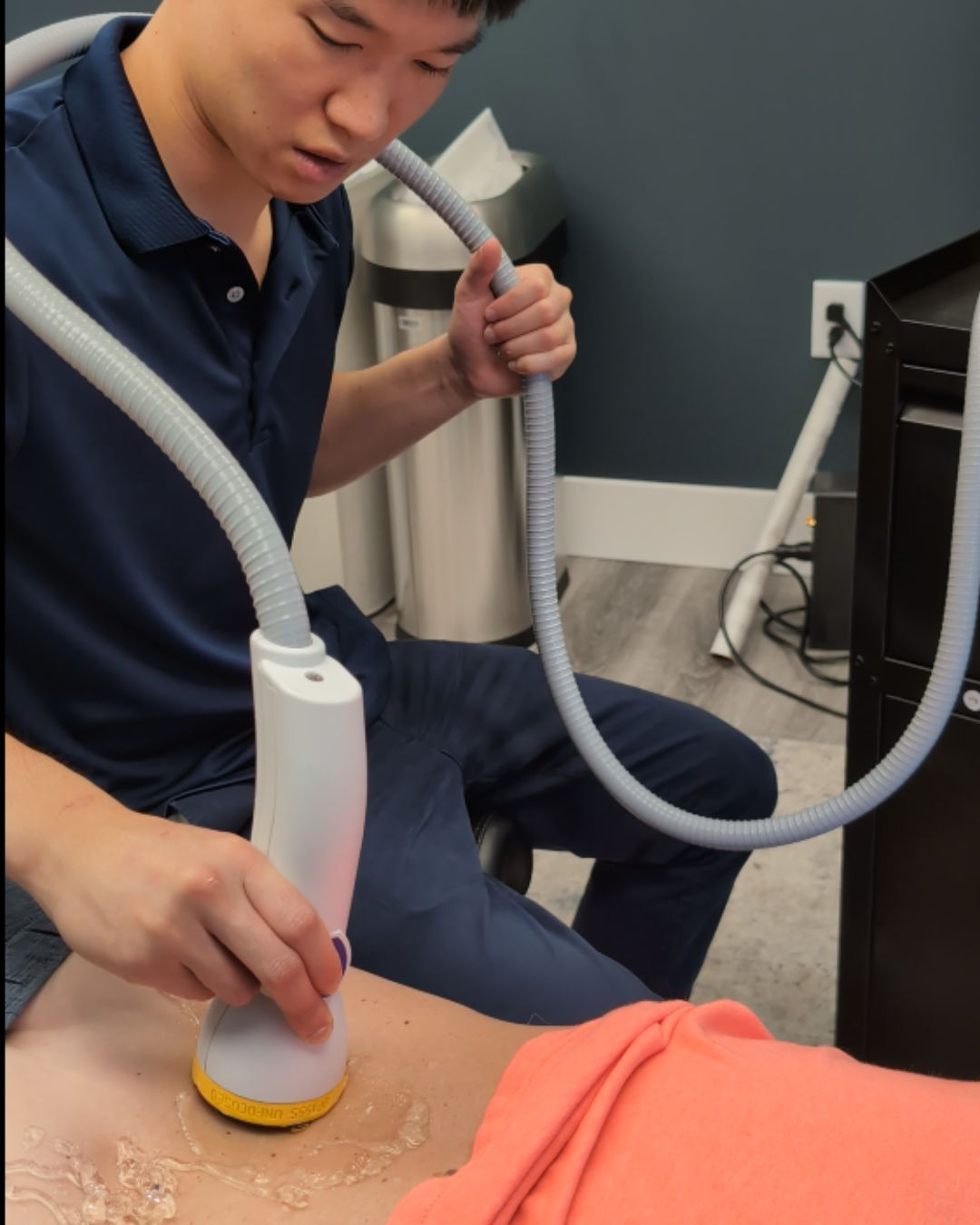
SoftWave Therapy (also known as Tissue Regenerative Therapy) is an FDA‑cleared, non‑invasive treatment that uses low‑intensity, unfocused acoustic sound waves to stimulate your body’s natural repair processes. At Simply Well Chiropractic, we use an unfocused electrohydraulic SoftWave device that penetrates up to 4–5 inches to reach deep spinal support tissues that standard therapies often miss.
For herniated and bulging discs, SoftWave Therapy is designed to:
- Reduce inflammation and irritation around the injured disc and compressed nerves, helping to calm pain, burning, and sciatica‑type symptoms.
- Improve blood flow and circulation to the spinal region, providing better oxygen and nutrient delivery to discs, joints, and surrounding soft tissues.
- Activate dormant stem cells and signaling molecules involved in tissue regeneration, promoting long‑term repair instead of just masking symptoms.
- Support disc stability by improving the health and resilience of the muscles, ligaments, and fascia that support your spine.
A typical SoftWave session for disc‑related pain:
- Lasts about 10 minutes in the office
- Requires no needles, anesthesia, or incisions
- Has no downtime—you can return to work or normal daily activities the same day
- Often provides noticeable changes in pain or mobility within the first few visits, with continued improvement over several weeks as the healing response builds
SoftWave does not “push the disc back in,” but by calming inflammation and supporting tissue repair, it can significantly reduce the pressure and irritation on nearby nerves so you can move more freely with less pain.
Why Combine SoftWave Therapy and Chiropractic Care?
Imaging studies like an MRI can show a disc bulge or herniation, but the pain you feel usually comes from a combination of disc irritation, joint restriction, muscle tension, inflammation, and nerve compression. That is why we rarely rely on just one modality.
At Simply Well Chiropractic in Cincinnati, your herniated or bulging disc plan may include:
- Gentle, low‑force chiropractic adjustments to improve spinal alignment, reduce joint stress, and relieve mechanical pressure on irritated nerves.
- SoftWave Therapy to reduce inflammation and stimulate regenerative healing in the tissues surrounding the painful disc.
- Rehabilitative exercises and movement coaching to restore stability, protect your spine during work and exercise, and reduce the chance of future flare‑ups.
- Lifestyle and ergonomic guidance (desk setup, lifting technique, sleep positions) to decrease daily strain on your discs.
This integrative, conservative strategy is designed to treat the root contributors to your pain instead of simply chasing symptoms, and many patients use it as a successful alternative to injections or surgery recommended elsewhere.
Conservative Treatment Options vs. Surgery
You will see many Cincinnati spine centers and hospitals list both non‑surgical and surgical options for herniated discs, including medications, physical therapy, epidural steroid injections, discectomy, laminectomy, and fusion. Understanding how our approach fits into this landscape can help you make an informed choice.
Common Non‑Surgical Options in Cincinnati
- SoftWave Therapy treatments
- Rest and activity modification
- Nonsteroidal anti‑inflammatory drugs (NSAIDs) and muscle relaxants
- Physical therapy and core strengthening
- Spinal decompression or traction
- Chiropractic care and manual therapy
- Acupuncture or laser therapy
- Epidural steroid injections at some orthopedic or spine practices
At Simply Well Chiropractic, we focus on drug‑free, regenerative‑oriented options such as SoftWave Therapy, chiropractic care, targeted exercises, and home care strategies to make everyday movements safer and more comfortable.
What to Expect at Your Herniated Disc Discovery Session
Your first visit at Simply Well Chiropractic is a SoftWave Discovery Session that combines evaluation and initial treatment in one appointment.
During your Cincinnati herniated disc visit, we will:
- Review your history – including when the pain started, what makes it better or worse, prior imaging (X‑ray or MRI), past treatments, and your work and activity demands.
- Perform a focused exam – checking posture, range of motion, nerve function, muscle strength, and specific orthopedic tests to identify which spinal levels and nerve pathways may be affected.
- Scan and treat with SoftWave – using the SoftWave device over your spine and surrounding tissues to locate areas of heightened sensitivity and irritation while beginning the healing process.
- Discuss your options – including whether SoftWave Therapy, chiropractic care, and conservative rehab are appropriate for your specific disc condition or whether you also need imaging or a referral to another provider.
After this visit, you will receive a customized plan that outlines:
Schedule Herniated & Bulging Disc Treatment in Cincinnati
At Simply Well Chiropractic, we combine advanced SoftWave technology with gentle, personalized chiropractic care and targeted rehab to help Cincinnati patients find lasting relief from herniated and bulging discs without drugs or invasive procedures.
Call Simply Well Chiropractic or request your $49 SoftWave Discovery Session online today, and take the first step toward calmer nerves, a stronger spine, and a more active life in Cincinnati, Ohio.
Frequently Asked Questions about Softwave Therapy and Herniated or Bulging Discs
Address
5721 Dragon Way #110, Cincinnati, OH 45227
info@simplywellchiro.com
Phone
(513) 271-1233

Written and medically reviewed by Dr. Faith Swartzendruber, DC
Ohio Chiropractic License: DC-05144 | Palmer College of Chiropractic
Founder, Simply Well Chiropractic, Cincinnati