Piriformis Syndrome Relief in Cincinnati
Schedule your $49 Discovery Session today!
What Is Piriformis Syndrome?
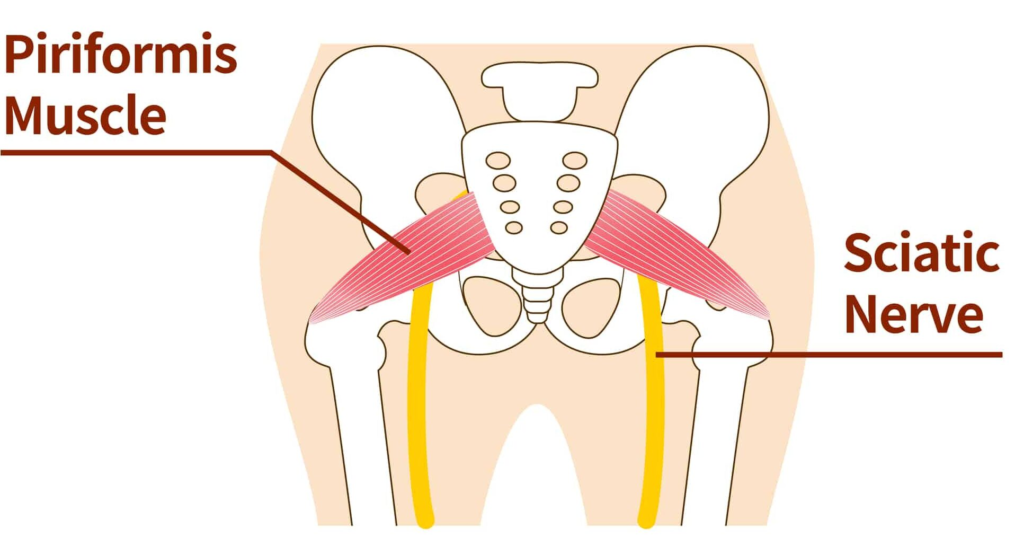
Your piriformis is a flat, narrow muscle that sits deep in your buttock, running from the lower spine to the top of your thigh bone. Your sciatic nerve usually passes just underneath this muscle as it travels from your low back down the back of your leg.
Piriformis syndrome happens when this muscle becomes tight, inflamed, or spasmed and presses on the sciatic nerve. That compression can cause:
- Deep aching or burning in the buttock
- Pain, tingling, or numbness down the back of the thigh
- Symptoms that feel a lot like sciatica but are coming from the hip/buttock region rather than the spine itself
Because it mimics other causes of sciatica and low back pain, piriformis syndrome is often overlooked or misdiagnosed, which delays proper treatment.
Common Signs and Symptoms
TNot everyone with piriformis syndrome feels the same, but these are some of the most common patterns patients in Cincinnati report:
- Deep ache in the buttock, often on one side
- Pain that can shoot or radiate down the back of the leg toward the hamstring or calf
- Numbness, tingling, or a “pins and needles” sensation in the buttock or back of the thigh
- Pain that worsens when:
- Sitting for long periods (commuting, working at a desk, long flights)
- Walking or running, especially on hills or stairs
- Climbing stairs or getting up from a low chair
In mild cases, symptoms may come and go; in more stubborn cases, pain can interfere with sleep, exercise, or even simple tasks like driving across town.
What Causes Piriformis Syndrome?
Anything that makes the piriformis muscle tighten, swell, or spasm enough to press on the sciatic nerve can trigger piriformis syndrome.
Common causes and risk factors include:
- Running or walking a lot without enough hip strength or stretching
- Overuse or repetitive motions (distance running, cycling, certain sports)
- Sitting for long periods, especially on firm chairs or car seats
- A fall, twist, or other trauma to the hip or buttock
- Weak core and glute muscles that cause the piriformis to overwork
- Lifting heavy objects with poor mechanics
Some people also have anatomical variations – like an unusually shaped piriformis or a sciatic nerve that travels through the muscle – that make them more prone to nerve irritation.
Typical sciatica from the spine:
Often linked to a herniated disc or spinal stenosis; pain usually starts in the low back and can radiate down the leg.
Piriformis‑related sciatic pain:
Pain is centered in the buttock and hip area, sometimes with only minimal low back pain. Symptoms are often triggered by sitting or hip movements like crossing your legs or climbing stairs.
How SoftWave Therapy Helps Piriformis Syndrome
SoftWave Therapy is a non‑invasive regenerative technology that uses unfocused acoustic waves to stimulate healing in irritated soft tissue and calm nerve irritation. For piriformis syndrome, this means we can directly target the muscle and surrounding tissues contributing to sciatic nerve compression – without needles, drugs, or surgery.
SoftWave may help piriformis‑related sciatica by:
- Reducing inflammation and swelling around the piriformis and sciatic nerve
- Encouraging blood flow and tissue regeneration in chronically irritated muscles and tendons
- Modulating pain by influencing nerve signaling and stimulating your body’s natural pain‑relief chemistry
- Helping knotted, spasmed muscle fibers relax so they stop clamping down on the nerve
Because SoftWave covers a broad treatment area, we can also address related hip and glute structures that may be contributing to your symptoms, including deep rotators, gluteal tendons, and connective tissue in the area.
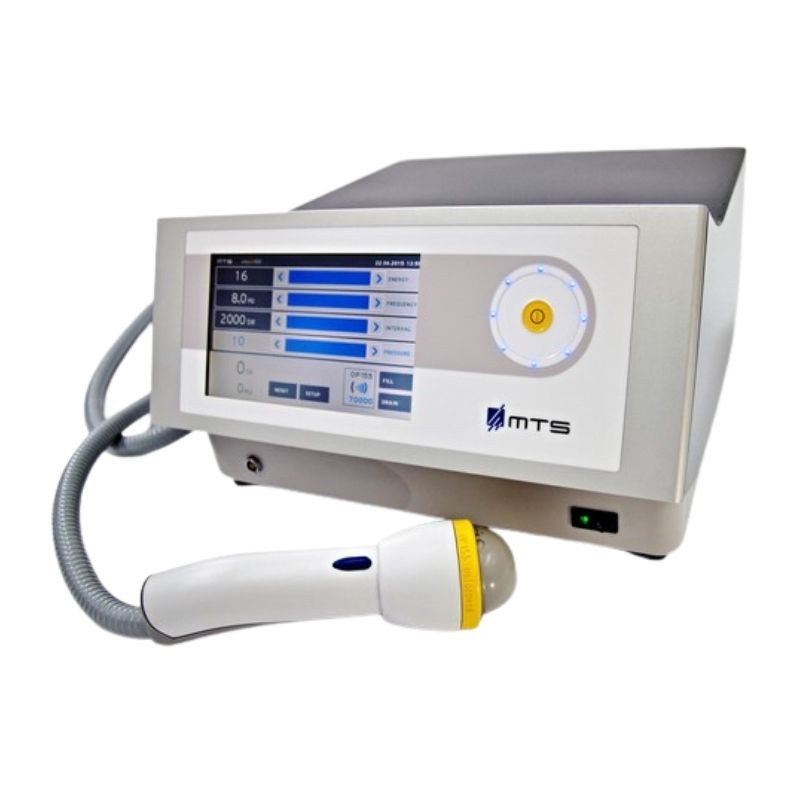
benefits of SoftWave Therapy for Piriformis Syndrome
SoftWave is an FDA‑cleared acoustic wave treatment that stimulates healing at the cellular level rather than just masking pain. For piriformis syndrome, SoftWave Therapy can:
Reduce pain and inflammation in the piriformis muscle that is compressing the sciatic nerve.
Improve blood flow and circulation so the irritated nerve and surrounding tissue can heal.
Break up scar tissue and adhesions that keep the muscle tight and stuck.
Activate your body’s own stem cells, supporting long‑term tissue regeneration instead of short‑term relief.
Most sessions are well tolerated, involve only a tapping or pulsing sensation over the painful area, and require no downtime afterward, so you can return to work or daily activities the same day.
Cincinnati’s trusted softwave provider
Dr. Faith Swartzendruber is a licensed chiropractor and SoftWave Therapy provider in Cincinnati, Ohio, who helps people find relief from Piriformis Syndrome and related sciatic nerve pain. Her goal is to reduce muscle tension, relieve pressure on the sciatic nerve, and restore comfortable, pain-free movement—without surgery or heavy medications. Using an evidence-informed, personalized approach, Dr. Faith combines SoftWave Therapy with targeted chiropractic and rehabilitative care to promote muscle recovery, improve mobility, and support long-term relief from buttock and leg pain.
Dr. Faith earned her Doctor of Chiropractic degree from Palmer College of Chiropractic in 2022.
She holds Ohio chiropractic license (DC-05144).
Dr. Faith Swartzendruber, DC, integrates her SoftWave Therapy training and chiropractic license with her education background to deliver SoftWave treatments that are both clinically informed and patient-centered.
Dr. Faith has helped hundreds of Cincinnati patients overcome chronic pain with SoftWave Therapy and chiropractic care.

What to Expect at Your SoftWave Discovery Session
If you are in Cincinnati and suspect your “sciatica” might actually be piriformis syndrome, the best next step is a focused evaluation and a low‑risk trial of care.
During your SoftWave Discovery Session at Simply Well Chiropractic:
- Dr. Faith will review your history and perform a detailed exam to determine whether the piriformis is likely involved.
- She will use the SoftWave device over your hip and buttock area to both locate irritated tissue and begin treatment.
- You will get a clear explanation of what she finds and whether you are a good candidate for a full SoftWave treatment plan.
Many patients notice some reduction in pain or improved mobility within their first few sessions, while deeper healing continues over the following weeks.
schedule a softwave session for Piriformis Syndrome in Cincinnati
If you are tired of living with deep buttock pain, “sciatica” that never quite responds to treatment, or recurring piriformis syndrome flare‑ups, there is a more targeted option. At Simply Well Chiropractic in Cincinnati, we use SoftWave Therapy, chiropractic care, and customized rehab strategies to address the true source of nerve irritation and help you move confidently again.
To find out whether SoftWave Therapy is right for your piriformis syndrome, schedule your $49 Discovery Session at Simply Well Chiropractic in Cincinnati and start moving toward lasting relief.
Why Combine SoftWave with Chiropractic and Rehab?
At Simply Well Chiropractic, piriformis syndrome care rarely relies on a single technique. Instead, we often combine SoftWave with other evidence‑informed approaches to give your sciatic nerve the best chance to calm down and stay that way.
Your plan may include:
- SoftWave Therapy to reduce irritation, promote healing, and desensitize the area
- Gentle chiropractic adjustments to improve pelvic and lumbar alignment and reduce mechanical stress on the piriformis
- Targeted stretching and strengthening for your hips, glutes, and core to prevent the muscle from overworking
- Posture and movement coaching so sitting, lifting, running, and daily activities place less strain on your sciatic nerve
The goal is not only to calm your current flare‑up, but to help you move with more freedom and less fear of pain coming back every time you sit, drive, or try to return to your workouts.

How Long Does Piriformis Syndrome Last?
With proper diagnosis and treatment, many episodes of piriformis syndrome improve within days to weeks, especially when you modify aggravating activities and follow your provider’s recommendations. However, if the underlying mechanics and muscle imbalances are not addressed, the problem can come back again and again.
Our aim is to help you:
- Break the cycle of recurring buttock and leg pain
- Build strength and flexibility where you need it most
- Learn how to sit, stand, and move in ways that protect the sciatic nerve
SoftWave’s regenerative effects can continue for weeks after your last session, which is why we often space visits out over time to let your body keep healing.

Self‑Care Tips to Support Healing
While care in the office is important, what you do at home can make a big difference in how quickly your piriformis calms down.
Your plan may include:
- Avoiding or reducing activities that reliably flare your symptoms for a short period
- Standing and walking breaks if you have a desk job or drive for long periods
- Gentle stretching for the piriformis and surrounding hip muscles as instructed
- Simple strengthening for your glutes and core to take strain off the piriformis
- Using heat or ice over the buttock, depending on what feels best for your body
- Following through with any home exercises or posture changes recommended after your visits
If your pain suddenly worsens, you develop significant weakness, or you notice changes in bowel or bladder control, it is important to contact a healthcare provider promptly.
Address
5721 Dragon Way #110, Cincinnati, OH 45227
info@simplywellchiro.com
Phone
(513) 271-1233

Written and medically reviewed by Dr. Faith Swartzendruber, DC
Ohio Chiropractic License: DC-05144 | Palmer College of Chiropractic
Founder, Simply Well Chiropractic, Cincinnati