
Ready to Heal Your Rotator Cuff injury?
$49 Discovery Session | Non-Invasive | FDA-Cleared
If shoulder pain makes it hard to reach overhead, sleep on your side, or lift even light objects, your rotator cuff may be the problem. For many Cincinnati residents, this doesn’t have to mean surgery or months of downtime—especially when you catch it early and choose the right treatment plan.
At Simply Well Chiropractic’s Cincinnati SoftWave Therapy clinic, we help patients heal rotator cuff injuries with a non‑invasive, FDA‑cleared approach designed to reduce pain, restore strength, and help you avoid surgery whenever possible.
What Is the Rotator Cuff?
Your rotator cuff is a group of four muscles and their tendons (supraspinatus, infraspinatus, teres minor, and subscapularis) that wrap around the head of your upper arm bone and keep it centered in the shallow shoulder socket.
These muscles are responsible for two main jobs:
- Stability – keeping your shoulder joint aligned so it doesn’t slip or feel unstable
- Movement – helping you lift, reach, rotate, and control your arm through daily and athletic activities
When the rotator cuff tendons become irritated, frayed, or torn, you can develop inflammation, loss of strength, and pain with even simple movements.

Rotator Cuff Pain Symptoms
You may have a rotator cuff problem if you notice:
- Dull, aching pain deep in the shoulder, especially at night or when lying on the affected side
- Sharp pain when lifting your arm overhead, reaching into the back seat, or putting on a coat
- Weakness when lifting or rotating your arm, even with light objects
- Limited range of motion or stiffness after rest
- Clicking, popping, or catching sensations when you move your shoulder
- Pain that started gradually and worsened over weeks or months, or pain that began after a fall or heavy lift
Common Rotator Cuff Problems
Rotator cuff issues fall on a spectrum from irritation to partial tears to full‑thickness tears.
- Rotator cuff tendinitis: Overuse irritation and inflammation of the tendons, often from repetitive overhead work, sports, or poor posture.
- Impingement: The tendons get “pinched” under the bony arch of the shoulder, causing pain when you lift or reach.
- Partial‑thickness tear: Some of the tendon fibers are torn but not completely through the tendon.
- Full‑thickness (complete) tear: The tendon is torn all the way through, sometimes retracting away from the bone.
Orthopedic literature often describes rotator cuff tears by size and depth:
- Grade 1 (mild): Less than 3 mm deep, often involving less than about 25% of the tendon thickness
- Grade 2 (moderate): Around 3–6 mm deep, involving roughly 25–50% thickness
- Grade 3 (severe): Larger than 6 mm or more than 50% of the tendon thickness
Smaller, partial‑thickness tears and early‑stage degeneration tend to respond best to conservative care, while larger or massive tears may require surgical consultation.
How SoftWave Therapy Helps Rotator Cuff Pain
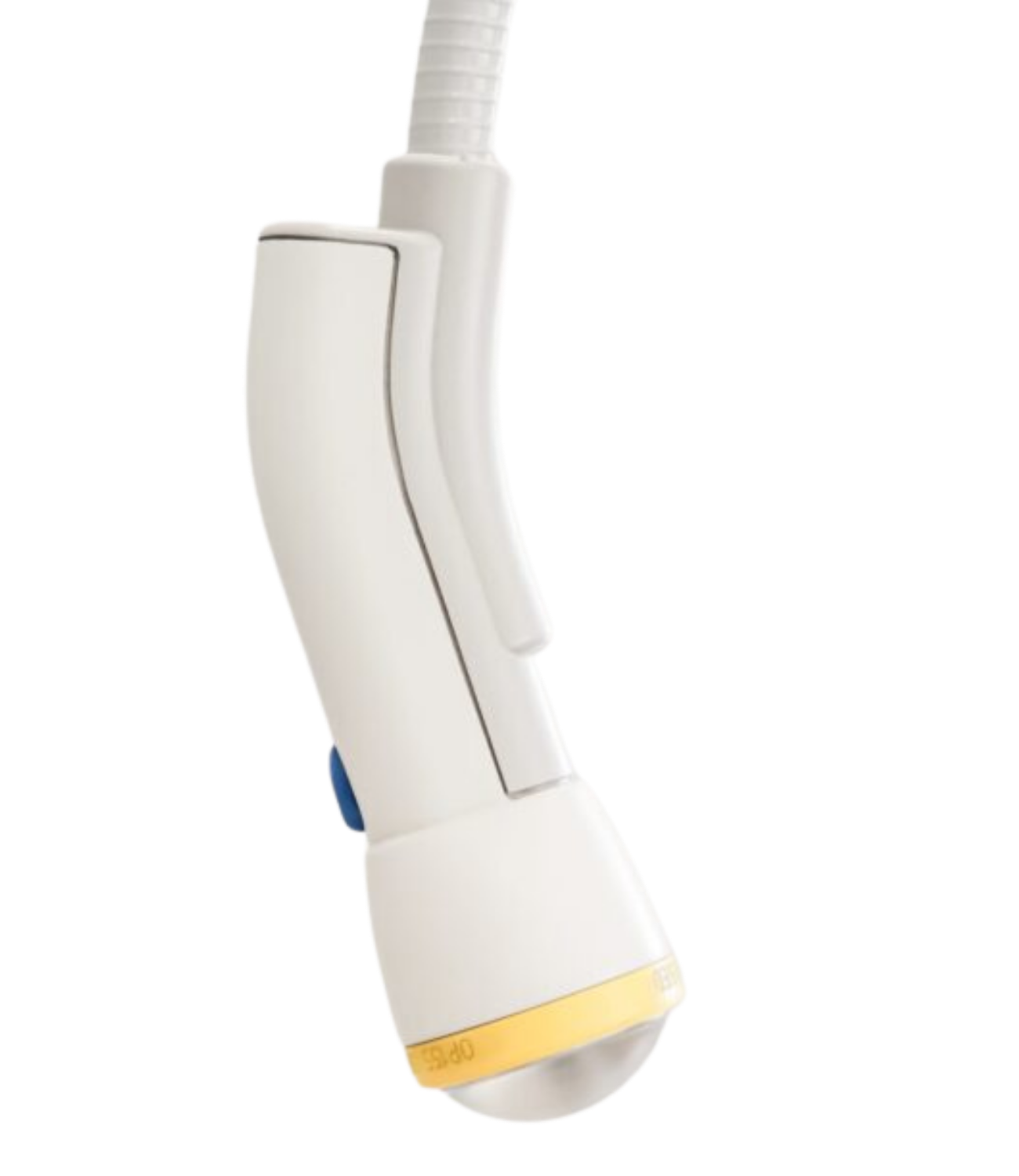
SoftWave Therapy is an FDA‑cleared electrohydraulic acoustic wave technology that stimulates your body’s natural healing mechanisms in injured soft tissues like the rotator cuff.
When the SoftWave device is applied to the shoulder:
- Acoustic waves penetrate deeply (up to about 4–5 inches) into muscles, tendons, and connective tissue
- Micro‑stimulation triggers new blood vessel growth (neovascularization), improving circulation to areas with poor blood supply
- Stem cell activity and growth factors are stimulated, supporting tissue repair and regeneration
- Inflammation and pain signaling are modulated, helping reduce pain without numbing the area
- Collagen remodeling helps the tendon become stronger and more resilient over time
For many Cincinnati patients, this means less pain, better sleep, and improved shoulder strength without injections, opioids, or surgery.
Who Is a Good Candidate for Rotator Cuff SoftWave Therapy?
SoftWave Therapy may be appropriate if:
- You have rotator cuff tendinitis, impingement, or a partial‑thickness tear
- You have chronic shoulder pain that has not responded well to rest, medication, or basic rehab
- You are trying to avoid or delay surgery and want to explore non‑invasive options
- You are recovering from rotator cuff surgery and want to support healing after your surgeon clears you for treatment
Patients with massive, long‑standing tears or advanced degenerative changes may still benefit from pain relief and function gains, but sometimes require joint injections or surgical consultation as part of a comprehensive plan.
Your Rotator Cuff SoftWave Treatment Journey in Cincinnati
At Simply Well Chiropractic, we follow a clear, step‑by‑step process so you know what to expect.
Step 1: $49 Discovery Session
- Consultation and exam: Dr. Faith reviews your shoulder history, symptoms, activities, and any prior imaging (X‑ray, MRI, or ultrasound).
- Functional testing: Gentle orthopedic tests help identify which structures are involved.
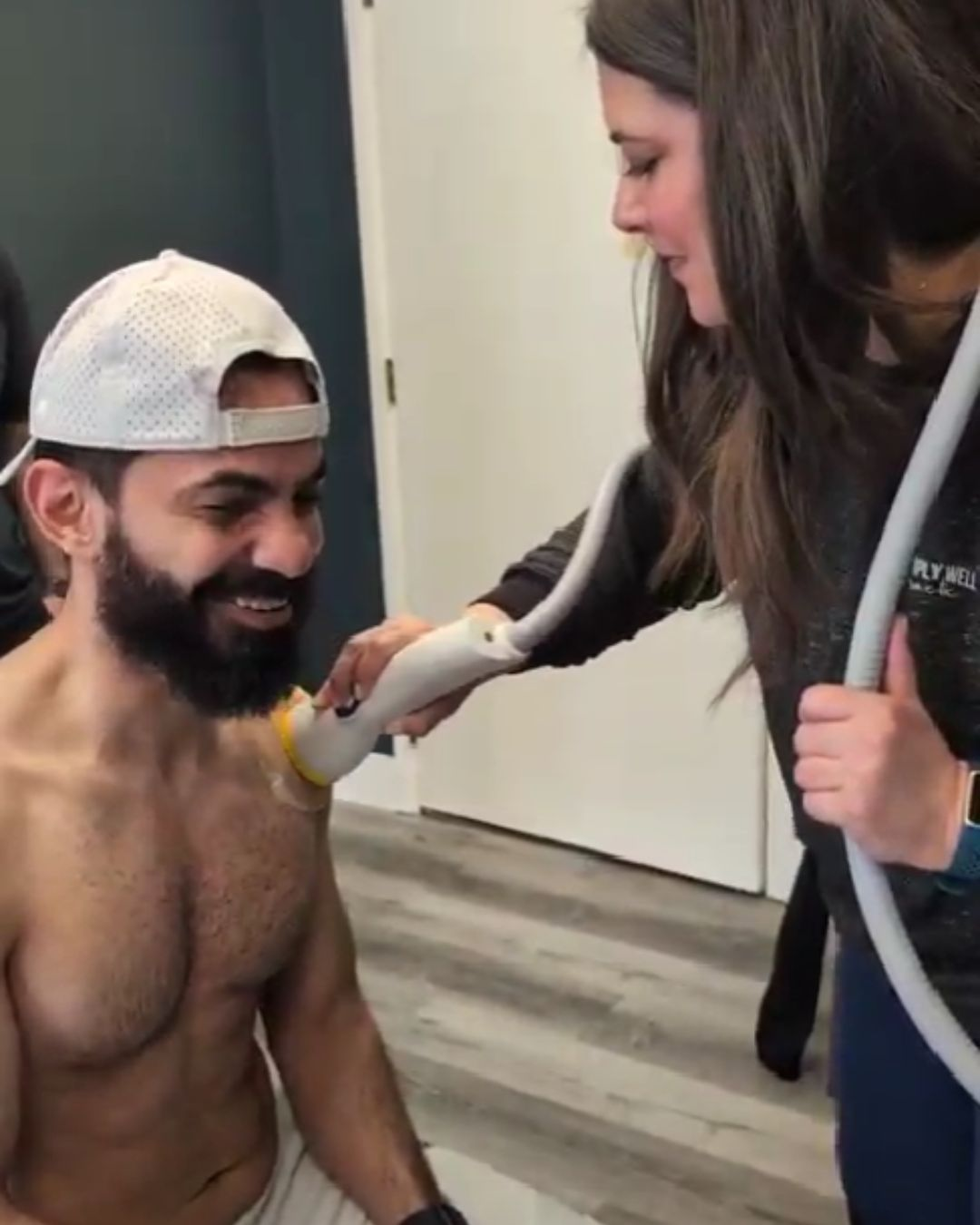
- SoftWave diagnostic scan: The device is applied to the shoulder to locate the precise areas of tendon irritation or tearing based on your pain response.
Most people feel some change in pain or mobility after this first visit, which helps us determine whether SoftWave is likely to help you.
Step 2: Custom Treatment Plan
Based on your exam and goals, Dr. Faith recommends a plan tailored to your rotator cuff severity and overall health:
- Mild to moderate pain or recent injury:
- About 6-8 sessions
- Typically 2 visits per week for 3-4 weeks
- Chronic tendinitis or small tears:
- About 6–10 sessions
- Often 2 visits per week for several weeks, then weekly follow‑ups
- Severe or degenerative conditions:
Your progress is reassessed regularly, and if you respond quickly, your plan is shortened—there is no pressure to keep scheduling if you’re already where you want to be.
Step 3: Integrating Rehab and Daily Life
To get the best results, we often pair SoftWave Therapy with:
- Gentle mobility work as pain decreases
- Rotator cuff and scapular strengthening exercises (either in‑office guidance or in collaboration with your physical therapist)
- Ergonomic and posture changes for work and sports
This combination supports both healing and long‑term shoulder durability.
How Long Until My Rotator Cuff Feels Better?
Healing timelines vary depending on the size of the tear, how long you’ve had symptoms, and your activity level, but most SoftWave patients follow a general pattern:
Many patients notice their first improvement within 1-2 weeks. Sleep improves, sharp pain with overhead reaching decreases.
Range of motion increases, you can lift your arm higher, daily activities become easier.
You return to work activities, light exercise, or recreational sports. Pain during normal daily life is substantially reduced.
Rotator cuff tissue continues to strengthen and remodel. Many patients return to full sports, weightlifting, or overhead work without restrictions.
Cincinnati’s trusted softwave provider
Dr. Faith Swartzendruber is a licensed chiropractor and SoftWave Therapy provider in Cincinnati, Ohio, who helps people recover from rotator cuff injuries and shoulder pain. Her goal is to reduce inflammation, relieve discomfort, and restore smooth, pain-free movement—without surgery or heavy medications. Using an evidence-informed, personalized approach, Dr. Faith combines SoftWave Therapy with targeted chiropractic and rehabilitative care to promote tendon healing, improve shoulder strength, and support long-term recovery and function.
Dr. Faith earned her Doctor of Chiropractic degree from Palmer College of Chiropractic in 2022.
She holds Ohio chiropractic license (DC-05144).
Dr. Faith Swartzendruber, DC, integrates her SoftWave Therapy training and chiropractic license with her education background to deliver SoftWave treatments that are both clinically informed and patient-centered.
Dr. Faith has helped hundreds of Cincinnati patients overcome chronic pain with SoftWave Therapy and chiropractic care.
Conservative Rotator Cuff Treatment Options
If you’ve been told you have a rotator cuff tear or tendinitis, conservative care may include:
SoftWave Therapy fits into this conservative model as a regenerative, tissue‑focused option designed to accelerate healing instead of just masking pain.
Activity modification: Avoiding painful overhead motions while you heal.
Targeted physical therapy: Strengthening the rotator cuff and shoulder blade muscles, improving posture, and restoring normal movement.
Short‑term rest and ice during painful flare‑ups.
Oral anti‑inflammatory medications as recommended by your physician.
Injections: Cortisone injections can temporarily reduce inflammation but do not repair damaged tendon tissue and may carry risks with repeated use.
Rotator Cuff Diagnosis: When Is Surgery Really Necessary?
Most rotator cuff tears don’t require surgery.
Research shows:
- Small to medium tears (under 3 cm) heal well without surgery in 70-80% of cases
- Many asymptomatic rotator cuff tears (found on imaging) never cause pain or dysfunction
- Even some large tears improve significantly with conservative treatment
- Surgery carries risks: infection, stiffness, re-tears in 20-30% of cases, and 6-12 months of recovery
Surgery is typically considered when:
- You have a large tear (over 3 cm) with severe weakness
- Conservative treatment failed after 3-6 months
- You have acute, traumatic tears in young, active patients
- Pain significantly limits your quality of life and non-surgical options haven’t helped
Conservative treatment (which includes SoftWave) should be tried first in most cases.
Ready to Heal Your Rotator Cuff With SoftWave Therapy?
Your rotator cuff injury doesn’t have to mean surgery, months of recovery, or continued pain. SoftWave Therapy has helped thousands of patients—from athletes to workers to people over 50—heal rotator cuff tears and tendinitis without invasive procedures.
If you’re ready for lasting rotator cuff pain relief in Cincinnati residents can count on, schedule your $49 Discovery Session today. This includes a full evaluation and your first SoftWave treatment. There’s no obligation, and it’s designed to help you see if SoftWave can work for you.
Book your appointment today and get back to pain-free movement.
Frequently Asked Questions About Rotator Cuff softwave Treatment
Use this space to provide your website visitors with a brief description on what to expect before clicking on a section title.

Written and medically reviewed by Dr. Faith Swartzendruber, DC
Ohio Chiropractic License: DC-05144 | Palmer College of Chiropractic
Founder, Simply Well Chiropractic, Cincinnati