
Shin Splints Treatment in Cincinnati | SoftWave Therapy
Schedule your $49 Discovery Session today!
What Are Shin Splints (Medial Tibial Stress Syndrome)?
“Shin splints” is the common name for medial tibial stress syndrome—a painful condition along the front or inner edge of your lower leg, near the shin bone (tibia). It often shows up as:
- A dull ache or sharp pain along the front or inside of the shin
- Pain that starts when you run or jump and may ease as you warm up
- Tenderness or mild swelling along the shin bone
- Lower leg pain that worsens with activity and improves with rest
Shin splints are usually caused by repetitive stress to the muscles, tendons, and bone tissue around the tibia, especially in activities like running, basketball, tennis, and other high-impact sports. They can also develop when you quickly increase your training mileage, change surfaces (like moving from treadmill to concrete), or wear shoes that no longer support your feet.
Common Causes and Risk Factors
Shin splints usually develop when the stress on your lower leg outpaces your body’s ability to recover. That can include:
- Sudden increases in mileage, intensity, or hills
- High-impact sports like running, basketball, and tennis
- Flat feet or very rigid arches that change how you load the tibia
- Worn‑out or unsupportive shoes
- Hard training surfaces like concrete or indoor courts
- Weak or tight calf, foot, and hip muscles that alter mechanics
Other conditions can mimic shin splints, including stress fractures, tendonitis, and chronic exertional compartment syndrome, which is why an accurate diagnosis is so important.dictable downtime can be incredibly frustrating.
Traditional Shin Splints Treatment (And Why Recovery Is Often Slow)
Conventional care focuses on reducing stress to the tibia and managing inflammation. These strategies are important, but on their own they can lead to weeks or months of downtime:
- Rest and activity modification
- Ice packs 15–20 minutes several times per day
- Short‑term use of over‑the‑counter anti‑inflammatory medications
- Compression sleeves or taping
- Stretching and strengthening exercises for the calves and feet
- Orthotics or shoe inserts to improve support and shock absorption
These methods can help, but they do not actively stimulate tissue healing the way regenerative technologies like SoftWave do

SoftWave Therapy for Shin Splints in Cincinnati
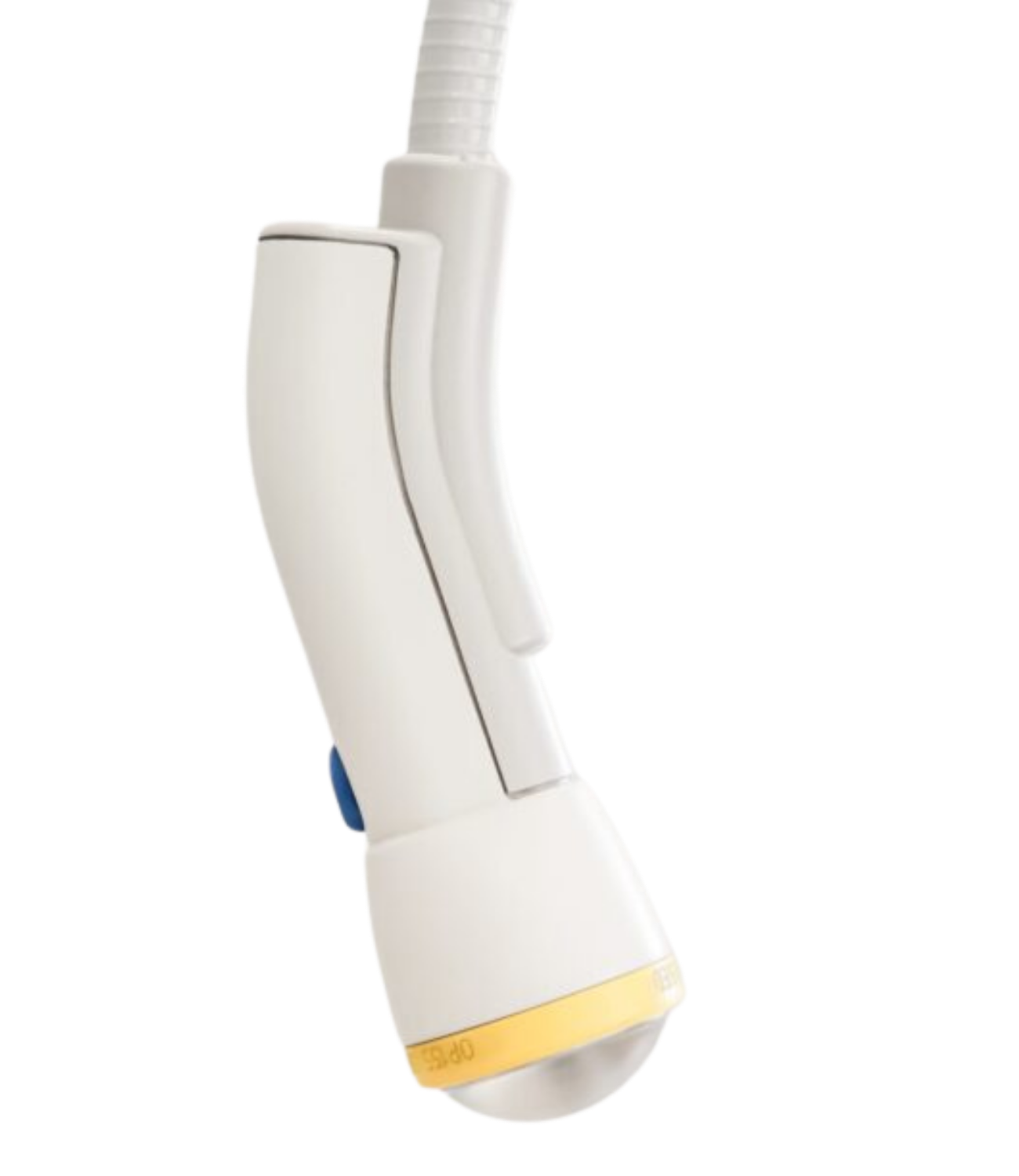
SoftWave Therapy is an FDA‑cleared, non‑invasive technology that uses broad‑focused shockwaves (sound waves) to jump‑start your body’s natural repair process at the cellular level. During a 5–10 minute session, the handheld SoftWave device is applied to the painful area along your shin, delivering high‑energy waves that:
- Increase local blood flow and circulation
- Reduce inflammation in the muscles and bone lining
- Stimulate stem cell activity and tissue regeneration
- Break up painful adhesions and micro‑scarring
Most patients describe treatment as brief and tolerable, with no anesthesia, no injections, no incisions, and no downtime after their visit. You walk in, get treated, and walk out.
Benefits of SoftWave Therapy for Shin Splints
Patients often choose SoftWave Therapy for shin splints because it:
- Is completely non-invasive (no injections, surgery, or anesthesia)
- Has no downtime—you can typically return to daily activities right away
- Provides fast-acting comfort with lasting results
- Is usually well-tolerated with minimal to no side effects
- Can reduce pain and stiffness while improving lower-leg mobility
For many patients, SoftWave allows them to get back to running, walking, and daily life more quickly than with traditional care alone.

Why Cincinnati Athletes Choose SoftWave for Shin Splints Relief
Compared to traditional care alone, SoftWave Therapy offers several key advantages for patients with shin splints:
- Non‑surgical and drug‑free: No opioids, injections, or invasive procedures.
- Faster healing: By promoting new blood vessel growth and tissue repair, SoftWave can speed recovery and shorten your time away from running and training.
- Targets the root cause: Addresses inflammation and micro‑damage at the muscle–bone interface instead of just numbing pain.
- Minimal disruption to training: Many runners can continue modified activity while they heal.
- Fewer side effects: Sessions are typically well tolerated with no significant adverse effects reported.
SoftWave Therapy is frequently used for other lower‑leg conditions too—like Achilles tendinitis, plantar fasciitis, and other sports injuries—which often coexist with shin splints.
Your Personalized Shin Splints Care Plan
When you schedule a shin splints evaluation at Simply Well Chiropractic, your visit will typically include:
Progress tracking
We monitor your pain levels, function, and activity tolerance over time to make sure you’re healing and moving toward your goals.
Detailed history and exam
We learn when your shin pain started, what makes it better or worse, and what your training or work looks like day to day.
Movement and gait assessment
We look at your feet, ankles, knees, hips, and spine to see how you move and where extra stress might be loading your shins.
Personalized treatment plan
If SoftWave Therapy is a good fit, we’ll explain how many sessions you may need and how we’ll integrate chiropractic care, exercises, and any needed footwear or activity modifications.
What to Expect at Your First SoftWave Visit
Patients are often surprised by how streamlined the process is.
- Consultation and exam
We review your history, training schedule, and prior treatments, then perform a lower‑leg and movement exam. - First SoftWave session
We apply the device to locate and treat the painful, damaged tissues along your shin. Most sessions take about 5–10 minutes. - Immediate feedback
Many patients notice decreased tenderness and improved comfort with walking shortly after treatment, though optimal results build over a series of sessions. - Plan your series
We outline a recommended number of SoftWave sessions, exercises, and follow‑up visits based on your activity level and goals.
How Long Does It Take to Feel Better?
Healing timelines vary, but most people notice meaningful improvement within a few SoftWave sessions when combined with appropriate rest and rehab. Traditional conservative care alone can require 2–6 weeks or more of activity restriction, especially if you keep loading the tibia the same way.
Key factors that influence recovery:
- How long you’ve had symptoms
- Whether there is underlying bone stress or a stress fracture
- Training volume, footwear, and surface changes
- Consistency with your exercise and loading plan
During your exam, we’ll give you a realistic timeline based on your specific case rather than a generic estimate.
Can SoftWave Help If I’ve Tried Everything Else?
If you’ve already tried rest, ice, compression, stretching, and changing shoes, but your shin splints keep coming back when you start running again, you may be a strong candidate for SoftWave Therapy.
SoftWave is often helpful for:
- Recurrent shin splints despite “doing all the right things”
- Runners who can’t afford months off from training
- Athletes preparing for a race or season who need faster, safer recovery
- Patients wanting to avoid injections or surgery if possible
If we don’t think SoftWave will help your specific situation, we’ll tell you honestly and help you find the right referral.s is so important.dictable downtime can be incredibly frustrating.
Shin Splints Relief in Cincinnati – Schedule Your SoftWave Consultation
You don’t have to choose between months off from running and living with daily shin pain. At Simply Well Chiropractic in Cincinnati, we offer a comprehensive, non‑surgical approach that blends advanced SoftWave Therapy with targeted rehab and movement‑based care.
If you’re ready to finally get lasting shin splints relief in Cincinnati, click below to schedule your SoftWave consultation or call our office to speak with our team today.

Preventing Shin Splints From Coming Back
Once your pain improves, prevention becomes the priority.
Evidence‑informed prevention strategies we coach our patients on include:
- Gradual training increases: Progress mileage and intensity slowly instead of making big jumps.
- Proper warm‑ups: Dynamic warm‑ups and calf/ankle prep before runs or practices.
- Strength work: Regular calf, foot, and hip strengthening to control load through the tibia.
- Smarter surfaces: Limiting long runs on concrete when possible.
- Shoe rotation: Using supportive, not overly worn‑out shoes and considering orthotics if needed.
Listening to early warning signs: Addressing shin soreness quickly before it becomes a full‑blown setback.
Frequently Asked Questions
Address
5721 Dragon Way #110, Cincinnati, OH 45227
info@simplywellchiro.com
Phone
(513) 271-1233

Written and medically reviewed by Dr. Faith Swartzendruber, DC
Ohio Chiropractic License: DC-05144 | Palmer College of Chiropractic
Founder, Simply Well Chiropractic, Cincinnati