
Hip Pain After Surgery in Cincinnati
Schedule your $49 Discovery Session today!
How Long Should Hip Pain Last After Surgery?
Some discomfort after a hip replacement or arthroscopic hip surgery is expected, especially in the first few weeks.
Typical recovery milestones described in orthopedic and hospital guidelines include:
- First 1–2 weeks: Pain is sharper and more noticeable, and you may rely on prescription pain medicine, ice, elevation, and a walker or cane.
- Weeks 3–6: Pain should steadily decrease, walking becomes easier, and many people transition to over‑the‑counter medications, ice, and home exercises.
- After 6–12 weeks: Most people see a major improvement in daily pain, with lingering stiffness or soreness that slowly gets better over time.
If you are months out from surgery and still struggling to walk, sleep, or get through the day because of hip pain, that is not something you should ignore—especially if it seems to be getting worse instead of better.
“Normal” Post‑Surgical Soreness vs. Red Flags
Many people worry about whether what they feel is normal. Use this as a general guide, then always lean on your surgeon when in doubt.
Often “normal” after hip surgery (but still worth mentioning at follow‑ups):
- Achy, sore muscles around the hip and thigh that improve with rest, ice, and your exercises.
- Mild swelling around the incision that slowly decreases week by week.
- Temporary stiffness, limping, or feeling weaker on the surgery side.
- A short‑term increase in soreness after physical therapy or a more active day.
Red flags that need urgent medical attention:
- Sudden, severe increase in pain, especially with fever, chills, or feeling very unwell (possible infection).
- New redness, warmth, drainage, or a foul smell at the incision site.
- Sudden inability to put weight on the leg, the hip feeling like it “popped” or shifted, or obvious deformity.
- Calf pain, swelling, or shortness of breath (possible blood clot).
If you notice any of these, contact your surgeon or go to the ER immediately. At Simply Well Chiropractic, we co‑manage post‑surgical cases with orthopedic surgeons and physical therapists throughout Cincinnati and will always prioritize your safety first.
Why Your Hip Can Still Hurt Months After Surgery
When an X‑ray looks good but your hip still hurts, the problem is often less about the implant and more about the tissues and movement patterns around it.
- Muscle and tendon overload
Hip flexors, glutes, IT band, and deep rotator muscles can become tight, weak, or overworked as you change how you walk and stand after surgery. This can create sharp, pulling, or aching pain in the front, side, or deep in the hip. - Scar tissue and joint stiffness
Protective guarding and limited motion in the early weeks can lead to scar tissue and stiffness that change how the hip moves and bears weight, creating a constant “pinching” or catching sensation. - Biomechanical changes and limping
Even a small limp or leg‑length change can force your pelvis, low back, knees, and ankles to compensate, sending extra stress back into the hip. - Referred pain from the low back or SI joint
Arthritis or disc issues in the lower spine and sacroiliac (SI) joint can send pain into the hip and groin, making it feel like a hip problem even when the source is higher up. - Inflamed bursae and tendons (bursitis / tendinitis)
The small fluid‑filled sacs (bursae) and tendons around the hip can stay irritated long after the joint itself is stable, leading to sharp pain with walking, lying on your side, or climbing stairs. - Less common but serious causes
Infections, implant loosening, or true mechanical problems with the joint can cause persistent or worsening pain and must be evaluated and managed by your surgeon.
At Simply Well Chiropractic, we assess the entire chain—from your low back and pelvis through your hip, knee, and foot—to identify which of these factors is actually driving your pain.


What You Can Do at Home for Hip Pain After Surgery
There are several evidence‑backed steps you can take at home to support healing and reduce pain, especially when combined with guidance from your surgeon, physical therapist, and conservative care team.
- Use ice and elevation strategically
Apply an ice or gel pack for 15–20 minutes at a time, with a barrier between your skin and the cold, then wait 90–120 minutes before re‑applying. Elevating your leg so your foot is higher than your heart helps reduce swelling and discomfort. - Move regularly—but don’t push through sharp pain
Short, frequent walks and your prescribed exercises help circulation, prevent stiffness, and build strength. However, sharp, stabbing pain or pain that lingers or worsens after every activity is a sign to scale back and get reassessed. - Follow your pain‑medication plan carefully
Many orthopedic protocols use a combination of prescription medications early on, then transition to anti‑inflammatory medications and other strategies over time. Take medications exactly as directed and talk with your provider about tapering off opioids as your pain allows. - Support your overall healing
Good sleep, adequate protein and hydration, and not smoking all positively affect tissue healing and your nervous system’s sensitivity to pain. Gentle relaxation, breathing, or mind‑body practices can also reduce the nervous system “alarm” that keeps pain amplified.
If you’ve done “everything right” and are still limited by pain, that is usually a sign you need more targeted, hands‑on support—not a sign you have failed.
How SoftWave Therapy Can Help Hip Pain After Surgery
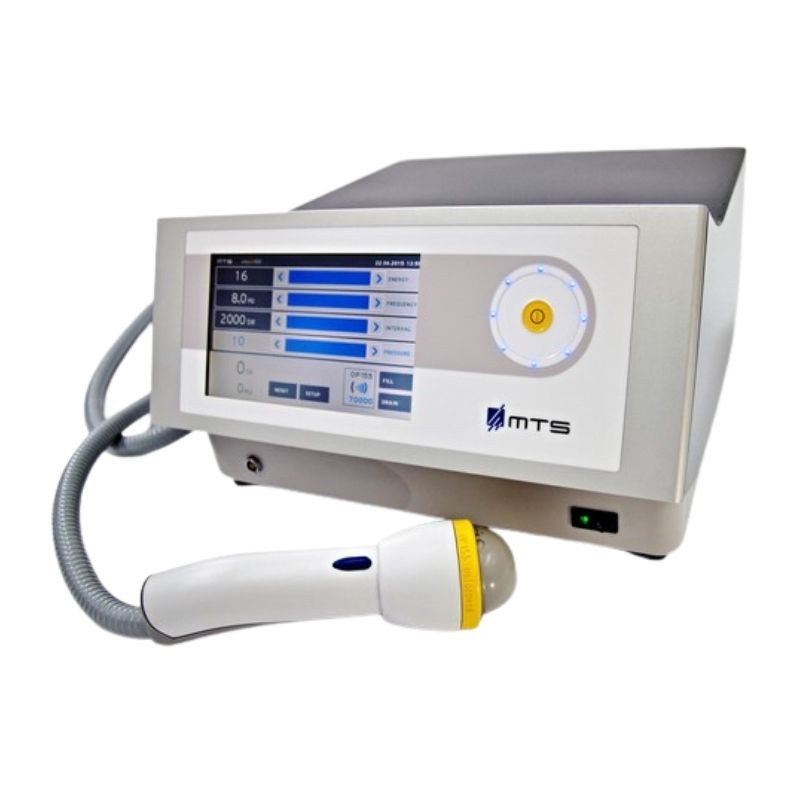
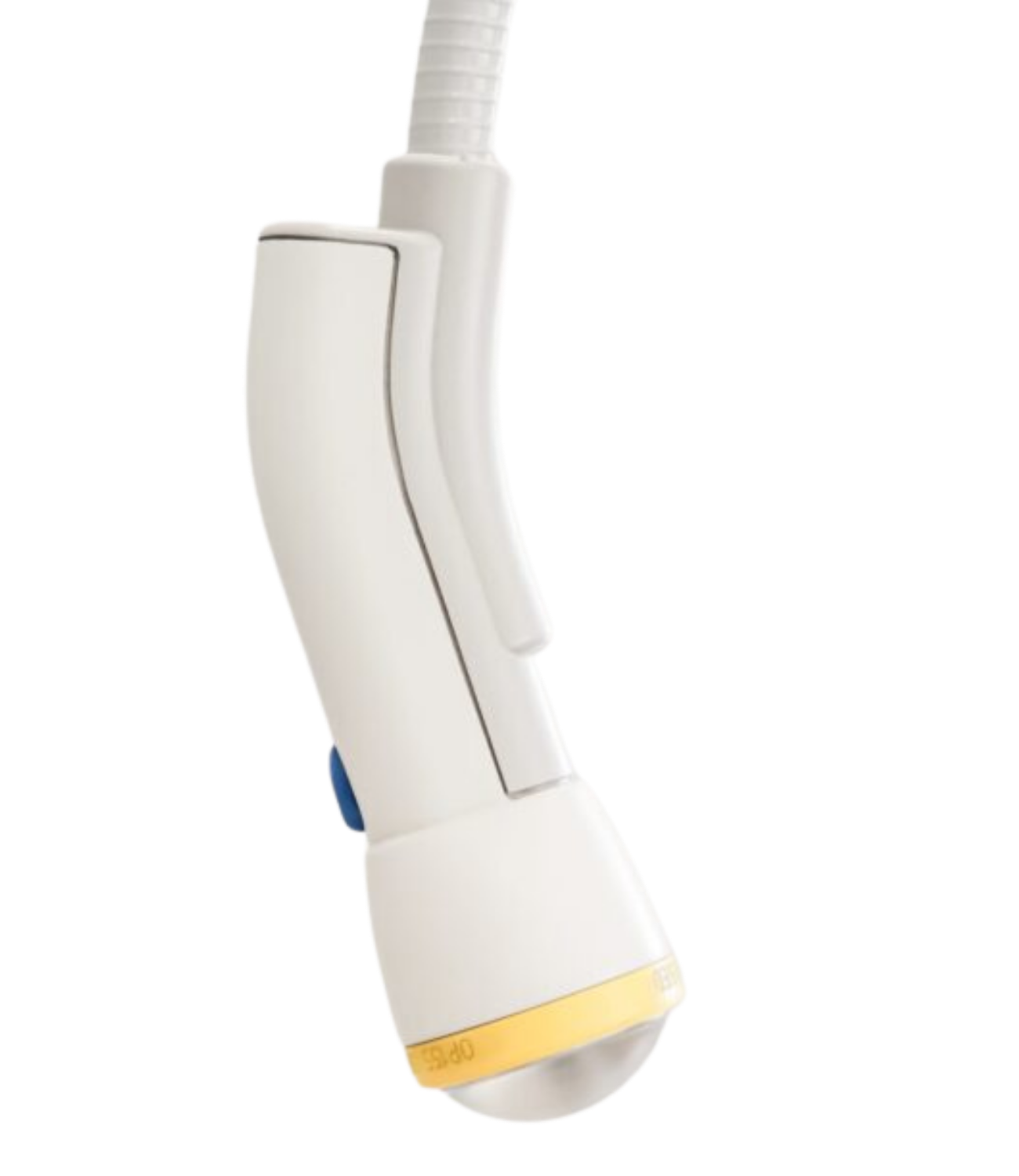
SoftWave Therapy is a form of advanced shockwave therapy that delivers short, high‑energy sound waves into injured or irritated tissues around the hip to stimulate your body’s own repair processes.
In post‑surgical hips, SoftWave allows us to target the tissues that most often keep people stuck:
- Hip flexors and groin structures that overwork when you limp or guard.
- Gluteal muscles and tendons on the side of the hip that stay tight, weak, and tender.
- The IT band and outer thigh that cause sharp pulling or burning with walking.
- Deep stabilizing muscles around the pelvis and SI joint that compensate for months.
Research on shockwave‑type therapies shows they can:
- Decrease chronic inflammation and pain in stubborn tendons and soft tissues.
- Stimulate local stem cells and promote formation of new blood vessels, improving circulation and tissue repair.
- Break up painful trigger points and adhesions that stretching and massage alone often cannot resolve.
For post‑surgical patients, key advantages include:
- Non‑surgical, non‑injection, drug‑free treatment done over the skin.
- No stress placed directly on the joint or implant.
- Fast, in‑office sessions that can fit around your physical therapy schedule.
Most of our patients notice a gradual reduction in pain, less “pinching” or catching, and better tolerance for rehab and daily activities over a series of treatments.
What Patients Often Notice
Patients with post‑surgical hip pain frequently report:
- Reduced pain with walking, standing, or getting up from a chair.
- Less “pinching,” catching, or sharp spots around the hip.
- Improved tolerance for rehab exercises and daily activity.
- A gradual return of strength and confidence in the operated leg.
Treatments are done in‑office, over the skin (no injections, no incisions), and are usually combined with specific exercises and gentle chiropractic or movement work so your body can fully take advantage of the improved tissue environment.

Why We Use SoftWave After Surgery
For someone who has already gone through the stress of hip surgery, the goal is to avoid another operation while getting the most out of the one they already had. At Simply Well Chiropractic and Cincinnati SoftWave Therapy, we use SoftWave as a way to:
- Address stubborn soft‑tissue pain that lingers after a “successful” surgery.
- Support your body’s natural healing in a targeted, non‑drug, non‑surgical way.
- Help you progress beyond the plateau many people hit after standard post‑op rehab.
This approach lets us support the surgical work that’s been done while actively working on the muscles, tendons, and movement patterns that are still holding your hip back.
Cincinnati’s trusted softwave provider
Dr. Faith Swartzendruber is a licensed chiropractor and SoftWave Therapy provider in Cincinnati, Ohio, who helps people relieve persistent hip pain following surgery. Her goal is to reduce discomfort, restore mobility, and support the body’s natural recovery process—without additional surgery or dependence on medication. Dr. Faith takes an evidence-informed, personalized approach, combining SoftWave Therapy with targeted chiropractic and rehabilitative care to promote proper healing, improved strength, and lasting hip function.
Dr. Faith earned her Doctor of Chiropractic degree from Palmer College of Chiropractic in 2022.
She holds Ohio chiropractic license (DC-05144).
Dr. Faith Swartzendruber, DC, integrates her SoftWave Therapy training and chiropractic license with her education background to deliver SoftWave treatments that are both clinically informed and patient-centered.
Dr. Faith has helped hundreds of Cincinnati patients overcome chronic pain with SoftWave Therapy and chiropractic care.
When To See Your Surgeon vs. When To See Us
| Situation | Who you should contact first |
|---|---|
| Sudden, severe pain increase with fever, chills, or feeling very unwell | Your surgeon or the ER immediately |
| New redness, warmth, or drainage from incision | Your surgeon immediately |
| Sudden inability to bear weight or sense of hip “giving out” | Your surgeon or ER |
| Calf pain, swelling, or shortness of breath | ER immediately (rule out blood clot) |
| Pain that is slowly improving week by week | Continue with your surgeon’s/therapist’s plan, add SoftWave Therapy to help tissue heal and reduce inflammation |
| Pain that lingers or worsens months after surgery, despite doing your exercises | Add conservative care like SoftWave and chiropractic in coordination with your surgeon |
Get Help For Hip Pain After Surgery In Cincinnati
If your hip is still hurting after surgery and you live in or around Cincinnati, you do not have to simply “wait it out” or assume more medication or another operation is your only option.
At Simply Well Chiropractic / Cincinnati SoftWave Therapy, we focus specifically on patients who:
- Are weeks to months out from hip surgery.
- Have been told their X‑rays look “fine,” but pain, limping, or stiffness still limit their life.
- Want a clear, conservative plan that respects what the surgeon has already done.
Your $49 Discovery Session includes:
- A detailed history and movement assessment focused on your post‑surgical hip.
- Screening to rule out red flags that should go back to your surgeon.
- A step‑by‑step plan outlining how SoftWave Therapy, chiropractic care, and targeted rehab could help you move forward.
Click “Schedule an Appointment” or call our office today to find out whether your hip is still hurting because it “failed” surgery—or because the tissues and movement patterns around it simply need better, more targeted support.
Address
5721 Dragon Way #110, Cincinnati, OH 45227
info@simplywellchiro.com
Phone
(513) 271-1233

Written and medically reviewed by Dr. Faith Swartzendruber, DC
Ohio Chiropractic License: DC-05144 | Palmer College of Chiropractic
Founder, Simply Well Chiropractic, Cincinnati