
Shoulder arthritis Relief in Cincinnati
$49 Discovery Session at Simply Well Chiropractic
Non-Invasive | FDA-Cleared
Shoulder arthritis can turn everyday movements—reaching into a cabinet, fastening a bra strap, lifting a grandchild—into sharp, grinding pain. If you’ve been told you have shoulder arthritis or “bone‑on‑bone” changes, you might feel stuck between living with pain, relying on pills, or scheduling a joint replacement. At Simply Well Chiropractic in Cincinnati, we focus on non‑surgical shoulder arthritis treatment that aims to relieve pain, restore movement, and help you stay active as long as possible without injections or surgery.

What Is Shoulder Arthritis?
Shoulder arthritis happens when the smooth cartilage that cushions your shoulder joint wears down, becomes rough, or disappears. This cartilage normally allows the ball of your upper arm bone to glide easily in the shoulder socket and where your collarbone meets your shoulder blade. As the cartilage thins, the space between the bones narrows and they can rub directly against each other, causing inflammation, stiffness, and the “grinding” or “catching” sensations many people describe.
There are two main joints where shoulder arthritis develops: the glenohumeral joint (ball‑and‑socket) and the acromioclavicular (AC) joint where your collarbone meets your shoulder blade. You may have arthritis in one or both, which is why pain can be felt deep in the shoulder, on top of the shoulder, or radiating down the upper arm.
Causes of Shoulder Arthritis
- Age‑related wear and tear, especially after 50
- Repetitive overhead work or sports (painting, construction, swimming, throwing sports)
- Prior shoulder dislocations, fractures, or surgeries
- Long‑standing rotator cuff tears
- Autoimmune or inflammatory diseases (such as rheumatoid arthritis)
- Genetic and lifestyle factors that affect joint health
These causes don’t always mean you’re destined for joint replacement; catching shoulder arthritis early and using targeted treatment can often slow progression and improve comfort.
Types of Shoulder Arthritis
Osteoarthritis (Wear-and-Tear Arthritis)
This is the most common type and usually develops slowly over years as everyday use, repetitive overhead activity, or prior injuries wear down the cartilage. As the joint space narrows and bone spurs form, pain, stiffness, and loss of motion increase.
Rheumatoid Arthritis and Inflammatory Arthritis
Autoimmune conditions like rheumatoid arthritis cause your immune system to attack the joint lining, leading to swelling, warmth, and joint damage that can involve both shoulders and other joints. Morning stiffness and fatigue are common.
Post-Traumatic Arthritis
Arthritis can develop years after a fracture, dislocation, or significant shoulder injury. Even when the injury “heals,” the joint surfaces may not be perfectly smooth, which accelerates wear.
Rotator Cuff Arthropathy
When a large rotator cuff tear is left untreated for a long time, the ball of the upper arm can ride higher in the socket, changing joint mechanics and leading to a specific pattern of arthritis with weakness and pain
Common Symptoms of Shoulder Arthritis
Shoulder arthritis symptoms can develop gradually and may be easy to dismiss at first. Over time, they tend to become more frequent and limiting. Common signs include:
- Deep, aching pain in the shoulder, often worsened by use
- Grinding, clicking, or “crunching” sensations (crepitus) during movement
- Stiffness, especially after rest, in the morning, or in cold weather
- Pain when reaching overhead, behind your back, or across your body
- Difficulty with basic tasks like getting dressed, combing your hair, or lifting objects
- Pain at night, especially when lying on the affected side
- Reduced range of motion—you can’t lift your arm as high as you used to
- Weakness or fatigue in the shoulder when using the arm for longer periods
If you recognize these symptoms—and especially if X-rays or imaging have confirmed “arthritis” or “degenerative changes”—you’re not alone. Shoulder arthritis is common, but with the right treatment, many people delay or avoid surgery and maintain a very good quality of life.
Non‑Surgical Shoulder Arthritis Treatment Options
Treatment depends on your symptoms, imaging findings, health history, and goals. Many people can significantly reduce pain and improve motion without jumping straight to injections or joint replacement. Common non‑surgical options include:
Where softwave therapy fits in:
SoftWave Therapy fits in when you’ve tried rest, basic exercises, or medications and your shoulder is still limiting your daily life, but you’re not ready—or not a candidate—for surgery. It sits between “wait and see” care and more invasive options like injections or joint replacement, giving you a way to actively address pain and stiffness without downtime or added joint damage.
At Simply Well Chiropractic, we often recommend SoftWave Therapy for people who want to relieve pain, improve shoulder mobility, and stay active while avoiding or delaying more aggressive procedures. It pairs especially well with targeted rehab and gentle chiropractic care, helping you get more out of your exercises and making everyday movements feel smoother and more comfortable.

How SoftWave Therapy Helps Shoulder Arthritis Pain and Stiffness
SoftWave Therapy is a non‑invasive, FDA‑cleared treatment that uses electrohydraulic acoustic waves to stimulate healing in and around arthritic joints. While no treatment can fully reverse advanced cartilage loss, SoftWave can change the environment of the joint so it moves more comfortably and hurts less.
What SoftWave Does in an Arthritic Shoulder
In an arthritic shoulder, SoftWave Therapy can help:
- Reduce inflammation: Acoustic waves help downregulate inflammatory processes in and around the joint, reducing pain and stiffness.
- Stimulate blood flow: New blood vessel formation (neovascularization) improves nutrient delivery and waste removal in tissues that often have poor circulation.
- Support tissue repair: SoftWave can encourage repair in the remaining cartilage and surrounding soft tissues (capsule, tendons, ligaments).
- Relax tight tissues: Capsular tightness and muscle guarding around an arthritic joint can be softened, increasing range of motion.
- Modulate pain signaling: Overactive pain pathways can be “reset,” so the shoulder stops overreacting to normal motion.
For many patients, that means:
- Less aching and grinding during daily tasks
- Better ability to reach, lift, and carry
- Fewer pain flares after activity
- More comfortable sleep and less night pain
– Freya
Cincinnati’s trusted softwave provider
Dr. Faith Swartzendruber is a licensed chiropractor and SoftWave Therapy provider in Cincinnati, Ohio, who helps people find relief from shoulder arthritis and joint stiffness. Her goal is to reduce inflammation, ease pain, and restore comfortable, natural movement—without surgery or long-term dependence on medication. Using an evidence-informed, personalized approach, Dr. Faith combines SoftWave Therapy with targeted chiropractic and rehabilitative care to support joint health, improve mobility, and promote lasting shoulder function and comfort.
Dr. Faith earned her Doctor of Chiropractic degree from Palmer College of Chiropractic in 2022.
She holds Ohio chiropractic license (DC-05144).
Dr. Faith Swartzendruber, DC, integrates her SoftWave Therapy training and chiropractic license with her education background to deliver SoftWave treatments that are both clinically informed and patient-centered.
Dr. Faith has helped hundreds of Cincinnati patients overcome chronic pain with SoftWave Therapy and chiropractic care.
Typical softwave Treatment Plan for Shoulder Arthritis
Because arthritis is a chronic condition, treatment focuses on managing and improving, not promising to “erase” every sign of degeneration. However, significant improvements in pain and function are realistic.
Mild to Moderate Shoulder Arthritis
- Sessions: Often 6–8
- Schedule: 2x per week initially, then 1x per week as symptoms improve
- Timeline: 4–6 weeks
- Ideal for: Early arthritis with intermittent pain, mild stiffness, and good baseline function
Moderate to Advanced Shoulder Arthritis
- Sessions: Often 8–12
- Schedule: 2x per week for several weeks, then taper
- Timeline: 6–10 weeks
- Ideal for: Established arthritis with daily pain, noticeable crepitus, and limited motion
Severe or “Bone-on-Bone” Arthritis
- Sessions: Highly individual, often 10–15 or periodic care
- Goal: Decrease pain, improve function enough to delay or reduce the need for surgery
- May incorporate: Ongoing maintenance visits if you respond well and want to avoid or delay joint replacement
Dr. Faith does not oversell treatment packages. She prefers a conservative starting plan, then adjusts based on how you respond. If you’re doing well after a certain number of sessions, you stop. If your shoulder arthritis needs more support, she’ll discuss options with you before recommending additional care.
What to Expect From Shoulder Arthritis Treatment at Simply Well Chiropractic
1
$49 Shoulder Arthritis Discovery Session
- Review of your health history, shoulder injuries, imaging, and prior treatments
- Discussion of your goals: avoiding surgery, improving sleep, returning to work, sports, or hobbies
- Focused exam of shoulder, neck, and upper back mechanics, including range of motion and strength testing
2
SoftWave Discovery Treatment
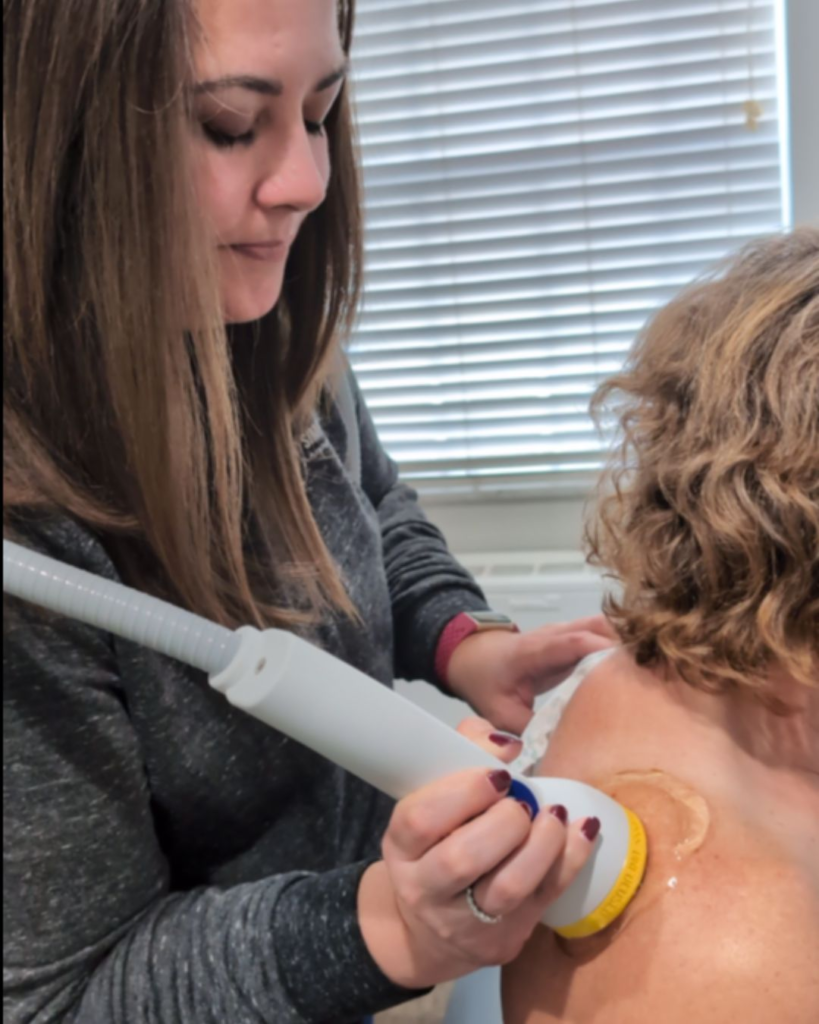
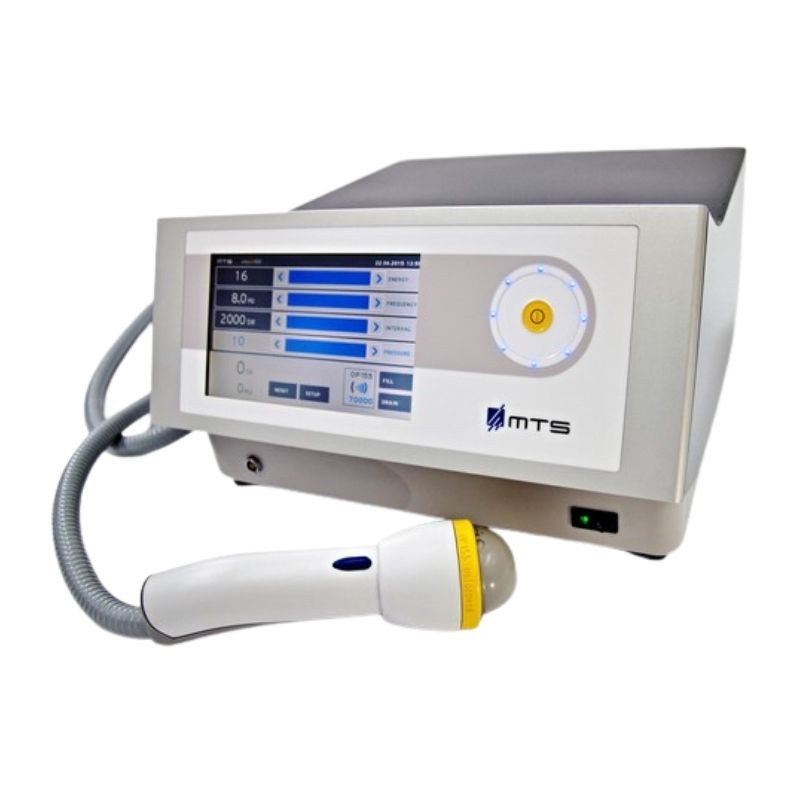
During this visit, Dr. Faith uses the SoftWave device to scan the shoulder and surrounding tissues. Most people feel little over healthy tissue and a quick, “rubber band snap” sensation over irritated or degenerative areas; this helps identify where treatment is most needed.
3
Personalized Treatment Plan
Based on your response and goals, Dr. Faith outlines a plan that may include:
- Posture, activity modification, and sleep positions that protect your shoulder
- SoftWave sessions
- Gentle chiropractic adjustments or mobilization to improve joint mechanics
- Simple, targeted exercises you can perform at home
How Quickly Will I See Results?
Some patients with shoulder arthritis notice a meaningful reduction in pain and stiffness within the first 3–4 sessions. For others, improvements build more gradually over several weeks as inflammation decreases and tissues respond to repeated SoftWave stimulation.
Typically:
- Weeks 1–2: Early changes—less “sharp” pain, a bit more comfortable range of motion, less stiffness after rest.
- Weeks 3–6: More consistent improvements—daily activities feel easier, sleep improves, and grinding pain with movement is reduced.
- Weeks 6–10+: Sustained improvements—better shoulder confidence, increased strength from exercise, and a noticeable difference compared to baseline.
Every shoulder is different. Age, severity of arthritis, overall health, how long you’ve had symptoms, and how consistently you work on posture and home exercises all influence your personal timeline. Some patients improve faster than expected; others need more time or a different combination of treatments.
SoftWave Therapy and conservative care can significantly improve shoulder arthritis for many patients, but no treatment works for everyone or completely reverses all structural changes. The treatment timelines and session ranges described on this page are typical patterns, not promises. Your age, overall health, joint damage severity, activity level, and how long you’ve had arthritis all influence how you respond.
Some patients experience dramatic pain reduction and functional improvement; others see more modest but still meaningful gains; a smaller group may not experience the level of improvement they hoped for. If your shoulder arthritis isn’t responding as expected within a reasonable timeframe, Dr. Faith will review your options with you, which may include adjusting the treatment plan, adding other therapies, or consulting with an orthopedic specialist about additional options, including injections or surgery if appropriate.
What Else Is Included in Shoulder Arthritis Care?
Gentle Chiropractic and Joint Mechanics
Where appropriate, gentle adjustments and mobilizations around the shoulder, neck, and upper back can improve alignment and mechanics, reducing abnormal stress on the arthritic joint. These are always tailored to your comfort and imaging findings.
Targeted Exercises and Posture
Strengthening the rotator cuff and scapular stabilizers, improving thoracic mobility, and correcting forward shoulder posture all reduce load on the joint. You’ll receive specific, realistic exercises you can actually do at home.
Lifestyle and Activity Modifications
You’ll learn simple changes—like how to modify lifting, workstation setup, sleep position, and hobbies—to reduce flare-ups and protect your shoulder long-term, rather than just treating symptoms.

Frequently Asked Questions About Shoulder Arthritis Treatment
Improve shoulder arthritis with softwave therapy today!
If shoulder arthritis pain is making it hard to dress, work, sleep, or stay active, you do not have to choose between “just living with it” and immediate surgery. At Simply Well Chiropractic, shoulder arthritis treatment in Cincinnati focuses on safe, non‑invasive options first—SoftWave Therapy, gentle chiropractic, and practical movement strategies—to relieve pain and restore as much motion as possible.
Address
5721 Dragon Way #110, Cincinnati, OH 45227
info@simplywellchiro.com
Phone
(513) 271-1233

Written and medically reviewed by Dr. Faith Swartzendruber, DC
Ohio Chiropractic License: DC-05144 | Palmer College of Chiropractic
Founder, Simply Well Chiropractic, Cincinnati